Focus on the manufacturing and export of functional sofas
-
 +86 18257273741
-
 [email protected]

 English
 Español
Liu Yiran — After-Sales Service Specialist
 Home / Author / Liu Yiran — After-Sales Service Specialist / Power Recliner Chair with Remote Control: Comfort, Engineering, Customization, and Manufacturing Strength
 Power Recliner Chair with Remote Control: Comfort, Engineering, Customization, and Manufacturing Strength
 2026.08.21
 Liu Yiran — After-Sales Service Specialist
Content
- 1 Introduction
- 2 Product Overview
- 3 Electric Reclining for Easier Everyday Use
- 4 Comfort Engineering and Body Support
- 5 Stable Frame and Structural Reliability
- 6 Soft Fabric Upholstery and Appearance
- 7 Manufacturing Capabilities and Production Strengths
- 8 Customization for International Buyers
- 9 Comparison with Alternative Seating Products
- 10 Space Planning and Installation Considerations
- 11 Care, Maintenance, and Long-Term Use
- 12 Export and Supply Chain Advantages
- 13 Why Manufacturers Matter to Product Performance
- 14 Buyer Evaluation Checklist
- 15 Frequently Asked Questions
- 15.1 What is the main function of this chair?
- 15.2 How far can the chair recline?
- 15.3 Is the chair operated manually?
- 15.4 What color is available?
- 15.5 What materials are used in the chair?
- 15.6 What is the weight capacity?
- 15.7 What are the assembled dimensions?
- 15.8 How should the upholstery be cleaned?
- 15.9 Can this chair be combined with other furniture?
- 15.10 Is the chair suitable for commercial projects?
- 15.11 What manufacturing resources support the product?
- 15.12 Which international markets does the company serve?
- 15.13 Why is the steel frame important?
- 15.14 What should buyers ask about before placing an order?
- 16 Conclusion
- 17 References
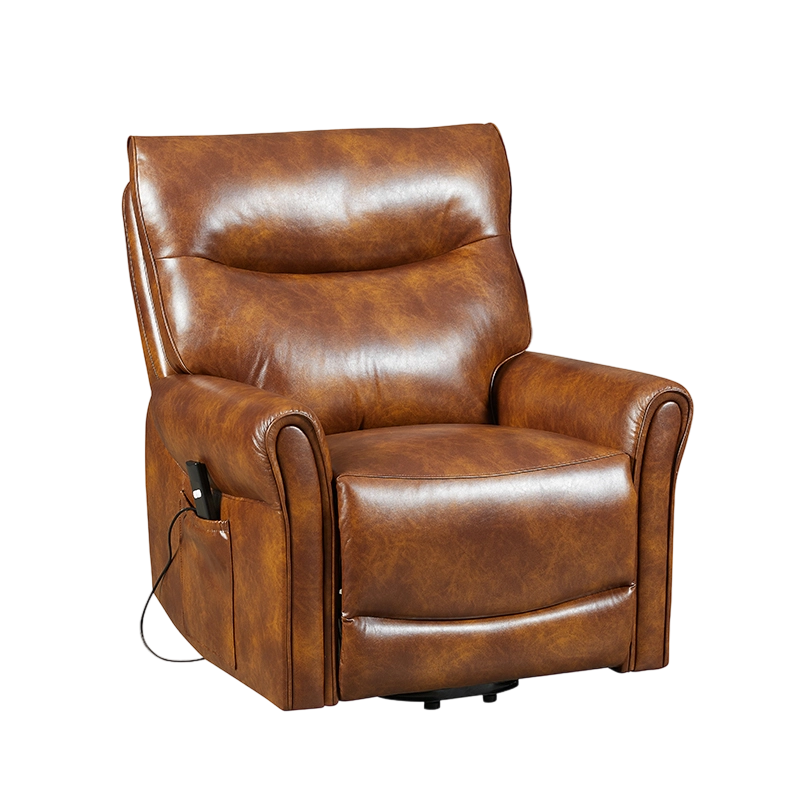
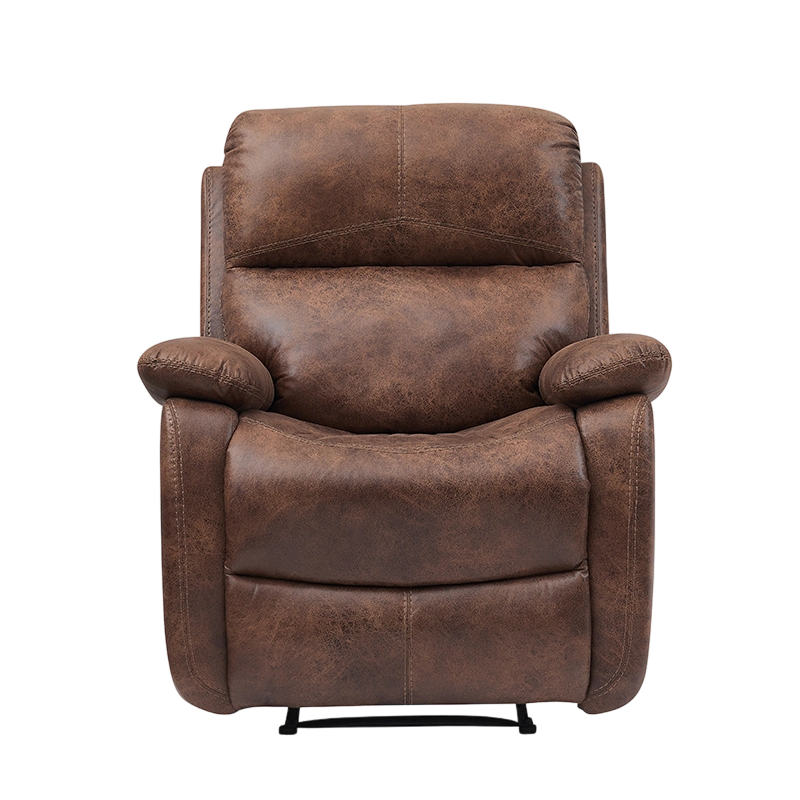
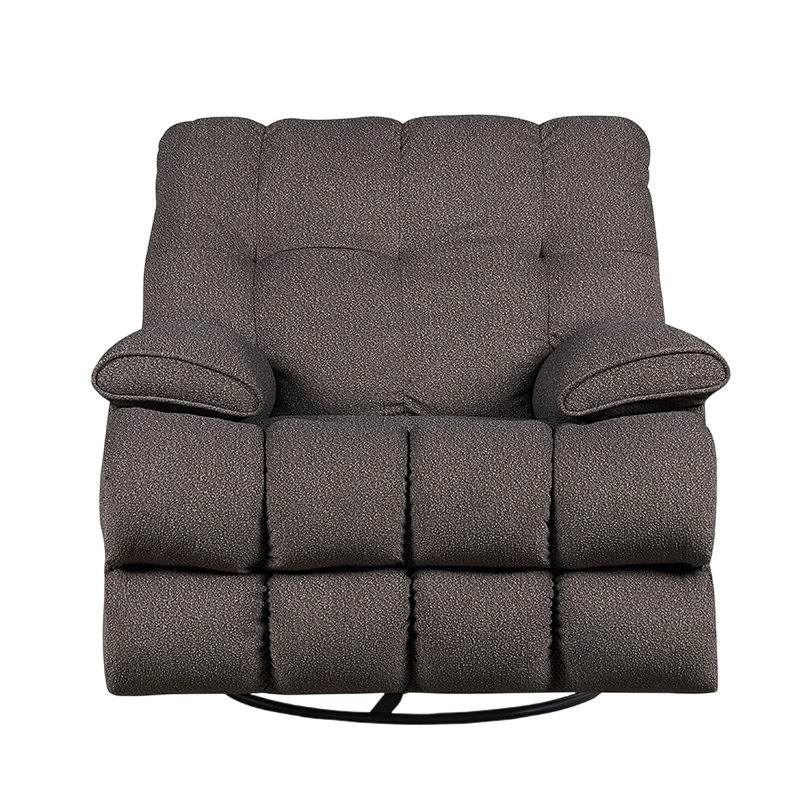
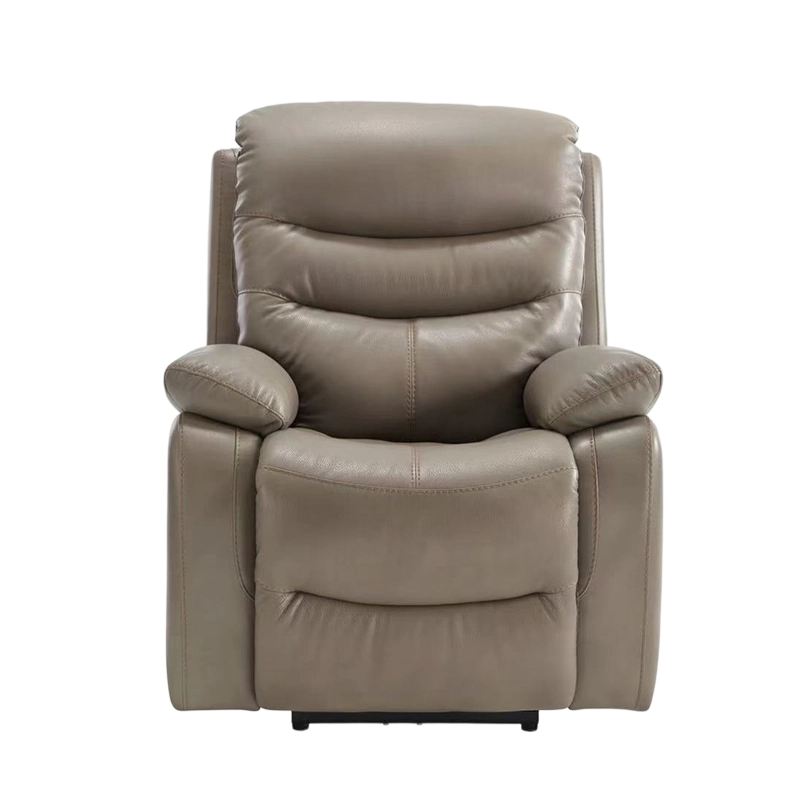
- 18 Product: Power Recliner Chair with Remote Control
Introduction
Modern living spaces increasingly demand furniture that combines comfort, practical functionality, attractive design, and dependable construction. A recliner is no longer viewed simply as an occasional chair. For many households, it is a daily-use product for reading, watching television, resting, working, recovering, or enjoying quiet personal time. The Power Recliner Chair with Remote Control is designed to meet these changing expectations through smooth electric adjustment, supportive cushioning, durable materials, and a stable structural system.
This electric recliner provides a convenient alternative to traditional manual recliners. Instead of requiring users to pull a lever, push against a footrest, or apply repeated physical force, the chair operates through a handy remote control. With a simple button press, the user can adjust the chair from an upright 90-degree sitting position to a deeply reclined position of approximately 150 degrees. This broad adjustment range supports several activities, including reading, watching television, resting, and taking a nap.
The chair is manufactured by Anji Xuanbo Household Co., Ltd., a professional furniture enterprise based in Anji County, Huzhou City, Zhejiang Province. The region is widely recognized as an important center of chair manufacturing. The company combines product development, industrial design, manufacturing, marketing, and technical service, allowing it to control many stages of the product life cycle. Its product portfolio includes functional sofas, fixed sofas, corner sofas, lounge chairs, recliner sofas, love seats, and leisure chairs.
Beyond the visible appearance of the recliner, its value is based on the relationship between its internal frame, motion system, cushioning, upholstery, dimensions, quality inspection, and customization capability. These elements work together to create a product suited to residential interiors, hospitality spaces, senior living environments, entertainment rooms, and other applications where comfortable seating and easy operation are important.
Power Recliner Chair with Remote Control
Product Overview
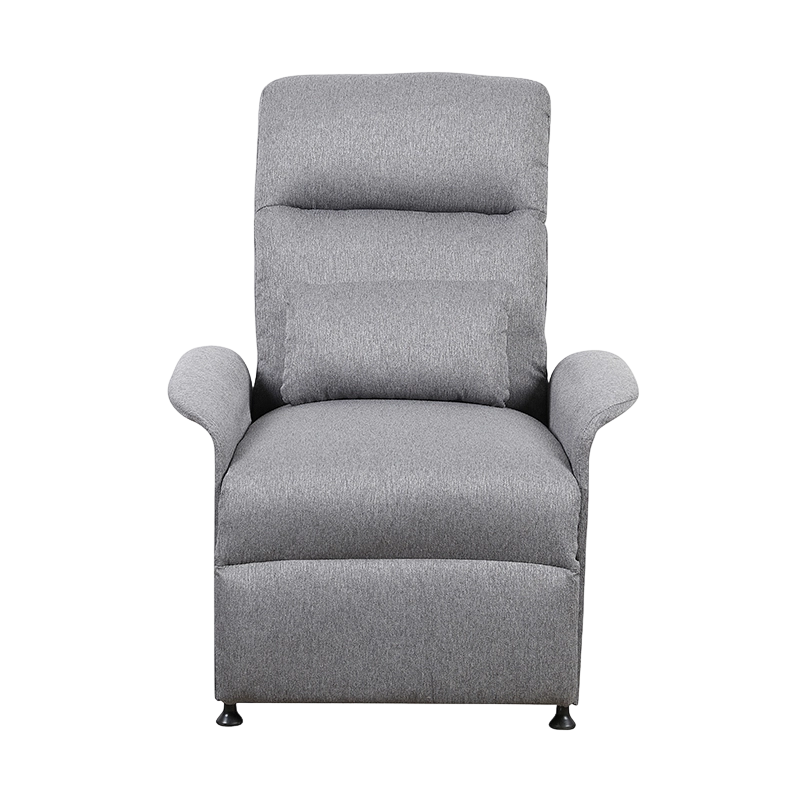
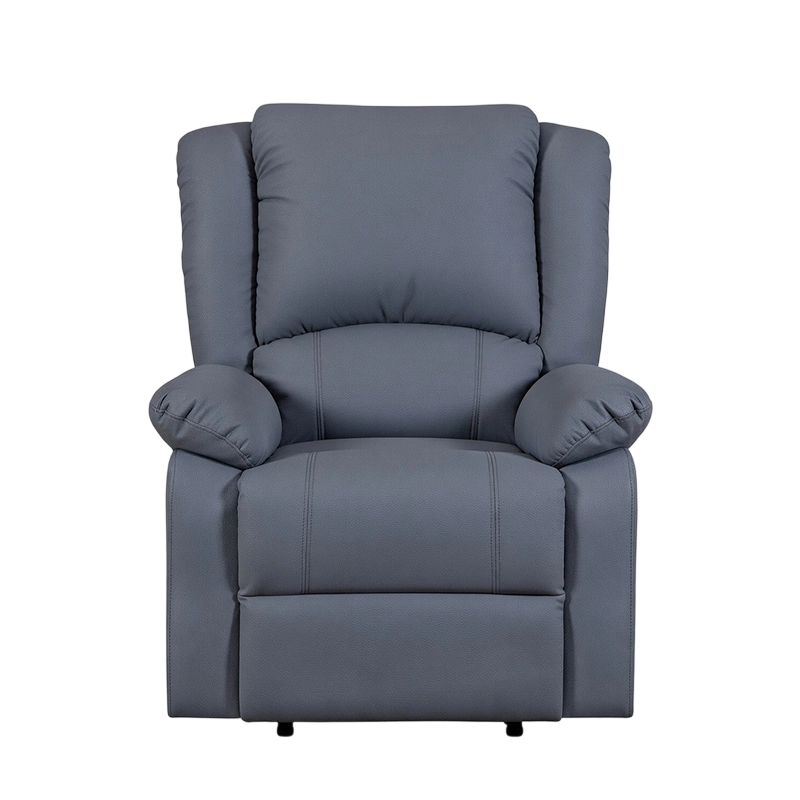
The Power Recliner Chair with Remote Control is a single-seat electric recliner designed for practical daily use. It features a dark blue upholstered finish as a standard color, while customized colors may be available for projects, distributors, retailers, and contract furniture buyers. Its overall appearance is modern and versatile, allowing it to complement contemporary living rooms, media rooms, bedrooms, private lounges, and relaxation areas.
The product has assembled dimensions of approximately 30.7 inches in length, 35 inches in width, and 39.4 inches in height. These proportions provide a supportive seating area while maintaining a relatively compact footprint compared with larger motion sofas or multi-seat recliner systems. The one-piece configuration also makes it easier to position as an independent accent chair or combine with other upholstered furniture.
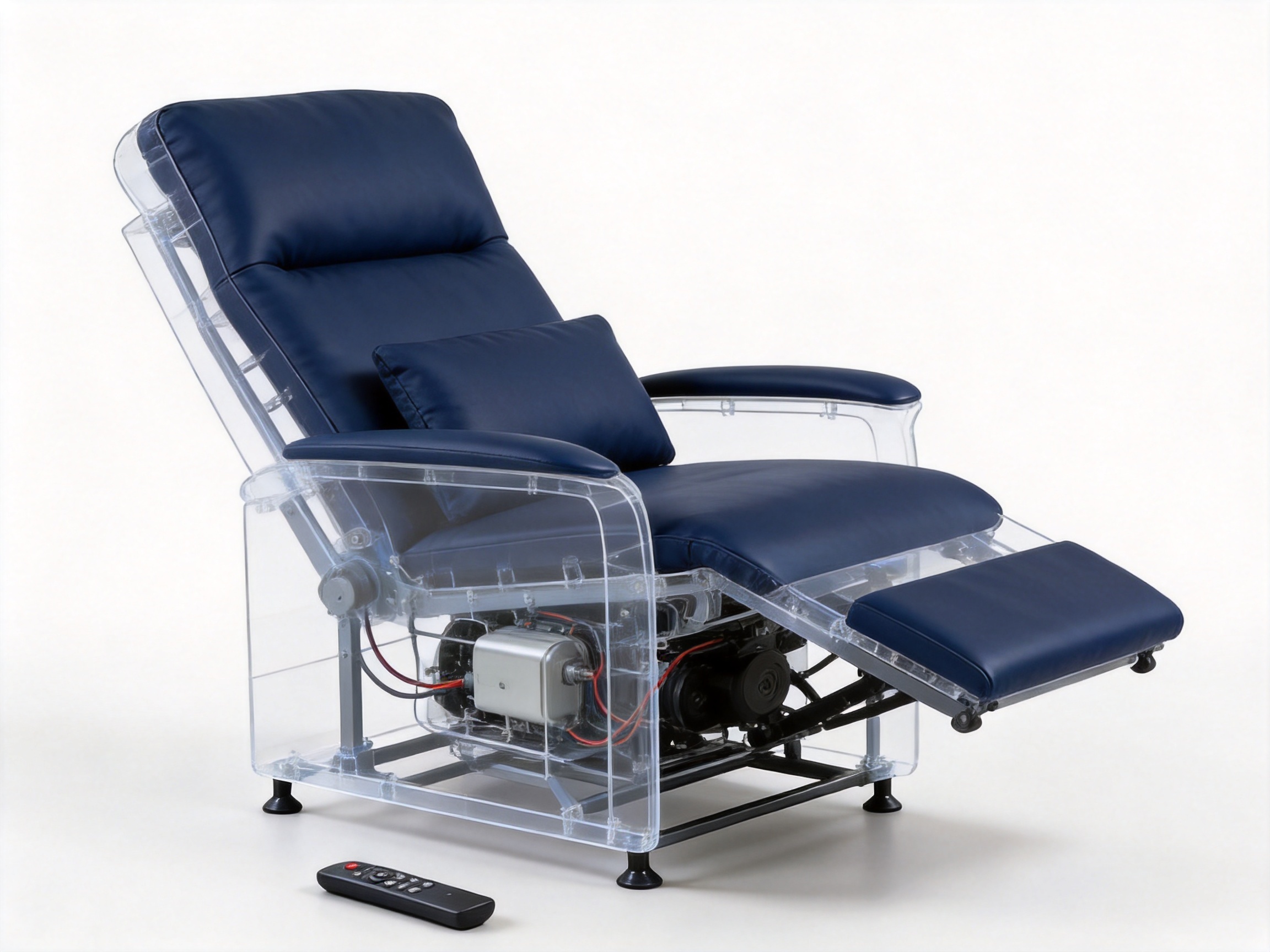
The chair is engineered around a strong steel frame. Steel provides a dependable foundation for the seat, back, armrests, and reclining mechanism. A stable structure is especially important in a power recliner because the frame must support the user not only while seated upright but also while the backrest and footrest move through different positions. The stated weight capacity is 330 pounds, offering a substantial support rating for regular residential use.
Inside the seating area, high-resilience foam and high-density sponge are used to create a balance between softness and support. The contoured back is shaped to follow the natural profile of the body, while the thick seat cushion helps distribute pressure across the seating surface. Cushioned armrests provide additional support for the elbows and forearms and contribute to the chair’s overall sense of comfort.
The upholstery uses premium soft fabric. Fabric furniture can create a warmer and more inviting appearance than many synthetic or hard-surface alternatives. It also offers design flexibility because upholstery colors and textures can be adapted to different interior schemes. Proper care is important: the supplied care guidance recommends cleaning with dry-cleaning solvent only, avoiding saturation with water, and brushing pile fabrics when necessary to restore their appearance.
Key Product Specifications
| Specification | Details |
|---|---|
| Product type | Electric power recliner chair |
| Included quantity | One recliner chair |
| Control method | Handheld remote control |
| Approximate reclining range | 90 degrees upright to 150 degrees reclined |
| Standard color | Dark blue |
| Customization | Color customization available according to project requirements |
| Frame | Strong steel frame |
| Seat and back filling | High-density sponge and high-resilience foam |
| Armrests | Cushioned armrest design |
| Weight capacity | 330 pounds |
| Assembled length | 30.7 inches |
| Assembled width | 35 inches |
| Assembled height | 39.4 inches |
Electric Reclining for Easier Everyday Use
The most visible advantage of this product is its power reclining function. Manual recliners can require a user to push with the legs, lean back forcefully, or pull a mechanical handle. Although manual mechanisms can be suitable for some users, they may be difficult for older adults, people with limited strength, or anyone who wants effortless adjustment. The electric system removes much of this physical effort by allowing the user to operate the chair through a remote control.
The remote control is designed for straightforward operation. A button press activates the motion system, allowing the chair to move gradually and quietly. This type of control is useful when the user wants to make small adjustments rather than move immediately to a single fixed position. For example, the chair can be set to a slightly open angle for reading, a more relaxed angle for television viewing, or a deeper position for resting.
A smooth movement profile contributes to both comfort and perceived quality. Sudden movement can be distracting or uncomfortable, especially when the chair is used frequently. Quiet operation is also valuable in shared spaces. A user can adjust the chair during a movie, while another person is sleeping nearby, or during a quiet evening without creating the mechanical noise associated with some older manual or electric seating products.
The movement range from approximately 90 degrees to 150 degrees gives the chair practical versatility. At around 90 degrees, the user can sit upright for conversation, reading, or using a mobile device. At an intermediate position, the chair can support relaxed television viewing. Near the fully reclined position, the chair provides a more horizontal posture for resting and short naps.
Advantages Compared with Conventional Manual Recliners
A traditional manual recliner depends on a mechanical lever, latch, spring, or body-weight movement. These systems may be familiar, but they can require more effort and may not offer the same level of gradual positioning. The electric recliner provides a more accessible alternative by replacing forceful manual adjustment with controlled motorized movement.
Another advantage is consistency. A power mechanism can move in a repeatable way each time the user adjusts the chair. This predictability is beneficial for households with multiple users because each person can easily find a preferred position without learning a complicated mechanical technique.
The remote control also places the operating function within reach. Users do not need to lean forward, reach beside the chair, or search for a hidden lever. This is particularly convenient when the chair is positioned close to a wall, side table, media console, or another piece of furniture.
Compared with larger motion furniture, a single power recliner can offer focused personal comfort without requiring the floor space of a full sofa. It can be used as a standalone chair or placed beside a sofa to create a coordinated seating arrangement. For retailers, this makes the product suitable for customers who want motion functionality but do not need a complete reclining suite.
Comfort Engineering and Body Support
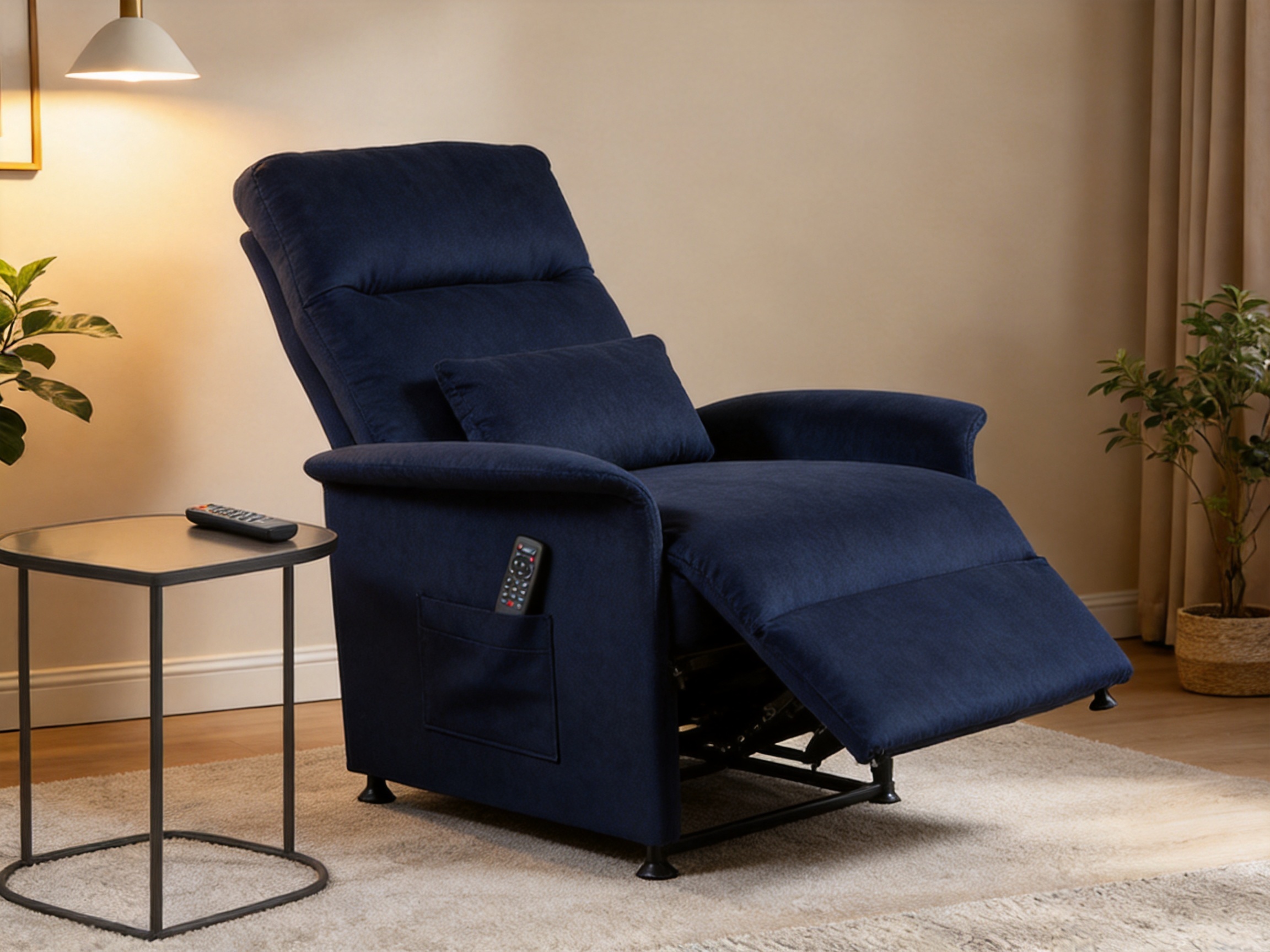
Comfort is created by more than soft upholstery. A successful recliner must manage the relationship between the seat, backrest, armrests, foam density, frame stability, and reclining angle. The Power Recliner Chair with Remote Control applies several design features to address these needs.
High-Density Sponge
High-density sponge helps the seat retain its shape during repeated use. Low-quality or insufficiently supported filling may flatten quickly, creating uneven pressure points and reducing the visual quality of the chair. A higher-density material can provide better resistance to compression while maintaining a comfortable surface feel.
For a recliner intended for frequent use, cushion resilience is especially important. The user’s posture changes as the chair moves from upright to reclined. The cushion therefore needs to remain supportive across multiple positions rather than feeling comfortable only when the chair is upright.
High-Resilience Foam
High-resilience foam is used in the thick seat cushion and contributes to a supportive yet comfortable sitting experience. Its recovery properties help the cushion return toward its original shape after the user stands up. This supports a more consistent appearance and reduces the risk of premature sagging when the chair is used regularly.
The combination of high-density sponge and high-resilience foam allows manufacturers to balance firmness and softness. A surface that is too firm may feel rigid, while an overly soft cushion may provide inadequate support. The objective is to create a seat that feels welcoming when first used and remains supportive during longer periods of sitting.
Contoured Backrest
The contoured back is shaped to provide a more natural relationship between the chair and the user’s upper body. A contoured profile can help support the back while reducing the flat, unsupported feeling found in basic straight-back seating. As the recliner opens, the backrest works with the seat to provide a more relaxed posture.
Back support is important for different activities. Reading generally requires a more upright orientation, while watching a film may be more comfortable at a moderate recline. Resting and napping may call for a deeper angle. The adjustable back allows the user to adapt the chair to the activity rather than adapting the body to one fixed seating position.
Cushioned Armrests
The cushioned armrests contribute to comfort and stability. They provide a place to rest the arms, help the user settle into the chair, and support the body during changes in position. Armrest padding also softens the visual appearance of the chair and gives it a more substantial upholstered character.
For people who spend extended periods in a recliner, armrest comfort can be as important as seat comfort. Hard or narrow armrests may create pressure around the elbows, while adequately cushioned armrests support a relaxed posture. The design of this chair makes the armrests part of the overall comfort system rather than treating them as purely decorative components.
Stable Frame and Structural Reliability
A recliner’s comfort is closely connected to its structural stability. The chair must remain steady when the user sits down, shifts position, reclines, returns upright, or rises from the seat. The strong steel frame provides a dependable foundation for these activities.
Steel is widely used in furniture structures because it offers strength and resistance to deformation. In a motion chair, the frame also serves as a platform for the reclining mechanism and helps distribute loads across the base. A stable frame can reduce unwanted movement and contribute to a more secure user experience.
The frame is complemented by a stable rack structure. This structural approach helps maintain the relationship between the chair’s major components. When the rack, base, seat, back, and armrests work together properly, the chair can feel solid in both the upright and reclined positions.
The stated 330-pound weight capacity demonstrates that the product is designed for meaningful everyday support rather than occasional decorative use. Buyers should always observe correct installation, placement, and usage instructions. The chair should be positioned on a suitable level floor, and the reclining area should remain clear of obstacles.
Why Frame Stability Matters in a Power Recliner
In a fixed chair, the structure mainly supports static seating loads. In a power recliner, the frame must also accommodate movement. The forces produced during recline and return are transferred through the mechanism and supporting structure. If the frame lacks sufficient rigidity, the chair may feel unstable or develop unwanted movement over time.
A stable structure also supports the upholstery and internal padding. When the frame remains aligned, the seat and back cushions can maintain their intended position more effectively. This helps preserve both the comfort and appearance of the chair during repeated operation.
From a manufacturing perspective, structural stability depends on material selection, component accuracy, assembly methods, and inspection. These areas are especially important for a furniture producer serving international markets, where buyers may require consistent quality across large quantities of products.
Soft Fabric Upholstery and Appearance
The dark blue fabric finish gives the chair a distinctive yet adaptable appearance. Dark blue can add visual depth to a living room while remaining easier to coordinate with neutral walls, wood flooring, gray sofas, cream carpets, and metallic accents. It can also create a calm atmosphere in bedrooms, reading areas, or private lounges.
Premium soft fabric contributes to the tactile experience. Users interact directly with the upholstery, so the surface should feel comfortable against the arms, back, and legs. Fabric also allows the chair to appear warmer and less mechanical than some leather-like motion furniture.
Color customization expands the product’s commercial potential. Residential customers may prefer beige, gray, brown, green, or other tones that match an existing interior. Hospitality and project buyers may require a specific color palette for a hotel, cinema room, senior living facility, showroom, or furniture collection. The ability to discuss customized colors with the manufacturer can help buyers create a more consistent product range.
Upholstery selection should always consider the intended environment. A display showroom may prioritize visual richness, while a hospitality project may focus on cleaning requirements and long-term appearance. The manufacturer can help buyers evaluate suitable fabric options, color consistency, order quantities, and production requirements.
Fabric Care Requirements
The supplied care instructions recommend cleaning the fabric with dry-cleaning solvent only. The upholstery should not be saturated with water, as excessive moisture can affect the fabric, padding, structure, or internal components. Users should follow the care instructions provided with the final product and test any approved cleaning method in an inconspicuous area when appropriate.
Pile fabrics may require gentle brushing to restore their appearance. Regular light maintenance can help keep the surface looking even and attractive. Users should also avoid sharp objects, excessive friction, harsh chemicals, and unnecessary pressure on the fabric.
For commercial buyers, establishing a care routine before installation can protect the furniture investment. Staff should understand the recommended cleaning process, and the chairs should be placed in environments where they can be used as intended. Proper care supports longer-lasting appearance and helps preserve customer satisfaction.
Manufacturing Capabilities and Production Strengths
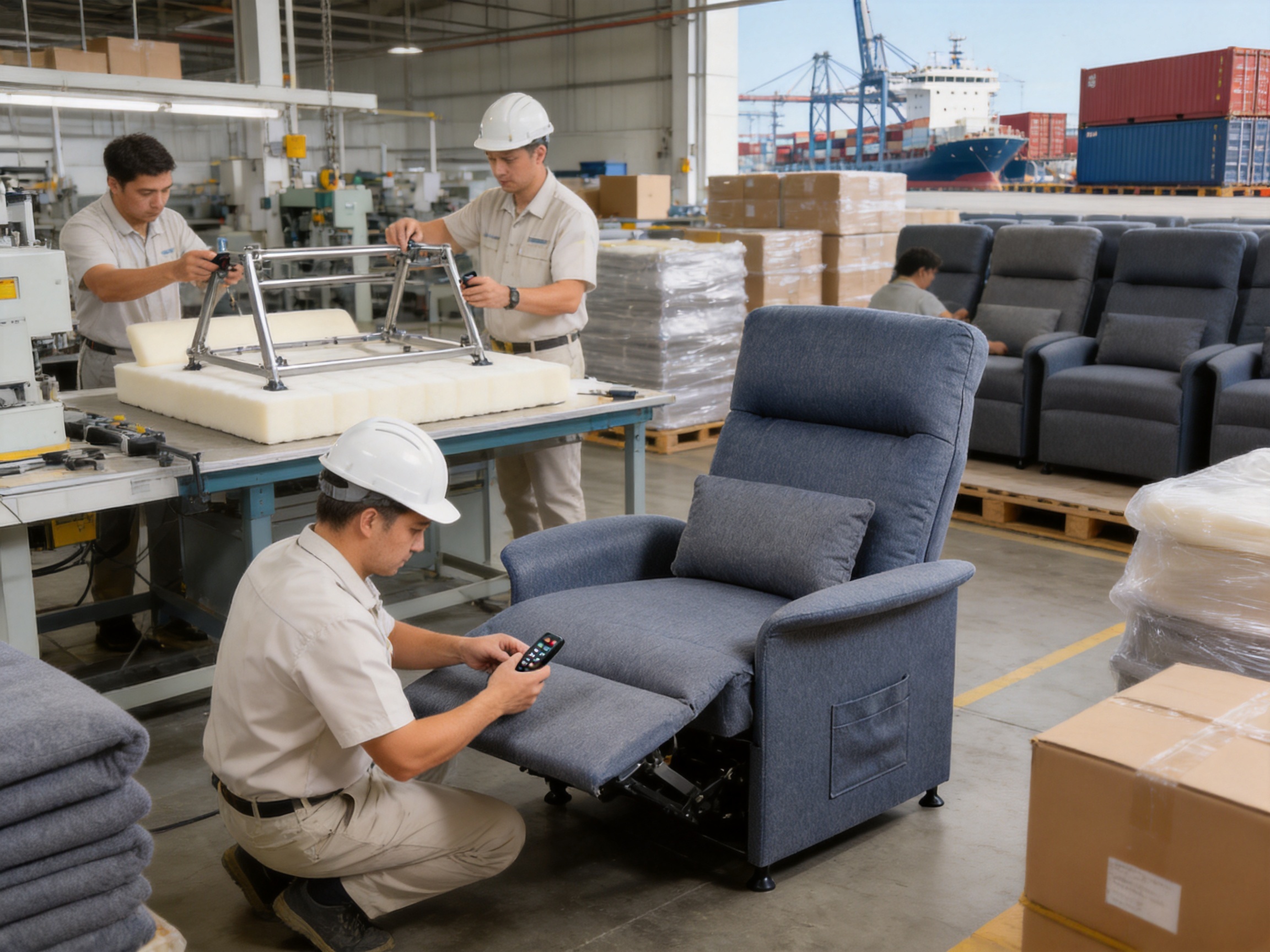
The manufacturer behind this electric recliner was established in 2021 and operates in Anji County, Huzhou City, Zhejiang Province. The company’s location in a major chair-producing area provides access to industry knowledge, furniture supply chains, skilled labor, production resources, and export infrastructure.
The factory covers approximately 8,000 square meters and employs more than 100 people. This scale gives the company the ability to support product development and manufacturing while maintaining a professional organizational structure. The company’s activities include research and development, industrial design, large-scale manufacturing, independent marketing, and technical services.
A key strength is the company’s integrated approach to production. It operates its own wooden frame factory and sponge processing plant, which helps provide greater control over materials, manufacturing coordination, cost management, and capacity planning. Although the featured chair uses a strong steel frame, the broader internal production system supports the company’s wider range of sofas and chairs, including products that use wooden structural components.
Control over important upstream processes can reduce dependence on external suppliers. It may also improve communication between design and production teams. When a product requires a change in dimensions, cushioning, upholstery, or structure, integrated manufacturing resources can make it easier to evaluate the change and coordinate implementation.
Research and Development
Furniture development begins before the first production unit is assembled. Product teams must consider user needs, proportions, comfort, materials, mechanism integration, appearance, packaging, transport, and target-market expectations. The company’s research and development capabilities support this process by combining practical manufacturing knowledge with product design.
For a power recliner, development work may include evaluating the seating posture, the movement range, the position of the remote control, the strength of the frame, the relationship between the motorized system and upholstery, and the overall user experience. Each feature must work with the others. A comfortable cushion is not enough if the chair moves awkwardly, and a powerful mechanism is not enough if the structure feels unstable.
Industrial design also plays an important role. The chair needs to function properly while maintaining a clean, attractive exterior. Upholstery lines, armrest proportions, backrest shape, and base details influence how the product fits within a room. Good design balances visual appeal with manufacturing practicality and packaging efficiency.
Material and Component Coordination
Material coordination is an essential part of furniture manufacturing. The steel frame, foam, sponge, fabric, wiring, remote control, reclining mechanism, and other components must be compatible. Each part affects the product’s overall performance, weight, cost, and appearance.
The use of a strong steel frame provides structural support, while the foam and sponge create comfort. Fabric provides the external finish, and the electric mechanism provides adjustability. When these components are selected and assembled as a coordinated system, the final product can deliver a more consistent experience than furniture developed through disconnected sourcing.
Integrated coordination is also helpful for customization. Buyers may request a different color, revised dimensions, alternative upholstery, or a broader product collection. The manufacturer can assess how the requested change affects production planning, material availability, lead times, packaging, and quality inspection.
Quality Inspection
Strict multi-stage quality inspection is one of the company’s stated manufacturing advantages. Quality control in upholstered motion furniture should cover more than the final visual appearance. It should also examine structural alignment, upholstery quality, cushion installation, mechanism operation, electrical connections, remote-control response, and packaging condition.
Inspection may take place at different stages of production. Incoming materials can be checked before entering manufacturing. Frame and component assembly can be reviewed during production. Upholstery can be evaluated for stitching, surface consistency, and visible defects. Finished chairs can be tested for movement and stability before packing.
Multi-stage inspection helps identify problems earlier, when they are easier to correct. It also supports more consistent production across batches. For international buyers, this consistency is important because the product may be distributed across different regions and sold under demanding retail or project conditions.
Quality control is not limited to preventing defects. It also protects the manufacturer’s reputation and supports long-term cooperation with buyers. When furniture performs consistently, distributors can reduce customer complaints, retailers can protect their brand image, and project buyers can manage installation and after-sales service more effectively.
Customization for International Buyers
The chair is offered in dark blue and can be customized in color. This flexibility is valuable for importers, furniture wholesalers, retailers, hospitality companies, interior designers, and project contractors. A standard product can provide an efficient starting point, while customized upholstery allows the product to fit a specific market or design concept.
Customization discussions may include fabric color, material selection, surface texture, labeling, packaging, product combinations, and order quantities. Buyers should communicate their requirements clearly during the quotation and sampling stages. It is useful to confirm color references, acceptable variation, testing requirements, packaging expectations, and delivery schedules in writing.
For a furniture collection, the recliner can be coordinated with fixed sofas, corner sofas, love seats, leisure chairs, and other products. A matching or complementary upholstery program can create a unified room setting. Retailers may display the chair beside a sofa, while hospitality buyers may combine individual recliners with larger seating arrangements.
Customization is most successful when it considers the entire production process. A new fabric may require different cutting or sewing methods. A new color may have a minimum order quantity. A revised dimension may influence the mechanism, foam, carton, or shipping volume. The manufacturer’s experience in product development and manufacturing allows these factors to be reviewed before production begins.
Suitable Applications
The chair is suitable for homes, apartments, media rooms, bedrooms, reading corners, private offices, lounge areas, and family rooms. Its independent format makes it useful where a customer wants one dedicated comfort seat rather than a large reclining sofa.
It may also be considered for commercial applications such as hotel suites, private clubs, entertainment rooms, senior living spaces, residential developments, and furniture rental programs. Commercial buyers should evaluate the expected usage frequency, fabric requirements, local electrical standards, maintenance arrangements, and installation conditions before placing an order.
For retail environments, the remote control and visible motion function create a strong demonstration experience. Customers can sit in the chair, test the adjustment range, and compare the product with manual alternatives. The dark blue upholstery provides a clear showroom presence, while the compact dimensions make it easier to arrange with other furniture.
Comparison with Alternative Seating Products
Consumers often compare power recliners with fixed lounge chairs, manual recliners, reclining sofas, and larger motion furniture. Each category has a different purpose. The featured chair is particularly strong when the buyer wants personal adjustability, straightforward operation, and a relatively compact footprint.
| Furniture Type | Typical Strength | Potential Limitation | Advantage of the Power Recliner Chair |
|---|---|---|---|
| Fixed lounge chair | Simple construction and stable appearance | Limited adjustment | Offers multiple sitting and reclining positions |
| Manual recliner | Does not require an electrical connection | May require physical effort to operate | Uses remote-controlled movement with less effort |
| Reclining sofa | Provides seating for several people | Requires more floor space and higher investment | Provides individual comfort in a compact one-seat format |
| Basic electric chair | Motorized adjustment | May lack strong cushioning or structural support | Combines electric movement with steel framing and supportive foam |
| Oversized motion chair | Large seating area | Can dominate smaller rooms | Offers a more manageable footprint for many interiors |
The product’s main competitive advantage is the balance of functionality and practicality. It is not merely an upholstered chair, because it provides motorized adjustment. It is also not an oversized motion unit that requires a large room. The combination of remote control, smooth movement, steel structure, supportive filling, soft fabric, and compact dimensions gives buyers a well-rounded option.
Space Planning and Installation Considerations
Before installation, buyers should measure the available room and consider the chair’s assembled dimensions. At approximately 30.7 inches long, 35 inches wide, and 39.4 inches high, the chair can fit into many residential and commercial seating layouts. However, the recline movement requires clear space in front of and behind the chair according to the final installation instructions.
The chair should not be placed where the footrest or backrest can strike a wall, table, cabinet, heating appliance, or another chair. Electrical connections should be positioned safely and should not create a tripping hazard. Cables should be kept away from moving parts and protected from sharp edges or crushing pressure.
On showroom floors, the chair should be positioned so that customers can safely test the reclining function. A clear demonstration area helps visitors understand the product’s motion range and remote-control operation. Retailers may also display a specification card explaining the material, weight capacity, dimensions, and care instructions.
For project installations, buyers should consider access through doors, elevators, corridors, staircases, and loading areas. Packaging dimensions may differ from assembled dimensions. Advance planning can reduce installation delays and help determine whether multiple chairs can be delivered and positioned efficiently.
Care, Maintenance, and Long-Term Use
Proper maintenance helps preserve the chair’s appearance and performance. Users should follow the fabric care instructions and avoid saturating the upholstery with water. Dust and loose particles can be removed using a suitable gentle method that does not damage the surface. Pile fabrics may benefit from careful brushing when the surface becomes compressed or uneven.
The remote control should be kept in a convenient but protected location. Avoid dropping it, exposing it to liquids, or placing heavy objects on it. Users should operate the chair only through the intended control method and should not force the backrest or footrest manually while the motorized system is active.
The area around the moving components should remain clear. Small objects, blankets, cables, toys, and other items should not become trapped beneath the footrest or between moving sections. Regularly checking the visible structure and electrical connections can help identify unusual noise, looseness, or damage at an early stage.
Furniture used in commercial settings may require a more structured maintenance schedule. Operators can record cleaning, inspection, and service activities. Any unusual movement, repeated stopping, electrical smell, exposed wiring, or structural damage should be addressed promptly by qualified personnel or through the supplier’s service process.
Export and Supply Chain Advantages
The company’s location near Ningbo Beilun Port supports convenient export logistics. Access to an established port can help international buyers manage ocean freight, container planning, shipping schedules, and regional distribution. Efficient logistics are particularly important for upholstered furniture because packaging volume, product protection, and delivery timing directly influence the total cost of a project.
The manufacturer exports to North America, Europe, the Middle East, and other regions. Experience with multiple international markets can help the company understand different buyer expectations regarding product specifications, packaging, documentation, quality requirements, and communication. Buyers should still confirm all market-specific technical requirements before ordering.
International cooperation also benefits from clear technical documentation. Product dimensions, materials, electrical specifications, packaging details, care instructions, inspection standards, and customization requirements should be confirmed during the purchasing process. Professional communication reduces misunderstandings and supports smoother production and delivery.
The company’s full-chain control of costs and capacity is another advantage for buyers. Its own wooden frame factory and sponge processing plant, combined with its broader manufacturing capabilities, can support more coordinated production planning. This may be particularly useful for customers purchasing several categories of upholstered furniture rather than a single chair model.
Why Manufacturers Matter to Product Performance
A furniture product’s quality is influenced by the manufacturer’s systems as much as by its visible design. The same basic concept can produce very different results depending on the accuracy of the frame, consistency of foam, quality of sewing, reliability of the mechanism, and discipline of inspection.
A company with research and development resources can improve products based on customer feedback and market needs. A company with industrial design capabilities can refine appearance and ergonomics. A company with manufacturing capacity can manage volume and consistency. A company with technical service can support buyers after delivery. When these capabilities are combined, the product has a stronger foundation for long-term commercial success.
Anji Xuanbo Household Co., Ltd. positions itself as a modern enterprise focused on quality and customer satisfaction. Its stated values emphasize quality, service, honesty, practicality, and continuous improvement. These principles are relevant to international furniture buyers because successful cooperation depends on more than a single shipment. It requires reliable communication, consistent production, practical problem solving, and a willingness to support future orders.
Buyer Evaluation Checklist
Before purchasing the Power Recliner Chair with Remote Control, buyers should review the product according to their intended application. The following checklist can support a more complete evaluation:
First, confirm the intended room and available floor area. The chair should have sufficient space for safe reclining and should not obstruct walkways or doors.
Second, evaluate the upholstery requirement. The standard dark blue color may suit many interiors, while customized color options may be more appropriate for coordinated retail or project collections.
Third, confirm the required electrical specifications for the destination market. Buyers should discuss voltage, plug type, motor configuration, safety documentation, and any applicable local requirements with the manufacturer.
Fourth, review the weight capacity and expected usage. The stated capacity is 330 pounds, but commercial buyers should also consider the frequency of use and the environment in which the product will operate.
Fifth, inspect the comfort features, including the contoured back, thick seat cushion, high-density sponge, high-resilience foam, and cushioned armrests.
Sixth, request details about packaging, shipping dimensions, loading quantities, delivery terms, and installation instructions. These factors influence the final landed cost and project schedule.
Seventh, clarify quality inspection procedures and after-sales support. A clear process for reporting damage or technical issues can provide greater confidence when ordering internationally.
Frequently Asked Questions
What is the main function of this chair?
The chair is an electric power recliner designed to move from an upright sitting position to a deeply reclined position. It is controlled through a handheld remote, allowing the user to adjust the chair with minimal physical effort.
How far can the chair recline?
The stated adjustment range is approximately 90 degrees in the upright position to 150 degrees in the fully reclined position. The range supports reading, television viewing, relaxation, and short naps.
Is the chair operated manually?
No. It uses an electric reclining system and a remote control. This makes adjustment easier than operating a conventional lever-based manual recliner.
What color is available?
The standard color is dark blue. Customized colors can be discussed according to the buyer’s project, collection, or market requirements.
What materials are used in the chair?
The chair includes a strong steel frame, high-density sponge, high-resilience foam, premium soft fabric, and cushioned armrests. The contoured back and thick seat cushion are designed to improve support and comfort.
What is the weight capacity?
The stated weight capacity is 330 pounds. Buyers should follow the manufacturer’s usage and installation instructions and confirm any specific requirements for their application.
What are the assembled dimensions?
The approximate assembled dimensions are 30.7 inches in length, 35 inches in width, and 39.4 inches in height. Buyers should also allow additional clearance for the reclining movement.
How should the upholstery be cleaned?
The supplied care instructions recommend cleaning with dry-cleaning solvent only and avoiding water saturation. Pile fabrics may require gentle brushing to restore their appearance. Users should follow the final care instructions supplied with the product.
Can this chair be combined with other furniture?
Yes. Its single-seat configuration allows it to be used independently or alongside fixed sofas, corner sofas, love seats, leisure chairs, and other recliner products. Matching or complementary upholstery colors can help create a coordinated furniture collection.
Is the chair suitable for commercial projects?
It may be suitable for hotel rooms, private lounges, entertainment rooms, senior living spaces, residential developments, and other projects. Commercial buyers should confirm fabric, electrical, durability, packaging, and maintenance requirements before ordering.
What manufacturing resources support the product?
The manufacturer operates an approximately 8,000-square-meter factory with more than 100 employees. Its capabilities include research and development, industrial design, large-scale manufacturing, independent marketing, technical services, an internal wooden frame factory, and a sponge processing plant.
Which international markets does the company serve?
The company exports products to North America, Europe, the Middle East, and other regions. Specific compliance, electrical, labeling, packaging, and documentation requirements should be confirmed for the destination market.
Why is the steel frame important?
The steel frame provides a strong foundation for the seat, backrest, armrests, and reclining mechanism. It helps the chair remain stable during sitting and movement and supports the stated weight capacity.
What should buyers ask about before placing an order?
Buyers should confirm product specifications, electrical requirements, upholstery options, color samples, customization limits, minimum order quantities, packaging, lead time, inspection procedures, delivery terms, and after-sales support.
Conclusion
The Power Recliner Chair with Remote Control offers a practical combination of electric convenience, supportive comfort, stable construction, and modern upholstered design. Its remote-controlled adjustment from approximately 90 degrees to 150 degrees gives users greater freedom to choose a preferred position for sitting, reading, watching television, resting, or napping.
Its advantages over conventional alternatives include effortless operation, quiet and smooth movement, a compact one-seat format, a 330-pound weight capacity, a strong steel frame, high-density sponge, high-resilience foam, a contoured back, and cushioned armrests. The dark blue fabric provides a refined appearance, while customization options make the chair suitable for different interior programs and commercial requirements.
The product is also supported by the broader strengths of its manufacturer. Anji Xuanbo Household Co., Ltd. combines research and development, industrial design, manufacturing, technical service, integrated production resources, multi-stage inspection, and export experience. Its approximately 8,000-square-meter factory, workforce of more than 100 employees, internal wooden frame factory, sponge processing plant, and location near Ningbo Beilun Port provide a foundation for coordinated international supply.
For buyers seeking a reliable electric recliner for residential or commercial use, the product represents a balanced solution. It delivers the everyday benefit of power adjustment without the size and complexity of a full reclining sofa. When combined with proper installation, fabric care, quality inspection, and clear customization planning, it can serve as a comfortable and commercially valuable addition to a wide range of furniture collections.
References
1. Product specification and product description supplied for the Power Recliner Chair with Remote Control, product code 8038.
2. Upholstered Furniture Manufacturing Principles, industry reference materials concerning frame construction, foam selection, upholstery, and quality inspection.
3. Furniture Ergonomics and Seating Comfort, professional reference materials concerning posture, cushion support, backrest contouring, and armrest design.
4. Electric Recliner Product Safety and Installation Guidance, general technical reference materials for motorized seating systems.
5. Textile Upholstery Care Practices, reference materials concerning solvent cleaning, moisture avoidance, pile-fabric maintenance, and routine furniture care.
6. International Furniture Export and Quality Management Practices, reference materials concerning production coordination, packaging, inspection, logistics, and overseas distribution.
Product: Power Recliner Chair with Remote Control

LET'S TALK

Bai Shuiwan Industrial Park, Tian Huangping Town, Anji County, Huzhou City, Zhejiang Province, China
More About Us 
-
+86 18257273741
-
[email protected]
CONTACT US
Copyright © Anji Xuanbo Household Co., Ltd. All Rights Reserved.
Custom Modern Upholstered Sofa Manufacturers


