Focus on the manufacturing and export of functional sofas
-
 +86 18257273741
-
 [email protected]

 English
 Español

Chen Meilin — International Sales Representative
 Home / Author / Chen Meilin — International Sales Representative / Faux Leather Power Recliner: Comfort, Construction, Customization, and Manufacturing Value
Faux Leather Power Recliner: Comfort, Construction, Customization, and Manufacturing Value
 2026.10.08
 Chen Meilin — International Sales Representative
Content
- 1 Product Overview
- 2 Comfort Designed for Extended Sitting
- 3 Upholstery and Visual Design
- 4 Advantages Compared with Ordinary Recliners
- 5 Structural Engineering and Stability
- 6 Footrest Operation and User Guidance
- 7 Manufacturing Capabilities Behind the Product
- 8 Customization and International Supply
- 9 Packaging, Delivery, and Retail Presentation
- 10 Care and Maintenance
- 11 Suitable Applications
- 12 Why the Manufacturer Is a Competitive Partner
- 13 How Buyers Can Evaluate the Product
- 14 Frequently Asked Questions
- 14.1 What type of product is this?
- 14.2 Which colors are available?
- 14.3 Is the chair suitable for extended sitting?
- 14.4 What is the stated weight capacity?
- 14.5 Where is the power control located?
- 14.6 How should the footrest be retracted?
- 14.7 How should the upholstery be cleaned?
- 14.8 Can the recliner be used in a coordinated furniture collection?
- 14.9 Does the manufacturer support customization?
- 14.10 What manufacturing strengths support this product?
- 14.11 Which markets does the company serve?
- 14.12 What should importers confirm before ordering?
- 15 Conclusion
- 16 References
- 17 Product: Faux Leather Power Recliner
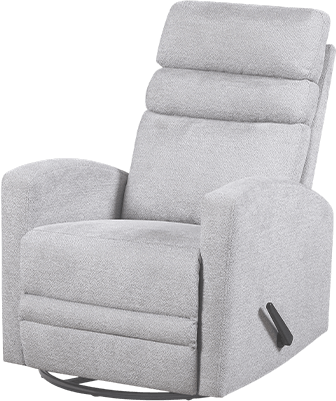
A power recliner is more than an occasional chair. It is a daily-use piece of furniture that must combine supportive ergonomics, smooth operation, durable upholstery, dependable structural components, and an appearance that complements a wide range of interiors. The Faux Leather Power Recliner described in this article has been developed around those requirements. It combines an overstuffed seat and back, a raised headrest, a powered reclining function, a reinforced metal and heavy-duty base structure, and durable polyester faux leather upholstery.
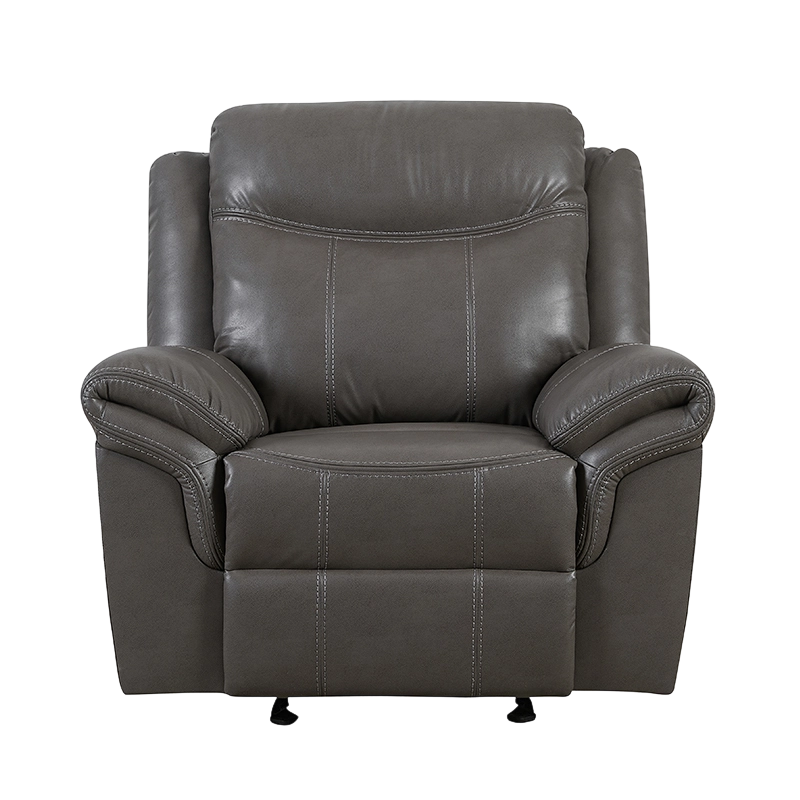
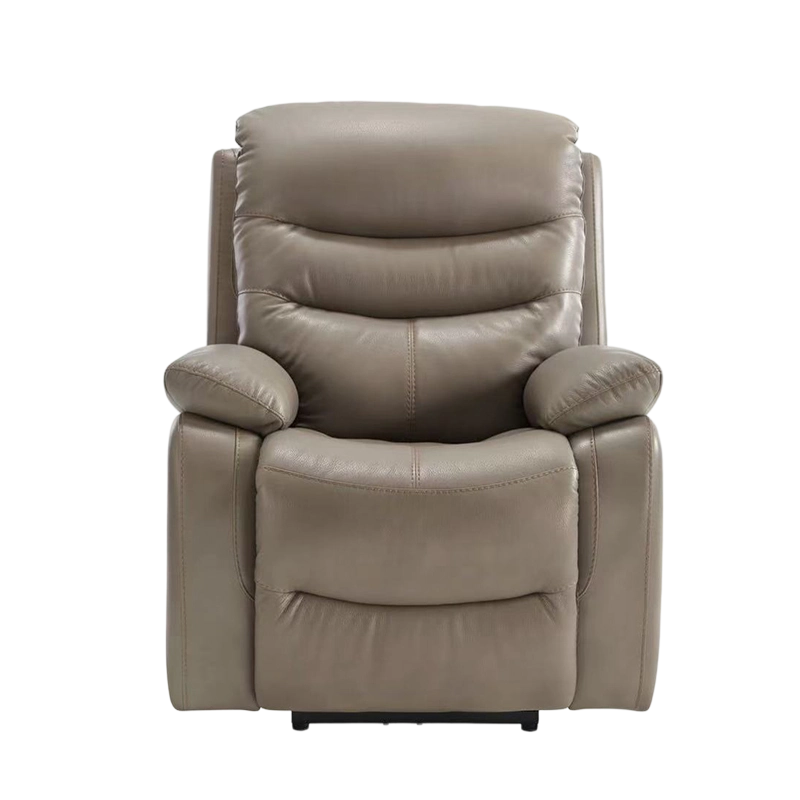
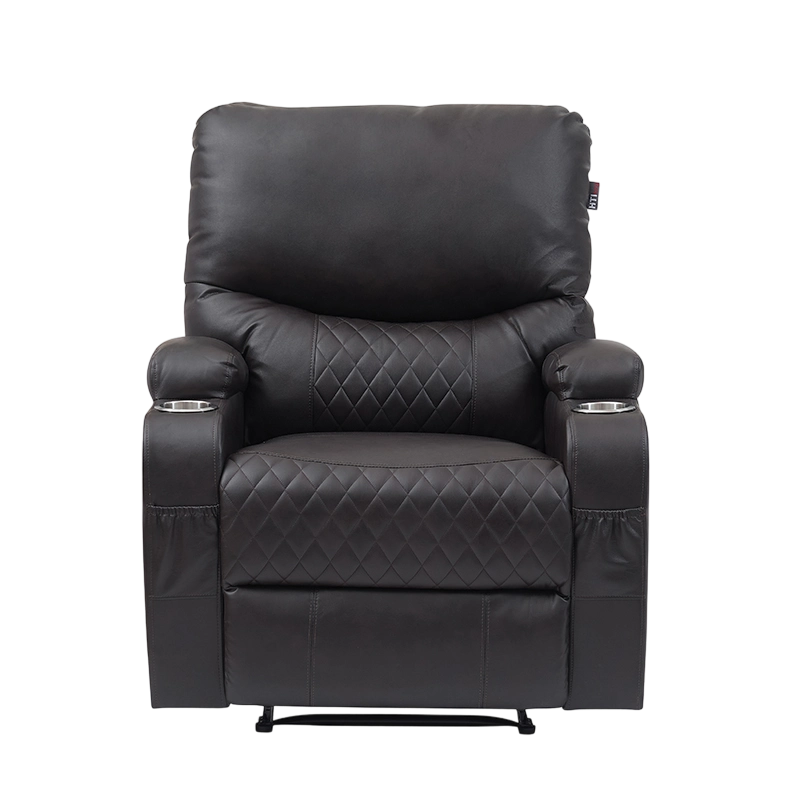
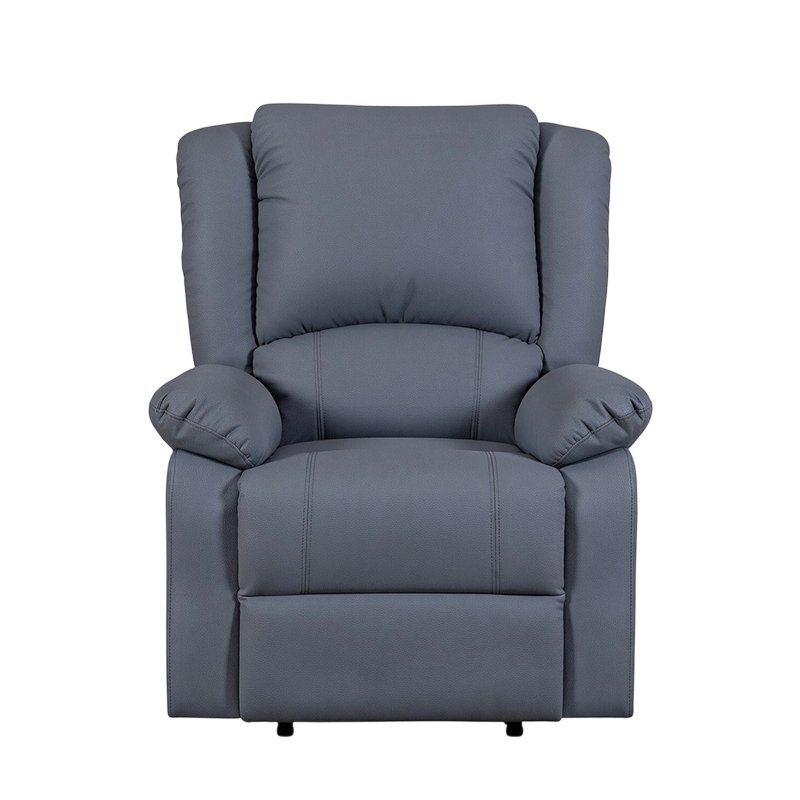
Designed for residential living rooms, home theaters, reading areas, hospitality spaces, and customized furniture programs, this recliner offers a practical alternative to ordinary stationary armchairs and entry-level manual recliners. Its contemporary silhouette is balanced by vintage rivet decoration and contrasting top stitching, allowing the chair to work in casual, transitional, industrial, and modern environments. Brown, Charcoal, and Red upholstery options are available, while custom colors can also be supported for qualified projects.
The product is manufactured by Anji Xuanbo Household Co., Ltd., a Chinese furniture company specializing in sofas, chairs, functional seating, recliner sofas, love seats, corner sofas, and leisure chairs. The company operates from Anji County, Zhejiang Province, a region widely recognized for its chair-manufacturing expertise. Its integrated capabilities include product research and development, industrial design, frame production, sponge processing, upholstery, assembly, quality inspection, marketing, and technical service.
This article examines the recliner from a product, engineering, comfort, maintenance, customization, and manufacturing perspective. It also explains why the chair can be competitive in international furniture markets and how its production background supports consistent quality and long-term cooperation.
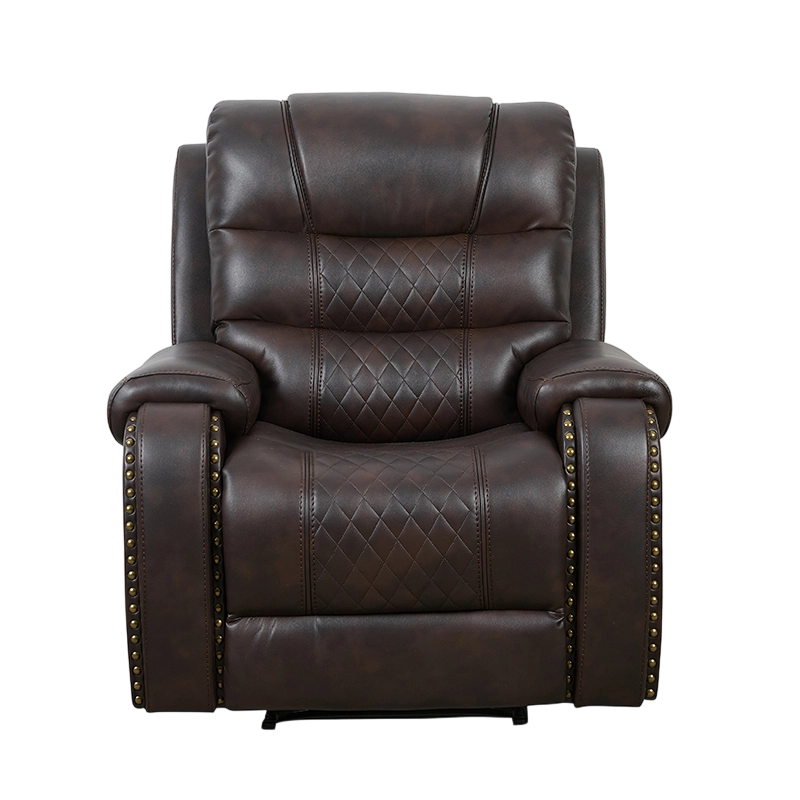
Faux Leather Power Recliner
Product Overview
The Faux Leather Power Recliner is a single-seat electric reclining chair with a compact footprint and a generously padded body. Its stated dimensions are approximately 39 inches wide, 36.2 inches deep, and 42.5 inches high. The chair has a listed weight capacity of up to 350 pounds, making it suitable for a broad range of adult users when properly installed and used on a stable floor.
The chair is upholstered in breathable polyester faux leather. This material is intended to provide the visual character of leather while offering a practical and economical solution for high-volume residential and commercial furniture programs. The upholstery is complemented by top-stitching that gives the exterior a more tailored appearance. The stitching is not merely decorative; it also helps define the chair’s contours and contributes to a finished, structured appearance.
A raised headrest supports the upper neck and head when the chair is in a reclined position. This is an important advantage over basic recliners with a low or flat back, because users do not need to force the head forward to watch television, read, or rest. The back and armrests are heavily padded, creating a soft, enveloping seating experience while maintaining a visually substantial profile.
The power button is positioned at the side of the chair, allowing users to control the reclining movement without reaching behind the furniture or operating a separate hand control. Side-mounted controls are especially convenient when the chair is placed beside a wall, sofa, or side table. They also help preserve a clean appearance by minimizing loose cables and detachable accessories around the seating area.
The structure includes a metal frame and heavy-duty base. These components are intended to provide stable support during sitting, reclining, and returning to the upright position. A robust base is particularly important in powered seating because the chair experiences repeated changes in weight distribution as the footrest extends and retracts.
| Product Attribute | Specification or Feature | Practical Benefit |
|---|---|---|
| Product type | Electric power recliner | Convenient adjustment with reduced physical effort |
| Configuration | One reclining chair | Suitable for individual seating and coordinated furniture programs |
| Upholstery | Polyester faux leather | Leather-look appearance with practical cleaning and customization potential |
| Color options | Brown, Charcoal, Red, and supported custom colors | Adaptable to different interiors and project requirements |
| Frame | Metal frame with heavy-duty base | Stable support during regular reclining cycles |
| Comfort features | Overstuffed armrests, padded backrest, raised headrest | Improved relaxation and upper-body support |
| Dimensions | Approximately 39W x 36.2D x 42.5H inches | Generous seating within a manageable footprint |
| Weight capacity | Up to 350 pounds | Broad user suitability when used as intended |
| Decorative details | Vintage rivets and contrasting top stitching | Distinctive appearance for casual and contemporary rooms |
Comfort Designed for Extended Sitting
The most important function of a recliner is to make extended sitting more comfortable. The product achieves this through the relationship between its padding, back angle, head support, arm positioning, and foot elevation. Instead of relying on one feature, the chair uses several comfort elements together to create a more supportive relaxation environment.
Overstuffed Armrests
The armrests are generously filled to provide a soft resting surface for the forearms and elbows. Firm, narrow armrests can create pressure points during long periods of use, especially when a user is reading, watching a film, or using a mobile device. Overstuffed armrests distribute contact more evenly and provide a cushioned transition between the seat and the side panels.
The substantial arm profile also gives the chair a feeling of enclosure. This can make the seat feel more secure and comfortable than a lightweight accent chair. At the same time, the contemporary shape prevents the product from appearing excessively traditional or bulky.
Padded Backrest
The backrest is designed with soft padding to support the shoulders and torso. The back texture and upholstery construction contribute to a finished look that can stand independently in a room or coordinate with a larger sofa collection. The back is visually tall enough to support relaxed posture, and the raised headrest helps the chair remain comfortable when the user changes from an upright position to a deeper recline.
A well-padded backrest can be valuable in both home and commercial environments. In a home theater, it supports extended viewing sessions. In a living room, it creates a designated space for reading or conversation. In guest accommodation, it offers an upgraded seating option without the cost or floor area required for a larger sofa.
Raised Headrest
The raised headrest is one of the product’s notable comfort advantages. When a recliner moves backward, the user’s shoulders and head must remain supported as the angle changes. A low-backed chair may force the user to bend the neck forward, which can reduce comfort. The raised headrest helps keep the head elevated and aligned with the upper body, particularly when the chair is fully reclined.
This feature is beneficial for television viewing, resting, gaming, and other activities that require the user to look forward while reclining. It also gives the chair a more substantial visual presence and differentiates it from simple padded lounge chairs.
Power-Assisted Position Adjustment
The electric reclining mechanism allows the user to change position gradually through a side-mounted power button. Compared with a conventional manual lever or push-back mechanism, power operation requires less upper-body effort. This can be helpful for users who prefer precise adjustment or who find manual mechanisms difficult to operate.
Powered movement also creates a more controlled transition between upright and reclined positions. The user can pause at a preferred angle rather than relying only on predetermined manual positions. This flexibility makes the chair suitable for different activities, including conversation, reading, watching television, resting, and sleeping.
Upholstery and Visual Design
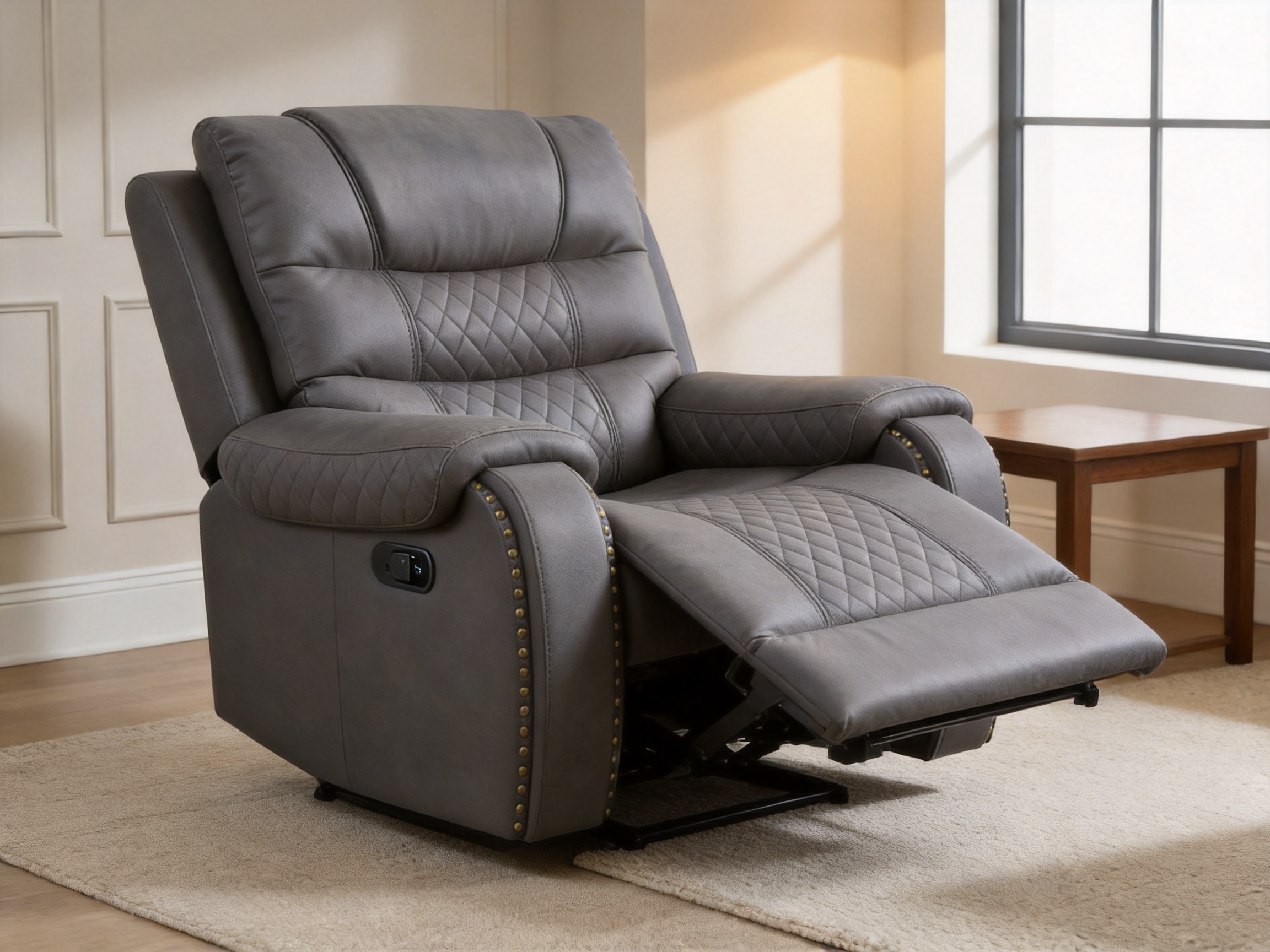
The upholstery combines a faux leather appearance with polyester-based construction. Faux leather is frequently selected for recliners because it offers a smooth, furniture-oriented surface that is visually consistent across a production batch. It also allows manufacturers to offer coordinated colors and textures at a more accessible cost than genuine leather.
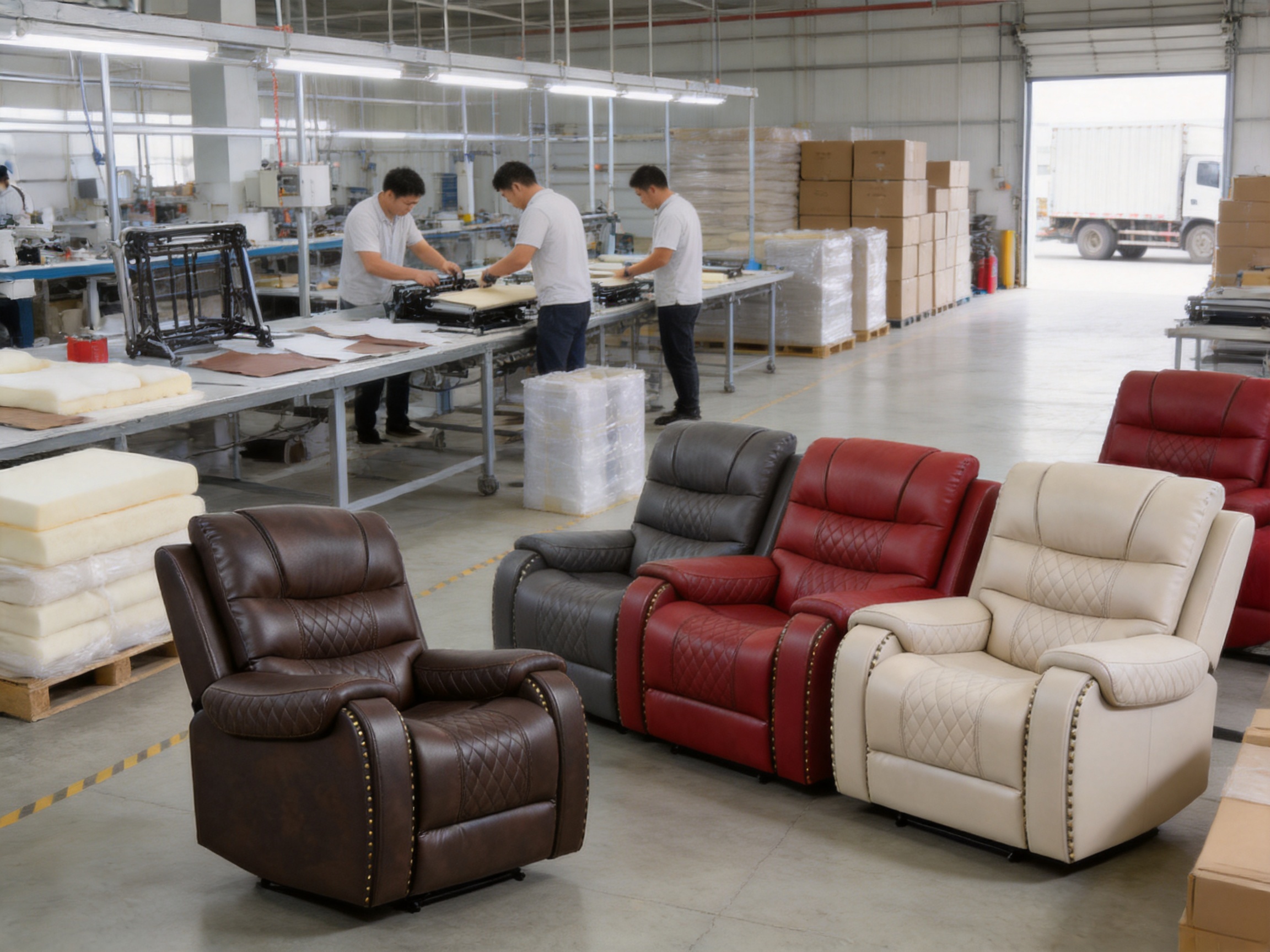
The available palette includes Brown, Charcoal, and Red, with custom colors supported for appropriate orders. Brown creates a warm and traditional impression, making it suitable for living rooms with wood flooring, warm lighting, or classic decorative elements. Charcoal provides a restrained contemporary appearance and can coordinate with gray, black, silver, and neutral interiors. Red creates a stronger focal point and may be suitable for entertainment rooms, hospitality settings, game rooms, or statement furniture collections.
Color customization can be especially valuable for furniture distributors, retailers, hospitality groups, interior designers, and project buyers. Rather than being limited to a single catalog color, buyers may be able to align the product with a private-label collection, a room concept, or a broader sofa program. Custom colors should be confirmed in advance because material availability, minimum order quantities, sample approval, and production lead time may vary.
Vintage rivets add a decorative accent to the upholstery. These details bring a subtle industrial or heritage character to the chair and help distinguish it from plain upholstered recliners. The rivets can work with leather-look surfaces, wood furnishings, dark metal accents, and relaxed interior styles.
Contrasting top stitching adds another layer of visual definition. The stitching highlights the chair’s seams and contours, helping the arms, back, and side panels appear more carefully tailored. In competitive furniture categories, such details matter because buyers often compare products not only by specifications but also by perceived finish quality.
Advantages Compared with Ordinary Recliners
Many recliners in the marketplace compete primarily through low price. However, price alone does not determine value. A chair that is difficult to operate, uncomfortable in a fully reclined position, unstable on the floor, or visually difficult to coordinate may create higher costs through returns, complaints, and limited market appeal. The Faux Leather Power Recliner addresses several of these weaknesses.
Compared with Stationary Lounge Chairs
A stationary lounge chair can provide attractive styling and soft seating, but it does not offer adjustable leg support or a changing back angle. The power recliner gives users greater control over posture and relaxation. This makes it more versatile in rooms where one chair must serve several functions.
The recliner can remain upright during conversation and extend into a resting position when the user wants more support. A stationary chair cannot provide the same range without an ottoman or separate footstool. The integrated footrest also keeps the visual arrangement more unified and reduces the need for additional floor space.
Compared with Basic Manual Recliners
Manual recliners may require a lever pull, a strong leg push, or a deliberate shift of body weight. Such mechanisms can be practical, but they do not suit every user. Power operation reduces the physical effort required to open and close the chair and permits more controlled positioning.
The side-mounted power button also offers a simpler user experience. There is no need to search for a hidden release handle or coordinate a body movement with a mechanical latch. This convenience can be a meaningful selling point for older users, people with limited strength, and households that prioritize ease of use.
Compared with Low-Back Power Recliners
Some power recliners offer electric movement but provide limited head and neck support. The raised headrest in this model addresses that weakness. A user can recline more fully while keeping the head elevated, which is beneficial when viewing a screen or relaxing for a longer period.
The elevated back profile also improves the chair’s visual proportions. It gives the product a more complete silhouette and can make it feel like a dedicated relaxation seat rather than a basic motorized cushion.
Compared with Light-Duty Furniture
Light-duty furniture may use less substantial frames, narrow bases, or minimal padding. Such products can be suitable for occasional use, but they may not deliver the same sense of stability or durability expected from a primary living-room recliner. The metal frame, heavy-duty base, and stated 350-pound weight capacity position this chair for more regular use when operated according to the manufacturer’s guidance.
Durability is also influenced by upholstery, stitching, assembly quality, and inspection procedures. The product’s manufacturing background includes dedicated wooden-frame and sponge-processing resources within the broader company operation, which supports greater control over key material stages and production coordination.
Compared with Visually Plain Recliners
A plain recliner may provide function but lack character. Vintage rivets, contrasting top stitching, plush contours, and multiple color options give this model a stronger design identity. The chair can therefore appeal to buyers who want comfort without sacrificing decorative impact.
Its appearance is sufficiently contemporary for modern homes while retaining details that work with casual and transitional interiors. This flexibility can help retailers present the chair to a broader audience rather than limiting it to one narrowly defined design category.
Structural Engineering and Stability
Recliners experience different forces from ordinary chairs. When a user sits down, weight is transferred through the seat into the frame and base. When the footrest extends, the center of gravity shifts forward. When the back reclines, the force distribution changes again. A reliable recliner therefore needs coordinated support across its seat, back, mechanism, frame, and base.
The product uses a metal frame and heavy-duty base to create a stable foundation. Metal components can provide consistent dimensional accuracy and strong support when properly engineered and assembled. The base must also provide a balanced footprint so that the chair remains steady as the user changes position.
The 350-pound weight capacity is an important specification for product selection and retail communication. It gives buyers a clear reference point and helps distributors match the chair to appropriate applications. Users should still follow the intended operating instructions, avoid standing on the footrest, and keep the mechanism free from obstructions.
Stable construction contributes not only to safety and performance but also to perceived quality. A chair that feels solid when the user sits, reclines, and returns upright is more likely to earn positive reviews and repeat business. For furniture retailers, this can support customer confidence and reduce dissatisfaction caused by movement or instability.
Footrest Operation and User Guidance
The recliner includes a footrest that extends as part of the reclining function. Proper operation is important for both comfort and service life. The chair should be placed on a level surface with sufficient clearance in front of it. Objects such as tables, boxes, rugs with thick raised edges, or other furniture should not obstruct the footrest’s movement.
The supplied guidance describes a labor-saving method for retracting the footrest. The user should sit forward with the body, lean forward, and use the heels to press against the middle of the footrest. This technique helps return the footrest without excessive force and can be useful when the mechanism is not designed to be closed by pulling aggressively with the legs.
Users should avoid jumping onto the footrest, sitting on it when it is extended, or placing excessive weight on one side. Children should not operate the mechanism without supervision. The power function should also be used with care around pets, small objects, and loose fabrics that could enter moving areas.
Clear operating instructions are a competitive advantage because they reduce misuse. A well-informed customer is more likely to enjoy reliable performance and less likely to interpret incorrect operation as a product defect. Retailers and project buyers can support this advantage by including the operating and care information in product listings, packaging, showroom signage, and after-sales communication.
Manufacturing Capabilities Behind the Product
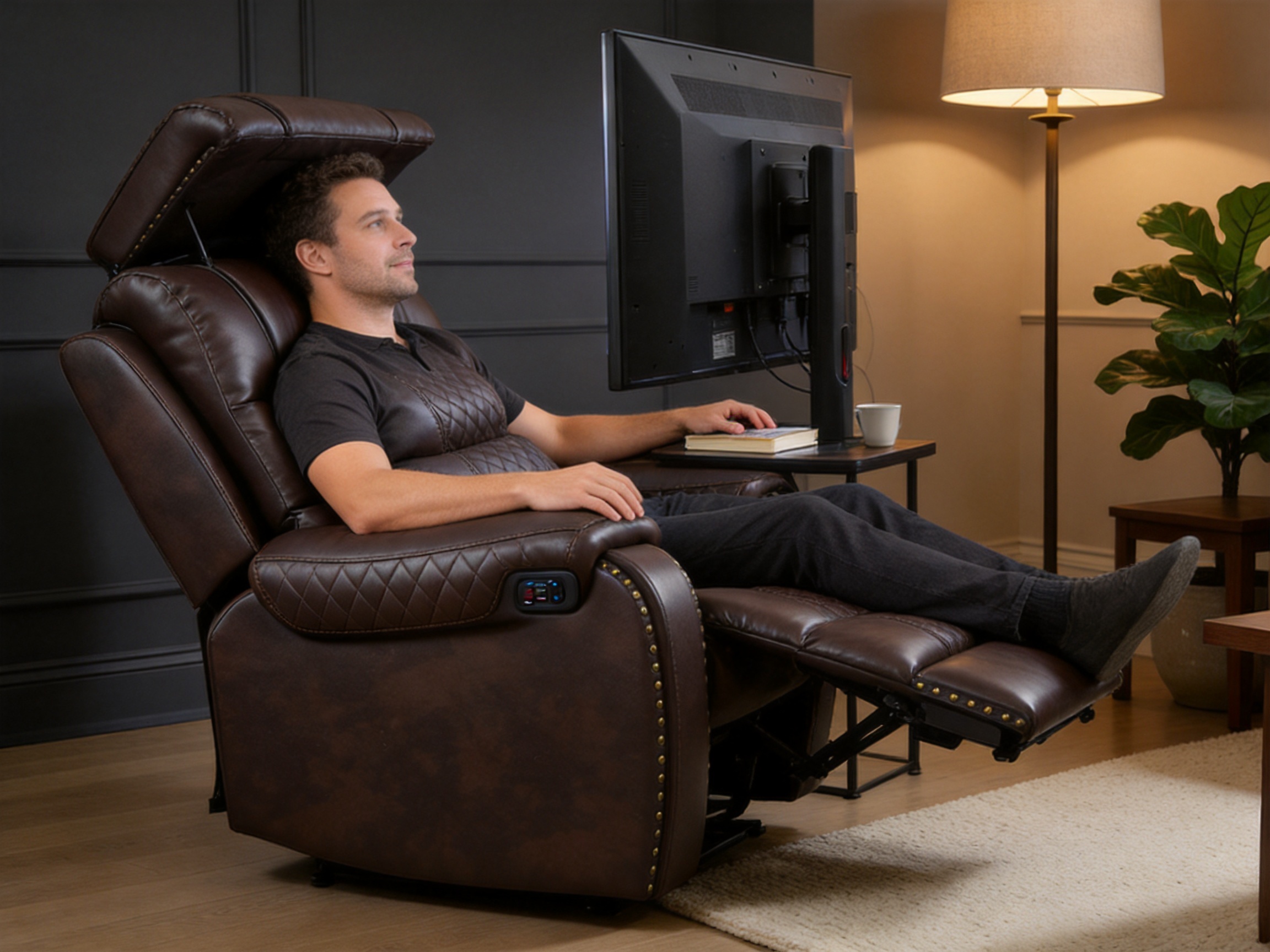
The manufacturer, Anji Xuanbo Household Co., Ltd., was established in 2021 and is located in Anji County, Huzhou City, Zhejiang Province. The region is known internationally for chair production and has developed a broad supplier and labor ecosystem for furniture manufacturing. This location provides access to experience in frame construction, upholstery, foam processing, mechanism integration, packaging, and export operations.
The company operates a factory of approximately 8,000 square meters and employs more than 100 people. Its product development scope includes functional sofas, fixed sofas, corner sofas, lounge chairs, recliner sofas, love seats, and leisure chairs. This product breadth is significant because it enables the company to understand both individual seating and coordinated living-room furniture.
Integrated Product Development
Product development begins with an understanding of market demand, user expectations, material availability, and target price positioning. The company combines research and development with industrial design, allowing visual styling and practical construction to be considered together. This approach is useful for functional seating because the exterior design must accommodate the internal frame, padding, reclining mechanism, wiring, and upholstery process.
For the Faux Leather Power Recliner, the design process must coordinate the raised headrest, overstuffed arms, padded back, power button location, footrest movement, seam placement, rivet decoration, and overall dimensions. A chair may look attractive in a drawing but fail to perform well if these elements are not developed as one system. Integrated development helps reduce that risk.
Control of Frame and Sponge Resources
The company’s stated advantages include its own wooden-frame factory and sponge-processing plant. Although the recliner uses a metal frame and heavy-duty base, broader control over frame and sponge resources remains valuable to the company’s overall seating operation. Internal or closely controlled processing can improve coordination between structural components, padding specifications, cutting plans, and upholstery requirements.
Foam and sponge affect seating softness, resilience, contour, and long-term comfort. Inconsistent density or cutting can cause uneven surfaces, poor alignment, or differences between production batches. A dedicated sponge-processing capability gives the manufacturer greater opportunity to manage these factors and align padding with the intended product design.
Frame production control also supports better coordination across products. Even when different models use different structural materials, experience with wooden frames, metal supports, mechanisms, and load-bearing construction can strengthen the company’s general furniture engineering capabilities.
Upholstery and Assembly Coordination
Upholstering a recliner requires careful attention to tension, seam alignment, padding placement, mechanism clearance, and decorative details. Faux leather must be cut and fitted so that the surface remains visually smooth while allowing the chair to move through its operating range. Excessive tension can affect appearance or movement, while insufficient tension can lead to wrinkling and a loose finish.
The top stitching and vintage rivets require additional process control. Stitch lines should follow the intended contours, and rivets should be positioned consistently from one unit to the next. These details are especially important for export customers and private-label buyers who expect repeatable appearance across a collection.
Assembly must also connect the upholstery shell, padding, metal frame, reclining mechanism, power components, base, and control button. Correct routing and protection of electrical wiring are essential. Functional testing should confirm that the button operates correctly, the mechanism moves smoothly, the footrest extends and retracts appropriately, and the chair remains stable throughout the movement.
Multi-Stage Quality Inspection
The company emphasizes strict multi-stage quality inspection. For a powered recliner, inspection can logically include incoming material checks, component checks, in-process inspections, assembly verification, functional testing, appearance review, packaging inspection, and final shipment approval.
Incoming inspection helps identify issues with upholstery materials, padding, metal parts, fasteners, decorative hardware, electrical components, and packaging materials before they enter production. In-process inspection can focus on dimensions, seam placement, frame alignment, padding distribution, and mechanism installation.
Final inspection is the last opportunity to identify cosmetic or functional concerns before shipment. It can include checking the upholstery surface, color consistency, stitching, rivet placement, base stability, power button response, footrest travel, reclined position, and overall dimensions. Consistent inspection is particularly important in international orders, where returning bulky furniture can be expensive and time-consuming.
Customization and International Supply
Customization is one of the product’s strongest commercial advantages. While the standard upholstery colors include Brown, Charcoal, and Red, the manufacturer supports custom colors. This gives importers and furniture brands greater control over assortment planning and market positioning.
Custom projects may involve color, upholstery selection, packaging, labeling, order quantities, or coordinated products. Buyers should discuss the exact scope during the quotation stage. Material samples should be reviewed under appropriate lighting because the appearance of faux leather can change depending on light temperature, surface texture, and surrounding colors.
Custom development also requires agreement on technical specifications. Important points may include dimensions, weight capacity, motor and control configuration, plug and electrical requirements for the destination market, carton dimensions, protection materials, assembly instructions, warranty terms, and replacement component availability.
The company exports to North America, Europe, the Middle East, and other regions. International experience can help a manufacturer understand the practical requirements of export furniture, including production scheduling, container utilization, packaging protection, documentation, and destination-market communication.
The factory’s location near Ningbo Beilun Port is described as an advantage for export logistics. Port access can help reduce inland transportation complexity and support more efficient shipping coordination. For overseas buyers, logistics reliability is part of product value because a well-made chair must also arrive in acceptable condition and within the agreed delivery plan.
Packaging, Delivery, and Retail Presentation
Recliners are large upholstered products with moving mechanisms, so packaging must protect both appearance and function. The package should prevent abrasion on the faux leather, protect corners and decorative details, keep the base secure, and reduce the risk of movement inside the carton. Electrical parts and controls should be protected from impact and compression.
Retailers should receive accurate carton information, product dimensions, assembly requirements, and handling guidance. This information supports warehouse planning, delivery scheduling, showroom placement, and online product listings. Clear documentation also helps reduce customer confusion after delivery.
In a showroom, the chair should be displayed with enough clearance for the footrest to extend. Demonstrating the side power button and raised headrest allows customers to experience the product’s primary advantages. Retail staff can explain the difference between a manual recliner and a powered model, the importance of correct footrest retraction, and the recommended fabric-care method.
Online sellers can emphasize the product’s major features through concise specification panels, lifestyle photography, dimension diagrams, and operating information. The most persuasive selling points are the powered movement, padded comfort, raised headrest, durable faux leather upholstery, stable base, 350-pound capacity, color range, and custom-order potential.
Care and Maintenance
Proper care helps preserve the appearance and service life of the upholstery. The supplied fabric-care guidance specifies cleaning with dry-cleaning solvent only and advises users not to saturate the fabric with water. This instruction should be followed carefully rather than replaced with general upholstery-cleaning habits.
Water saturation can affect faux leather, backing materials, padding, seams, and internal components. Excess moisture may also remain inside the chair and create odor or discoloration. Users should avoid soaking, steam cleaning, harsh household detergents, abrasive pads, bleach, and untested chemical products.
Before using any cleaning solvent, the user should test it on a concealed area and follow the solvent manufacturer’s instructions. Cleaning should be performed gently, with attention to spills before they become embedded. The surface should not be rubbed aggressively, as excessive friction can change the appearance of the upholstery.
The supplied guidance also notes that pile fabrics may require brushing to restore their appearance. If the surface has a textured or raised finish, brushing in the appropriate direction may help even out the visual nap. Users should avoid using sharp tools or rough brushes that could damage the material.
In addition to upholstery care, the chair should be inspected periodically. Users can check for loose fasteners, unusual sounds, damaged wiring, uneven movement, or objects caught beneath the footrest. The chair should be disconnected from power before any inspection involving electrical components. Repairs should be handled by qualified personnel or through the supplier’s after-sales service process.
Suitable Applications
Residential Living Rooms
The recliner can serve as a primary relaxation seat in a living room. Its color options allow it to coordinate with neutral sofas, wood furniture, patterned rugs, and contemporary media units. The chair can be used independently or paired with a sofa, love seat, or matching recliner sofa.
Home Theater and Media Rooms
The raised headrest and adjustable footrest make the chair suitable for film and television viewing. The power function allows the user to select a viewing angle without leaving the seat. Brown and Charcoal are particularly easy to integrate into media-room designs, while Red can create a more dramatic theater-style appearance.
Reading and Rest Areas
The padded back and armrests create a comfortable place for reading, listening to music, or taking a break. In these applications, the chair’s ability to move between upright and reclined positions is more useful than a fixed accent chair because it supports different activities throughout the day.
Hospitality and Commercial Interiors
Selected hospitality environments may use recliners in guest lounges, private suites, entertainment rooms, or relaxation spaces. Commercial buyers should assess expected usage, cleaning requirements, local electrical standards, and maintenance support before ordering. Custom colors can help the chair align with a brand or interior design concept.
Furniture Retail and Private Label
Retailers and private-label furniture brands can use the product as part of a broader upholstered seating collection. The company’s manufacturing scope across sofas and chairs makes it possible to discuss coordinated designs, colors, and product programs rather than sourcing every seating category from unrelated factories.
Why the Manufacturer Is a Competitive Partner
A competitive furniture supplier must provide more than an attractive sample. The supplier should demonstrate the ability to develop products, control materials, maintain repeatable production, support customization, inspect finished goods, and coordinate export logistics. Anji Xuanbo Household Co., Ltd. presents several strengths in these areas.
First, the company has a focused product range centered on sofas and chairs. This specialization creates relevant expertise in upholstered seating, functional mechanisms, frame construction, padding, sewing, assembly, and furniture aesthetics.
Second, the company combines design and manufacturing. Buyers can communicate with a supplier that understands both the market-facing appearance and the internal construction requirements. This can simplify product revisions and reduce the risk of design decisions that are difficult to manufacture consistently.
Third, control of wooden-frame and sponge-processing resources supports cost and capacity management. Although individual products may use different materials, this broader infrastructure can help the company coordinate production and respond to custom requirements.
Fourth, the company emphasizes multi-stage quality inspection and compliance with international market standards and certifications. Specific certification requirements should always be confirmed for the destination country and product configuration, but the stated quality focus indicates that export compliance is treated as an important part of the business.
Fifth, the company has experience serving international markets in North America, Europe, the Middle East, and other regions. This export orientation can help overseas buyers communicate specifications, packaging requirements, shipping plans, and quality expectations more efficiently.
Finally, the company promotes long-term cooperation based on quality, service, honesty, practical management, and continuous improvement. For furniture buyers, long-term cooperation can be more valuable than a one-time low quotation because stable communication and repeatable production help protect the consistency of future orders.
How Buyers Can Evaluate the Product
Before purchasing, buyers should evaluate the recliner sample in several ways. First, sit in the chair in both upright and reclined positions. Check whether the headrest supports the head naturally, whether the arms are comfortable, and whether the seat depth suits the intended customer group.
Second, operate the power function repeatedly. Observe whether the movement is smooth, whether the footrest opens evenly, whether the chair remains stable, and whether the control button is easy to reach. Listen for unusual noise and confirm that the chair stops appropriately when the control is released, subject to the final mechanism configuration.
Third, inspect the upholstery closely. Look for even color, consistent texture, clean seams, secure stitching, properly positioned rivets, and smooth transitions around the arms and back. Custom-color buyers should compare approved samples with production expectations under realistic showroom or residential lighting.
Fourth, check the base and frame. The chair should sit level without excessive rocking. The base should appear securely attached, and the mechanism should not create unnecessary looseness. Buyers should also review the load rating, operating instructions, electrical specifications, and available after-sales support.
Fifth, discuss the complete commercial package with the manufacturer. Important subjects include minimum order quantity, sample charges, production lead time, packaging, inspection standards, spare parts, warranty conditions, replacement procedures, shipping terms, and documentation. A clear agreement at the beginning can prevent misunderstandings later.
Frequently Asked Questions
What type of product is this?
It is a single-seat electric power recliner upholstered in polyester faux leather. It includes a powered reclining function, a raised headrest, overstuffed armrests, a padded backrest, a heavy-duty base, and a metal frame.
Which colors are available?
The listed colors include Brown, Charcoal, and Red. Custom colors are also supported for suitable orders. Buyers should confirm color availability, minimum quantities, sample approval, and lead times with the manufacturer.
Is the chair suitable for extended sitting?
The padded backrest, overstuffed armrests, raised headrest, adjustable recline, and integrated footrest are designed to support extended relaxation. Comfort is subjective, so buyers should test the chair with representative users before placing a large order.
What is the stated weight capacity?
The listed weight capacity is 350 pounds. The chair should be used on a stable surface and operated according to the supplied instructions. Users should not stand on the footrest or place excessive weight on moving components.
Where is the power control located?
The power button is positioned on the side of the chair. This allows the user to adjust the recliner without reaching behind the chair or managing a separate loose control.
How should the footrest be retracted?
The supplied method is to sit forward, lean forward, and use the heels to press against the middle of the footrest. Users should not force the mechanism, stand on the footrest, or allow objects to obstruct its movement.
How should the upholstery be cleaned?
The supplied care instructions recommend cleaning with dry-cleaning solvent only and advise against saturating the upholstery with water. A concealed-area test should be performed before applying any cleaning product to a visible surface.
Can the recliner be used in a coordinated furniture collection?
Yes. Its contemporary form, contrasting top stitching, vintage rivets, and available colors allow it to coordinate with sofas, love seats, corner sofas, leisure chairs, and other upholstered products. The manufacturer specializes in several of these seating categories.
Does the manufacturer support customization?
The manufacturer supports custom colors and can discuss additional project requirements. Buyers should provide detailed specifications for upholstery, dimensions, electrical configuration, packaging, labeling, and other requested modifications.
What manufacturing strengths support this product?
The company has research and development, industrial design, large-scale manufacturing, independent marketing, technical service, a factory of approximately 8,000 square meters, more than 100 employees, its own wooden-frame factory, sponge-processing resources, and multi-stage quality inspection capabilities.
Which markets does the company serve?
The company exports to North America, Europe, the Middle East, and other international markets. Destination-specific requirements should be confirmed for each order, especially electrical, labeling, packaging, and certification requirements.
What should importers confirm before ordering?
Importers should confirm the approved sample, color, dimensions, weight capacity, mechanism, power requirements, packaging, minimum order quantity, production time, inspection procedure, warranty, spare parts, shipping terms, and documentation. These details help ensure that the product meets the intended market and application.
Conclusion
The Faux Leather Power Recliner combines powered adjustment, generous cushioning, a raised headrest, a stable structural platform, and a distinctive upholstered appearance. Its Brown, Charcoal, Red, and custom-color options provide flexibility for residential, retail, hospitality, and private-label applications. The product is positioned above basic manual or stationary seating through its power function, integrated footrest, head support, and more substantial construction.
Its value is supported by the manufacturing capabilities of Anji Xuanbo Household Co., Ltd. The company’s specialization in sofas and chairs, integrated design and production approach, frame and sponge resources, quality inspection system, customization support, and export experience provide a practical foundation for international furniture buyers.
For end users, the key benefits are comfort, convenience, visual versatility, and controlled reclining. For retailers and distributors, the key benefits include a clear feature set, broad application potential, custom color support, and a product style that can appeal to several interior categories. For project buyers, the manufacturer’s production and logistics capabilities offer a basis for discussing repeat orders and coordinated furniture programs.
As with any powered upholstered product, correct use, appropriate placement, careful cleaning, and regular inspection are essential. When these requirements are followed, the recliner can provide a dependable and comfortable seating solution for everyday relaxation and international furniture collections.
References
1. Product specification and care information supplied for the Faux Leather Power Recliner, including dimensions, upholstery, features, operating guidance, and weight capacity.
2. Manufacturer profile and company information supplied for Anji Xuanbo Household Co., Ltd., including production capabilities, product categories, export markets, and quality commitments.
3. General furniture-industry principles concerning upholstered seating ergonomics, recliner stability, upholstery inspection, and functional-product quality control.
4. General guidance for the handling, packaging, operation, and maintenance of powered reclining furniture.
Product: Faux Leather Power Recliner


LET'S TALK

Bai Shuiwan Industrial Park, Tian Huangping Town, Anji County, Huzhou City, Zhejiang Province, China
More About Us 
-
+86 18257273741
-
[email protected]
CONTACT US
Copyright © Anji Xuanbo Household Co., Ltd. All Rights Reserved.
Custom Modern Upholstered Sofa Manufacturers


