Focus on the manufacturing and export of functional sofas
-
 +86 18257273741
-
 [email protected]

 English
 Español

Wang Qian — After-Sales Support Manager
 Home / Author / Wang Qian — After-Sales Support Manager / White Manual Recliner Chair with Breathable Skin-Comfortable Fabric
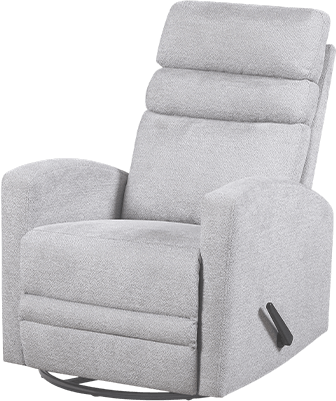
White Manual Recliner Chair with Breathable Skin-Comfortable Fabric
 2026.11.05
 Wang Qian — After-Sales Support Manager
Content
- 1 Introduction
- 2 Product Overview
- 3 Comfort-Oriented Construction
- 4 Manual Reclining Performance
- 5 Upholstery and Appearance
- 6 Advantages Compared with Basic Recliner Chairs
- 7 Manufacturing Strengths of the Producer
- 8 Production Process from Concept to Finished Chair
- 9 Quality, Compliance, and Export Support
- 10 Applications in Residential and Commercial Spaces
- 11 Care and Maintenance Recommendations
- 12 Purchasing Considerations for Wholesale and Project Buyers
- 13 Why Choose a Manual Recliner for Everyday Comfort?
- 14 Frequently Asked Questions
- 14.1 What type of product is this?
- 14.2 How does the reclining function operate?
- 14.3 What is the maximum reclining angle?
- 14.4 Does the chair require electricity?
- 14.5 What is the chair’s weight capacity?
- 14.6 What are the chair’s dimensions?
- 14.7 What materials contribute to the chair’s comfort?
- 14.8 Is the color limited to white?
- 14.9 Is the upholstery easy to care for?
- 14.10 How should the footrest be retracted?
- 14.11 What should users avoid when closing the footrest?
- 14.12 What makes this chair different from a basic padded recliner?
- 14.13 Can the chair be used in a coordinated furniture collection?
- 14.14 Where is the manufacturer located?
- 14.15 Does the manufacturer serve overseas markets?
- 14.16 What should buyers confirm before ordering?
- 15 Conclusion
- 16 References
- 17 Product: White Manual Recliner Chair With Breathable Skin Comfortable Fabric
White Manual Recliner Chair with Breathable Skin-Comfortable Fabric
Introduction
A recliner is more than an occasional seat. It is a personal comfort zone for watching television, reading, resting, relaxing after work, or enjoying quiet time at home. The White Manual Recliner Chair with Breathable Skin-Comfortable Fabric combines a classic reclining function with contemporary upholstery, supportive cushioning, generous proportions, and a practical manual operating system. Designed for everyday comfort, it offers a balanced solution for households, hospitality settings, living rooms, bedrooms, family rooms, and dedicated leisure spaces.
This chair is developed around a simple idea: comfort should be easy to access, durable enough for regular use, and attractive enough to complement modern interior design. Its pull-tab reclining mechanism allows users to adjust the backrest and footrest without relying on motors, batteries, or complicated controls. The chair can reach an angle of up to 135 degrees, supporting several positions for television viewing, reading, relaxation, and light rest.
The upholstery is available in white and supports custom color selections for projects that require coordinated furniture. Its soft, easy-care fabric creates a welcoming appearance while maintaining a practical surface for everyday use. Beneath the upholstery, high-density sponge, pillowed seat and back cushions, and pocket-spring support work together to deliver a comfortable sitting experience with a stable and resilient feel.
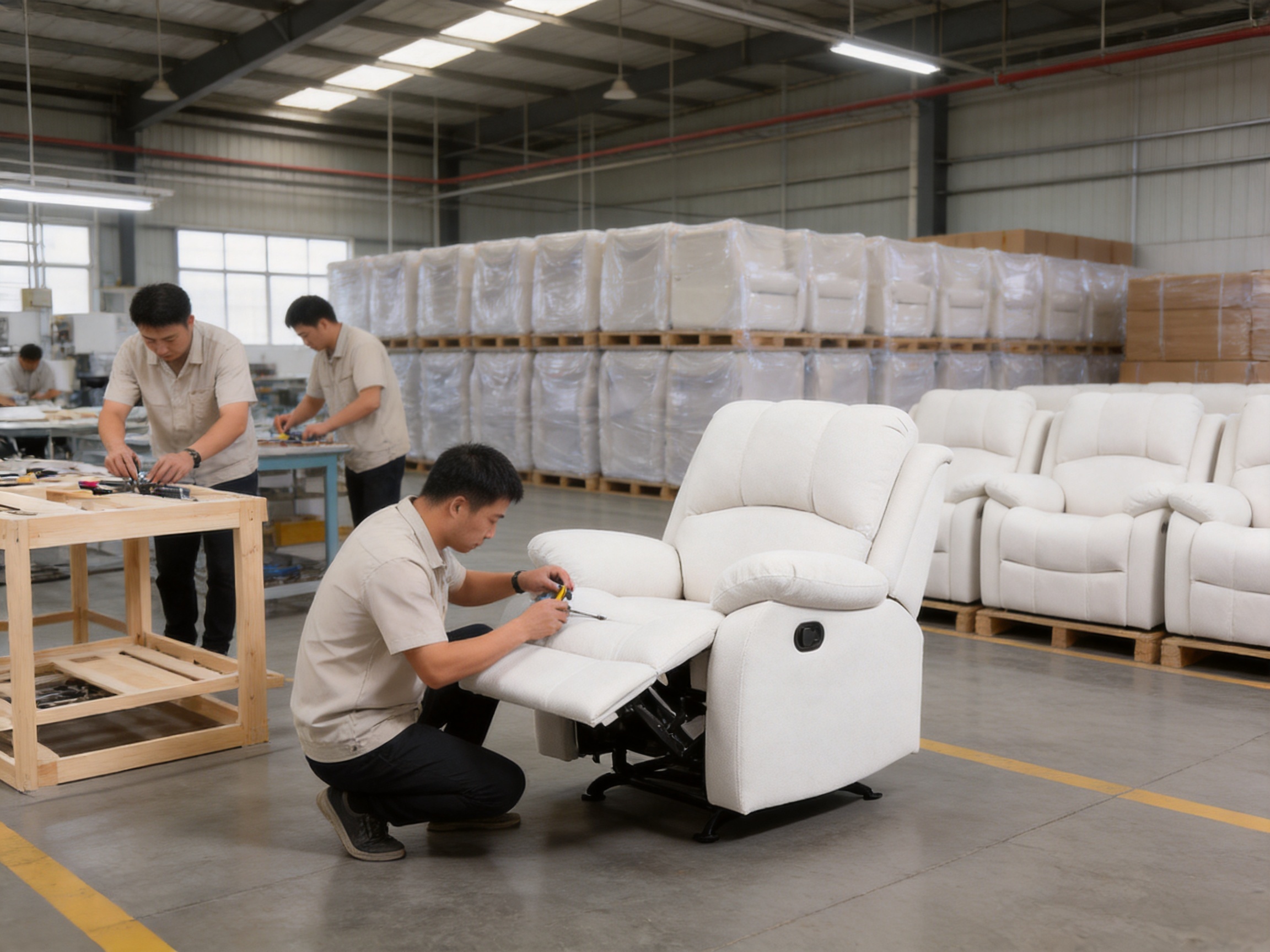
Manufactured by Anji Xuanbo Household Co., Ltd., the chair benefits from the company’s focused experience in sofas, functional seating, recliner sofas, leisure chairs, love seats, fixed sofas, and corner sofas. The company integrates research and development, industrial design, manufacturing, marketing, technical services, and export support. Its production capabilities include control of wooden frame manufacturing and sponge processing, enabling closer supervision over key components and better coordination from structure to finished upholstery.
For buyers seeking a manual recliner that balances appearance, comfort, customization, and dependable production support, this model provides a practical and versatile choice.
White Manual Recliner Chair With Breathable Skin Comfortable Fabric
Product Overview
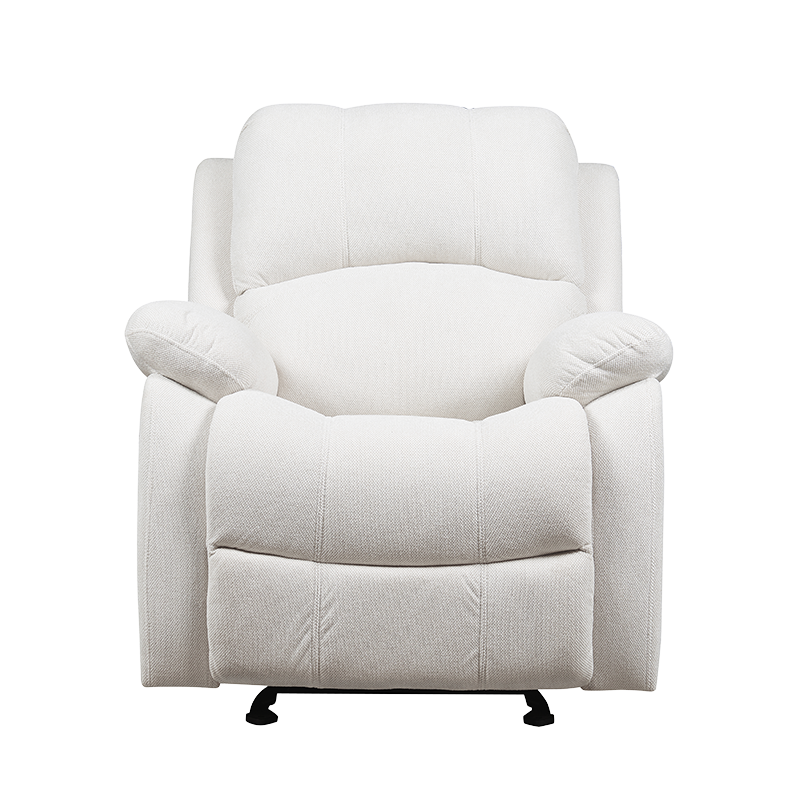
The White Manual Recliner Chair is a single-seat recliner with a contemporary appearance and a classic manual operating system. It measures approximately 35.4 inches wide, 37 inches deep, and 38.2 inches high. With a maximum supported weight of 350 pounds, it is designed to provide a stable and spacious seating experience for a broad range of users.
| Product Feature | Specification |
|---|---|
| Product type | Manual recliner chair |
| Quantity | One chair |
| Color shown | White |
| Color availability | Custom colors supported |
| Reclining operation | Pull-tab manual mechanism |
| Maximum reclining angle | Up to 135 degrees |
| Dimensions | 35.4 W x 37 D x 38.2 H inches |
| Weight capacity | 350 pounds |
| Seat construction | High-density sponge with pocket-spring support |
| Arm style | Plush flared arms |
| Base feature | Non-slip bottom |
| Recommended use | Living rooms, family rooms, bedrooms, reading spaces, and leisure areas |
The design combines a broad visual profile with practical proportions. Plush flared arms create a comfortable place to rest the arms while contributing to the chair’s classic silhouette. The pillowed seat and back cushions give the chair a softer, more inviting appearance than rigidly structured seating. At the same time, the internal support system helps maintain a more stable seating feel during regular use.
The chair is intended for people who appreciate the convenience of reclining but prefer the straightforward operation and reduced maintenance requirements of a manual system. It can be positioned in a home theater, beside a sofa, in a reading corner, or as an individual relaxation seat in a commercial or residential project.
Comfort-Oriented Construction
Pocket-Spring Support
One of the central comfort advantages of this recliner is its pocket-spring-supported cushioning. Pocket springs are individually enclosed elements that can respond more independently to pressure than a basic solid foam cushion. In a recliner, this type of support can help distribute body weight more evenly across the seating area while providing a combination of flexibility and resilience.
The spring-supported construction is particularly useful for a chair intended for extended sitting. Whether the user is watching a long film, reading several chapters, taking an afternoon rest, or spending time with family, the cushion system is designed to reduce the hard, compressed feeling that may occur in lower-quality seating. It helps create a supportive foundation beneath the high-density sponge and upholstered surface.
Compared with chairs that depend only on a thin layer of foam, a pocket-spring cushion can offer a more responsive sitting experience. The user receives softness at the surface while still benefiting from deeper structural support. This combination is important because a chair that is excessively soft may feel comfortable initially but lack support after longer use, while a chair that is too firm may feel uncomfortable during relaxation.
High-Density Sponge
High-density sponge is used to provide cushioning around the seat, back, and arm areas. Its role is to create a comfortable transition between the user and the underlying frame and mechanism. Properly selected cushioning also contributes to shape retention, helping the chair maintain a fuller appearance over time when used and cared for appropriately.
The combination of high-density sponge and pocket springs distinguishes the chair from basic padded lounge furniture. It is not designed merely to look soft; it is structured to provide a layered seating experience. The springs provide responsive support, the sponge creates cushioning, and the fabric provides the final tactile surface.
Pillowed Seat and Back Cushions
The pillowed seat and back cushions add softness and visual depth. Their fuller profile supports the modern classic character of the chair and helps create the feeling of being surrounded by the seat. This design is well suited to people who prefer a comfortable, enveloping recliner rather than a slim, highly architectural chair.
The back cushion is shaped to support the upper body while the seat cushion provides a stable base. As the backrest reclines, the cushion arrangement allows the user to move from a more upright seating posture toward a relaxed position. The result is a chair that can serve several purposes instead of being limited to one fixed sitting angle.
Plush Flared Arms
The flared arms combine function and appearance. They provide a broad surface for resting the arms and help frame the seat. Their plush construction contributes to the overall softness of the chair, while the flared shape gives the recliner a more generous and traditional profile.
Arm comfort is often overlooked when comparing recliners. However, a user may spend a significant amount of time with the forearms resting on the chair’s sides. Well-padded arms can reduce pressure points and make the chair feel more comfortable during reading, television viewing, or extended conversations.
Manual Reclining Performance
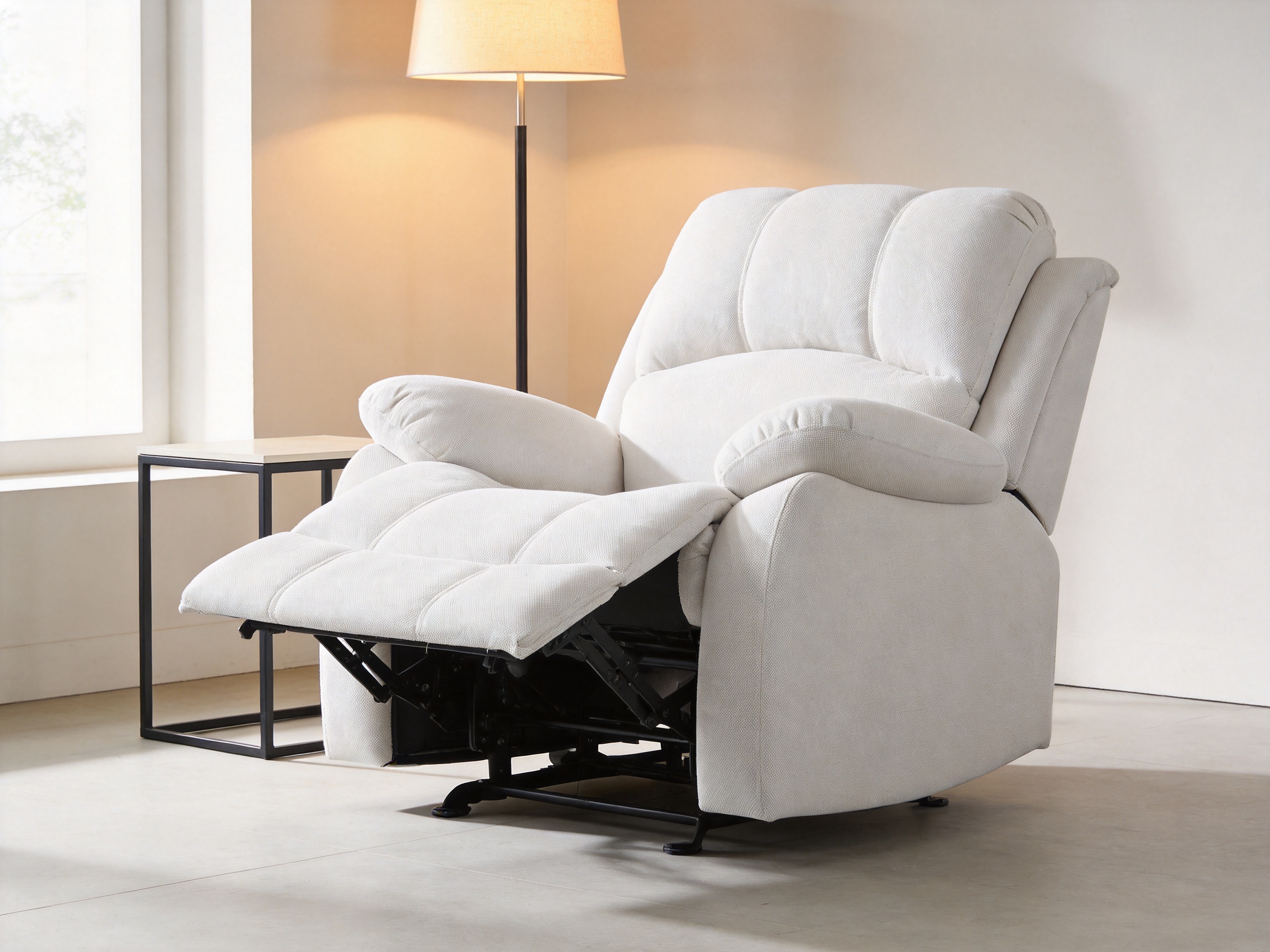
The chair uses a pull-tab manual reclining mechanism. This operating method is familiar, direct, and easy to understand. By pulling the tab, the user can release the mechanism and adjust the chair toward a more relaxed position. The backrest and footrest work together to support the transition from upright sitting to reclining.
A manual recliner offers several practical advantages compared with a powered recliner. It does not require an electrical outlet, power cord, battery charging, or a motorized control system. This makes placement more flexible and reduces the number of components that may require service. It is suitable for rooms where cable-free furniture is preferred or where the chair needs to be moved between different areas.
The manual system can also help control purchase and operating costs. Since it does not include an electric motor or electronic control panel, it may be a more economical choice for homeowners, project buyers, hospitality operators, and furniture distributors. The simpler operating structure may also support easier maintenance over the product’s service life.
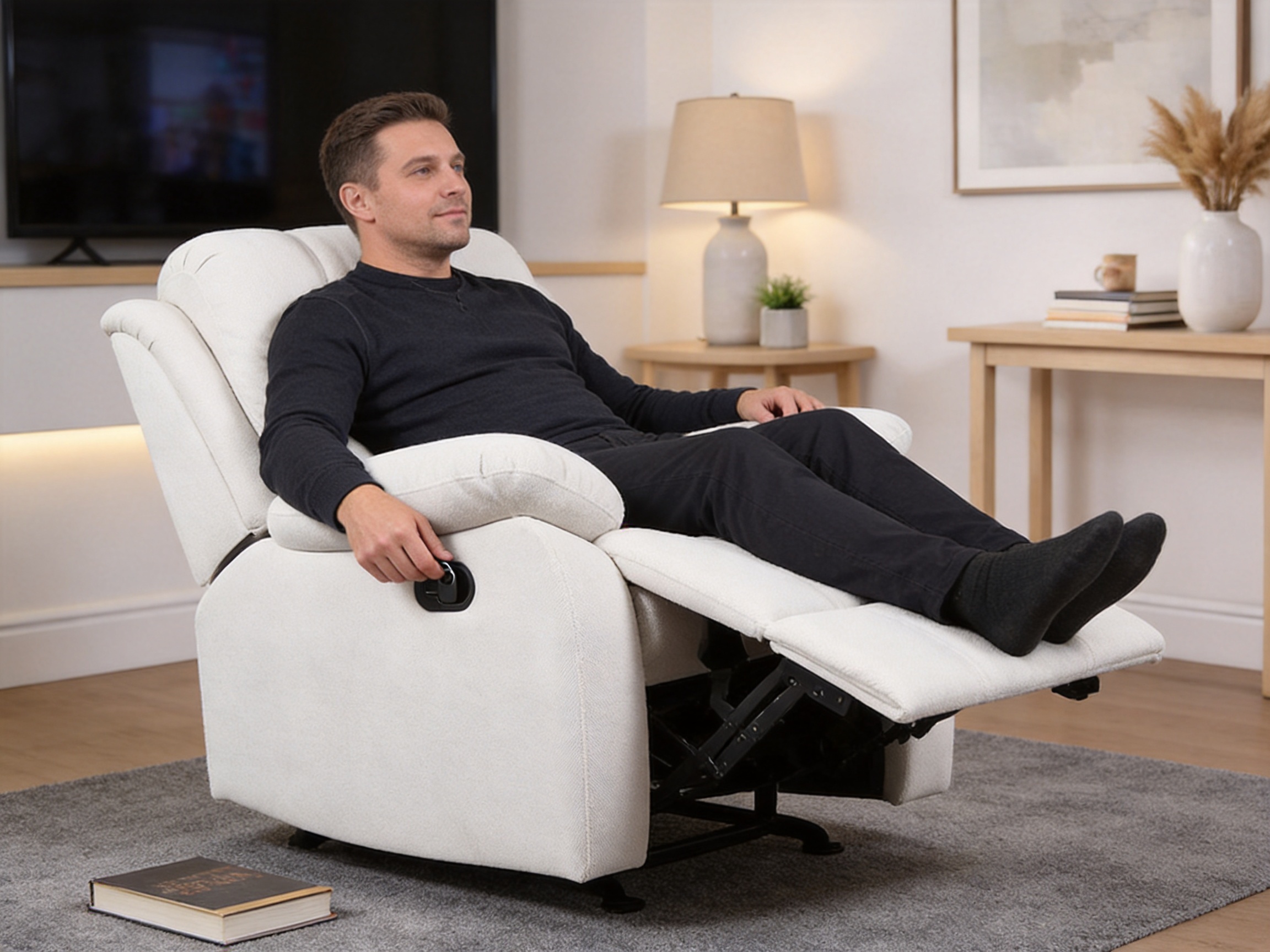
With a maximum reclining angle of 135 degrees, the chair can provide a substantial change in posture. In an upright position, it supports everyday sitting and conversation. In a partially reclined position, it is suitable for reading or watching television. In a deeper reclined position, it creates a more relaxed posture for resting and light sleep.
Correct Footrest Retraction Method
To retract the footrest correctly and reduce unnecessary strain on the mechanism, the user should sit forward with the body, lean forward, and use the heels to press against the middle of the footrest. This labor-saving method helps guide the footrest back into its closed position in a controlled manner.
Using the middle area of the footrest is preferable to pushing against one side. Even pressure can help maintain smoother movement and reduce uneven loading. Users should avoid forcing the footrest, standing on it, or applying sudden sideways pressure. Following the recommended method supports safer operation and helps protect the mechanism during regular use.
Upholstery and Appearance
The white upholstery gives the chair a clean, bright, and contemporary appearance. White furniture can make a room feel more open and visually lighter, particularly when paired with neutral walls, natural wood, gray flooring, or soft accent colors. The chair can function as a refined focal point or blend into a larger seating arrangement.
The breathable, skin-comfortable fabric is intended to create a pleasant contact surface during extended sitting. Fabric upholstery often provides a warmer and less slippery feel than some smooth synthetic surfaces. It can also offer a softer visual texture, making the recliner appear more relaxed and inviting.
Although white requires thoughtful care, the fabric is designed to be easy to maintain when the recommended instructions are followed. The supplied care guidance specifies cleaning with dry-cleaning solvent only and advises users not to saturate the fabric with water. Where the upholstery has a pile, gentle brushing may be required to restore its appearance after use or cleaning.
The availability of custom colors is valuable for furniture retailers, interior designers, hospitality projects, and coordinated residential developments. Instead of limiting the chair to a single standard color, buyers can discuss alternative upholstery options for matching sofas, corner sofas, love seats, or other furniture in the same project.
Advantages Compared with Basic Recliner Chairs
Balanced Comfort Rather Than Surface Softness Alone
Many entry-level recliners rely on basic foam padding and may feel soft when first used but lack a deeper support structure. This model combines pocket springs, high-density sponge, pillowed cushions, and an upholstered surface. The layered construction is intended to produce a more balanced experience, combining softness, responsiveness, and support.
Flexible Placement
The manual mechanism gives the chair greater placement flexibility. Since it does not need to be positioned near a wall outlet, the chair can be used in a central living room arrangement, a reading corner, a bedroom, or a temporary furniture display. It avoids visible power cables that may interrupt the appearance of a carefully designed room.
Reduced Mechanical Complexity
A manual recliner has fewer electrical components than a powered model. There is no motor, remote control, charging system, or control board to manage. This simplicity may be especially attractive to buyers who prioritize straightforward operation and easier long-term ownership.
Distinctive Upholstered Profile
The plush flared arms and pillowed cushions create a fuller and more welcoming appearance than many narrow contemporary recliners. The chair has enough visual presence to stand alone while remaining compatible with larger seating collections. Its modern classic style can work with transitional, contemporary, casual, and relaxed traditional interiors.
Custom Color Potential
Custom color support provides an advantage for buyers with specific branding, design, or project requirements. Coordinated color selection can help the recliner match a sofa group, hotel interior, apartment development, show home, or retail collection.
Substantial Weight Capacity
With a stated weight capacity of 350 pounds, the chair is designed for dependable everyday use by a broad range of occupants. Weight capacity is an important consideration when evaluating furniture because it relates to frame strength, mechanism design, cushion support, and overall product positioning.
Manufacturing Strengths of the Producer
Anji Xuanbo Household Co., Ltd. was established in 2021 and is located in Anji County, Huzhou City, Zhejiang Province. The region is widely recognized as the “Capital of Chair Industry,” providing access to a developed furniture supply chain, skilled labor, manufacturing resources, component suppliers, and export services.
The company specializes in sofas and chairs, including functional sofas, fixed sofas, corner sofas, lounge chairs, recliner sofas, love seats, and leisure chairs. This product scope is relevant to the White Manual Recliner Chair because the company’s experience extends across multiple seating categories rather than being limited to a single furniture format.
The factory covers approximately 8,000 square meters and employs more than 100 people. This scale supports organized production while maintaining a focused specialization in upholstered seating. A dedicated workforce can help coordinate frame preparation, foam processing, upholstery, assembly, inspection, packaging, and shipment preparation.
Integrated Research and Development
The company integrates research and development with industrial design and manufacturing. This integrated structure allows product concepts to be evaluated not only for appearance but also for construction, material coordination, production feasibility, packaging, and market requirements.
For a functional chair, design and engineering must work together. The external silhouette has to accommodate the reclining mechanism, footrest movement, upholstery tension, cushion depth, arm construction, and user comfort. An integrated development process helps connect these considerations earlier in the product cycle.
The result is a product that combines a classic recliner function with a contemporary upholstered appearance. Instead of treating the mechanism as a separate component added to a finished chair, the design can coordinate the frame, cushions, arms, upholstery, and movement system as a complete product.
Control of Key Upstream Components
One of the company’s stated advantages is its own wooden frame factory and sponge processing plant. Controlling these important stages can strengthen coordination between structural components and finished furniture production.
The wooden frame is fundamental to the stability and geometry of a recliner. It must accommodate the seating load, arm structure, backrest movement, footrest assembly, and upholstery. Internal frame production gives the manufacturer closer control over dimensions, material selection, processing consistency, and production scheduling.
Sponge processing is equally important because cushion density, shape, cutting accuracy, and fit influence comfort and appearance. In-house or closely controlled sponge processing can help the manufacturer coordinate cushion components with the chair’s frame and upholstery patterns.
When frame and sponge production are better coordinated with upholstery and assembly, the company can reduce communication gaps between suppliers and manufacturing stages. This may support more consistent product quality, faster adjustment of specifications, and improved customization capability.
Multi-Stage Quality Inspection
The company emphasizes strict multi-stage quality inspection. For upholstered functional seating, quality control may involve checking the wooden frame, cushion components, fabric appearance, stitching, mechanism operation, reclining movement, footrest alignment, dimensions, packaging, and final presentation.
Inspection at multiple stages is more effective than relying only on a final check. Early inspection can identify frame or component problems before upholstery. Process inspection can reveal stitching, alignment, or assembly issues while correction remains efficient. Final inspection can confirm that the completed chair meets the required appearance and functional expectations before shipment.
This approach is particularly important for custom orders. When a buyer requests a specific color, dimension, fabric, or configuration, production checks help ensure that the customized chair remains consistent with the approved specification.
Customization Capability
The company’s product positioning includes customization support. For the White Manual Recliner Chair, this is reflected in the availability of custom colors. Customization may help wholesalers, retailers, hospitality buyers, and project contractors develop coordinated collections rather than purchasing unrelated standard products.
Customization also allows buyers to adapt furniture to different market preferences. Some markets may favor bright white upholstery, while others may prefer gray, beige, brown, blue, or darker neutral tones. The ability to discuss color options provides greater flexibility for product planning and showroom presentation.
Customization must be managed carefully because changes in fabric, color, cushion construction, or dimensions can affect production planning. A manufacturer with integrated design, frame, sponge, upholstery, and inspection resources is better positioned to review these changes systematically.
Production Process from Concept to Finished Chair
Design and Specification Review
The manufacturing process begins with product specifications covering dimensions, appearance, comfort targets, upholstery, reclining function, weight capacity, and packaging requirements. During this stage, the design team evaluates how the chair should look and how each component must work together.
For this recliner, the specification includes a modern classic appearance, white upholstery, a pull-tab manual mechanism, a reclining angle of up to 135 degrees, plush arms, pillowed cushions, high-density sponge, and pocket-spring support. These requirements guide the selection and coordination of materials.
Frame Preparation
The frame forms the foundation of the chair. It must provide support for the seat, arms, backrest, footrest, and reclining assembly. The dimensions of the frame influence the final width, depth, height, and internal clearance required for movement.
After frame components are prepared, the structure can be checked for dimensions, joints, alignment, and stability. Accurate frame preparation is important because upholstery cannot fully correct a structural mismatch. A well-coordinated frame supports the chair’s durability and helps ensure that the finished product maintains its intended shape.
Spring and Cushion Assembly
The pocket-spring system and high-density sponge are prepared according to the chair’s seating design. Their combination is intended to provide both support and softness. Cushion components must be cut and shaped accurately so that they fit the seat and backrest without excessive gaps, distortion, or unevenness.
The pillowed design requires careful attention to filling, surface shaping, and upholstery tension. The cushions should look full and comfortable while maintaining a consistent relationship with the arms and frame. Proper preparation also helps the chair achieve a balanced appearance from different viewing angles.
Upholstery Cutting and Sewing
The selected fabric is cut according to approved patterns. The white color and soft surface make accurate cutting and clean handling especially important. Panels must be arranged carefully so that seams, edges, and visible surfaces appear consistent.
Sewing quality influences both appearance and durability. Straight seams, secure stitching, clean corners, and appropriate tension help the upholstery remain attractive during use. For custom colors, material identification and batch control are also important to support consistency within an order.
Mechanism Installation
The manual reclining mechanism is installed after the main frame and relevant cushion structures are prepared. Its position must allow the backrest and footrest to move correctly without interfering with the upholstery or surrounding components.
Technicians check the pull-tab function and the transition between upright and reclined positions. They also evaluate footrest extension and retraction. The goal is to ensure that the mechanism operates smoothly and that the chair remains stable during movement.
Final Upholstery and Assembly
Once the structural and mechanical components are coordinated, the upholstery is fitted over the chair. This stage requires attention to surface smoothness, cushion placement, arm shape, seam alignment, and overall symmetry. The white fabric should be inspected for visible marks, handling damage, uneven tension, or color inconsistency.
The chair is then assembled as a complete product. The non-slip bottom is checked to help keep the chair stable on the floor and reduce unwanted movement during use. Final dimensions and weight-related specifications can also be reviewed before packaging.
Testing and Packaging
Before shipment, finished chairs should undergo functional and appearance checks. The reclining mechanism is operated repeatedly to confirm movement. The footrest is reviewed for alignment and retraction. The cushion surfaces, upholstery, arms, base, and stitching are examined.
Packaging is important because upholstered furniture may travel through multiple handling stages before reaching the customer. Appropriate packaging helps protect the fabric, corners, mechanism, and structure during loading, transport, unloading, and storage. Export-oriented manufacturing experience is useful in this area because international shipments require careful coordination of product protection and logistics.
Quality, Compliance, and Export Support
The company states that its products comply with international standards and certifications. Specific certification details should be confirmed according to the destination market, product configuration, materials, and buyer requirements. This is a responsible step for importers and project purchasers because regulatory expectations can vary by country and application.
In addition to quality inspection, the company supports international market development. Its products are exported to North America, Europe, the Middle East, and other regions. Experience with different markets can help the manufacturer understand variations in customer preferences, packaging expectations, documentation, lead-time planning, and import coordination.
The company’s location near Ningbo Beilun Port provides a logistical advantage for export shipments. Proximity to a major port can help simplify container planning and support efficient movement from factory to international shipping channels. For overseas buyers, logistics coordination is an important part of the total purchasing experience, especially for large furniture products.
Export reliability depends on more than manufacturing alone. It also involves communication, order confirmation, color and material approval, production scheduling, inspection, packing, loading, and shipment documents. A manufacturer with experience in these stages can provide a more coordinated purchasing process.
Applications in Residential and Commercial Spaces
Living Rooms
In a living room, the chair can be placed beside a sofa or used as an independent accent seat. Its white upholstery can brighten a neutral arrangement, while its manual reclining function adds a personal relaxation position that a fixed accent chair cannot provide.
Home Theater and Media Rooms
The chair is suitable for television viewing and home theater use. The reclining backrest and footrest allow users to adjust their posture during films, sports, gaming, and other media activities. Because it does not require a power cord, the chair can be arranged flexibly around a screen or seating group.
Reading Corners
Its supportive back cushion, padded arms, and reclining function make the chair suitable for a reading corner. A small table, floor lamp, and bookcase can create a dedicated personal space. The chair can remain relatively upright for reading and then recline when the user wants to rest.
Bedrooms and Guest Rooms
A recliner can add practical seating to a bedroom without occupying the space of a full sofa. It can be used for dressing, reading, resting, or relaxing before sleep. In guest rooms, it provides visitors with an additional comfortable seat.
Hospitality and Furnished Projects
Hotels, serviced apartments, show homes, senior living environments, and furnished residential projects may benefit from a coordinated recliner program. The custom color option allows the chair to match an interior palette, while the manual mechanism can simplify placement and reduce dependence on electrical infrastructure.
Retail and Furniture Collections
Retailers can position the chair as an individual comfort product or combine it with related sofas and chairs. Because the manufacturer produces a wider range of upholstered seating, buyers may explore coordinated collections from one production source. This can simplify product selection and support a more consistent visual identity.
Care and Maintenance Recommendations
Regular care begins with prevention. Keep the chair away from excessive moisture, direct heat, and prolonged exposure to harsh sunlight when possible. Avoid placing sharp objects on the fabric or allowing pets to scratch the upholstery. Use the reclining mechanism according to the recommended operating method.
The provided fabric care instructions specify cleaning with dry-cleaning solvent only. The fabric should not be saturated with water. Excess moisture can affect the upholstery, cushion materials, seams, or internal components. Users should always test a cleaning product in an inconspicuous area and follow professional cleaning guidance when necessary.
For pile fabrics, gentle brushing may be required to restore the surface appearance. Brushing should be performed carefully and in a consistent direction. Vigorous rubbing or aggressive tools may damage the fabric texture.
Dust and loose particles can be removed with a soft brush or a vacuum cleaner using a suitable upholstery attachment. Cleaning should be performed gently, particularly around seams, corners, and the pull-tab area. Spills should be addressed promptly by a qualified method rather than being rubbed deeply into the fabric.
Users should periodically check that the chair remains stable and that the footrest operates correctly. If unusual noises, resistance, looseness, or misalignment occurs, the chair should not be forced. The mechanism should be inspected by a qualified service provider or discussed with the supplier.
Purchasing Considerations for Wholesale and Project Buyers
Buyers should confirm the required color, fabric specification, quantity, packaging, delivery schedule, and destination market before placing an order. If custom colors are required, an approved sample or color reference should be retained for comparison during production.
Dimensions should be evaluated in relation to room layouts, doorways, elevators, corridors, and installation areas. The chair measures 35.4 inches wide, 37 inches deep, and 38.2 inches high in its stated configuration. Buyers should also consider the space needed for reclining and footrest extension.
For commercial orders, it is useful to clarify the expected intensity of use. Residential, hospitality, office, showroom, and project applications may have different requirements. The manufacturer can then review whether the requested materials, construction, and inspection process are suitable for the intended environment.
Sample approval is valuable for upholstery products. A sample allows buyers to evaluate the actual color, fabric hand, cushion feel, arm comfort, reclining movement, and overall proportions. It can also serve as a reference for bulk production.
Packaging and shipment arrangements should be discussed early. Buyers may need specific carton markings, pallet requirements, loading plans, or documentation. The company’s export experience and location near Ningbo Beilun Port can support these conversations.
Why Choose a Manual Recliner for Everyday Comfort?
A manual recliner provides a direct relationship between the user and the chair. Pulling the tab and shifting body weight are simple actions that allow the occupant to find a comfortable position without managing electronic controls. This simplicity can be especially appealing to users who prefer familiar and dependable furniture.
Manual operation also keeps the chair visually clean. There is no external remote control that must be stored, no visible cable connecting the chair to a wall, and no charging routine. The chair can be arranged as part of a flexible furniture layout.
From a purchasing perspective, the manual design may offer an attractive balance between function and cost. It provides the essential benefits of reclining while avoiding some of the added components associated with powered models. When combined with supportive cushioning, soft fabric, custom color availability, and a substantial weight capacity, it becomes a competitive option for both individual users and larger furniture programs.
Frequently Asked Questions
What type of product is this?
This is a single manual recliner chair designed for living rooms, media rooms, bedrooms, reading spaces, leisure areas, and selected commercial interiors.
How does the reclining function operate?
The chair uses a pull-tab manual reclining mechanism. The user pulls the tab to release the mechanism and adjust the backrest and footrest toward a comfortable position.
What is the maximum reclining angle?
The chair can recline to a maximum angle of approximately 135 degrees.
Does the chair require electricity?
No. It is manually operated and does not require a power outlet, motor, battery, or remote control.
What is the chair’s weight capacity?
The stated weight capacity is 350 pounds.
What are the chair’s dimensions?
The stated dimensions are 35.4 inches wide, 37 inches deep, and 38.2 inches high.
What materials contribute to the chair’s comfort?
The chair combines pocket-spring support, high-density sponge, pillowed seat and back cushions, plush flared arms, and soft upholstered fabric.
Is the color limited to white?
White is the shown color, and custom colors are supported. Buyers should confirm available fabric colors, minimum order quantities, and sample approval requirements with the manufacturer.
Is the upholstery easy to care for?
The fabric is described as soft and easy to care for when the recommended instructions are followed. The care guidance specifies dry-cleaning solvent only and advises against saturating the fabric with water.
How should the footrest be retracted?
The user should sit forward, lean forward, and use the heels to press against the middle of the footrest. This method is intended to make retraction more controlled and labor-saving.
What should users avoid when closing the footrest?
Users should avoid forcing the footrest, standing on it, pushing heavily against one side, or applying sudden sideways pressure.
What makes this chair different from a basic padded recliner?
Its main advantages include pocket-spring support, high-density sponge, pillowed cushions, plush flared arms, a 135-degree reclining range, a 350-pound weight capacity, non-slip bottom, custom color support, and production backed by integrated frame and sponge capabilities.
Can the chair be used in a coordinated furniture collection?
Yes. The manufacturer produces several types of sofas and chairs, and custom color support may help buyers coordinate the recliner with other upholstered furniture.
Where is the manufacturer located?
Anji Xuanbo Household Co., Ltd. is located in Bai Shuiwan Industrial Park, Tian Huangping Town, Anji County, Huzhou City, Zhejiang Province, China.
Does the manufacturer serve overseas markets?
Yes. The company exports products to North America, Europe, the Middle East, and other regions, with export logistics supported by its location near Ningbo Beilun Port.
What should buyers confirm before ordering?
Buyers should confirm upholstery color, material specifications, dimensions, quantity, packaging, inspection requirements, delivery schedule, destination standards, and any customization details.
Conclusion
The White Manual Recliner Chair with Breathable Skin-Comfortable Fabric is designed to provide a dependable and inviting seating experience for everyday relaxation. Its modern classic appearance, white upholstery, plush flared arms, pillowed cushions, high-density sponge, and pocket-spring support create a balanced combination of softness and structure.
The pull-tab manual mechanism provides straightforward reclining without electricity or complicated controls. The chair can reach up to 135 degrees, making it suitable for television viewing, reading, resting, and sleeping. Its non-slip bottom, 350-pound weight capacity, and practical dimensions further support everyday use.
Compared with basic recliners, the product stands out through its layered comfort construction, flexible placement, custom color potential, substantial support capacity, and coordinated upholstery design. It is suitable for private homes as well as hospitality, retail, and furnished project applications.
The manufacturer strengthens the product offering through integrated research and development, industrial design, frame production, sponge processing, upholstery manufacturing, assembly, quality inspection, and export support. Its approximately 8,000-square-meter factory, workforce of more than 100 employees, product specialization, customization capability, and international market experience provide a solid foundation for furniture buyers seeking a reliable supply partner.
For customers who want the comfort of a recliner without the complexity of a powered system, this chair offers a practical, attractive, and customizable solution. With proper operation and fabric care, it can become a durable centerpiece for relaxation and a valuable addition to a broader upholstered furniture collection.
References
1. Product specification sheet for White Manual Recliner Chair, product code 8029.
2. Manufacturer-provided product description and technical information for manual reclining upholstered seating.
3. Manufacturer-provided fabric care instructions for upholstered furniture.
4. Manufacturer company profile and manufacturing capability information.
5. General furniture design principles concerning upholstered seating, reclining mechanisms, cushion support, and upholstery maintenance.
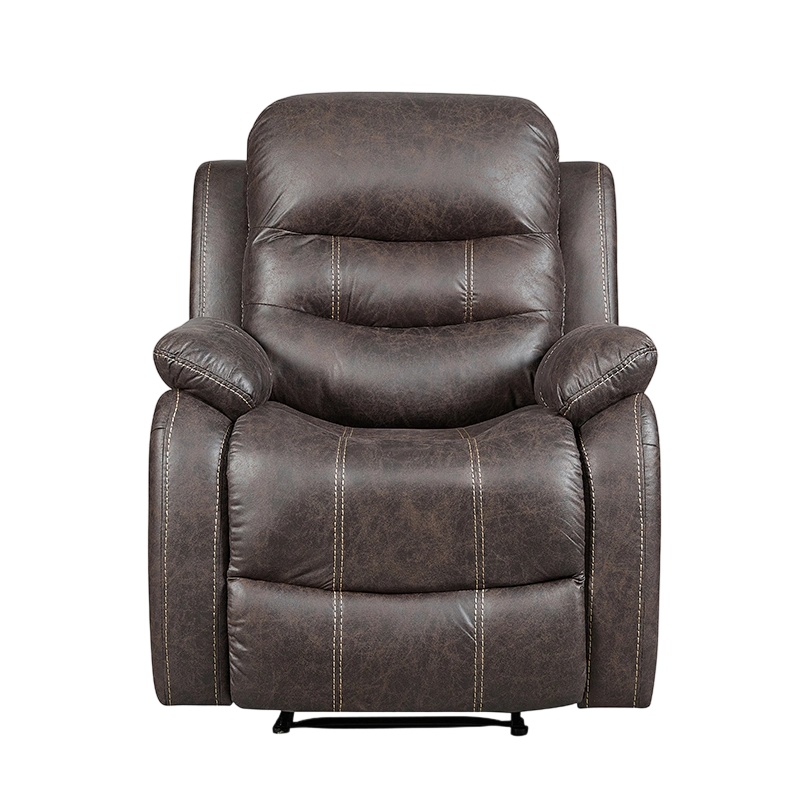
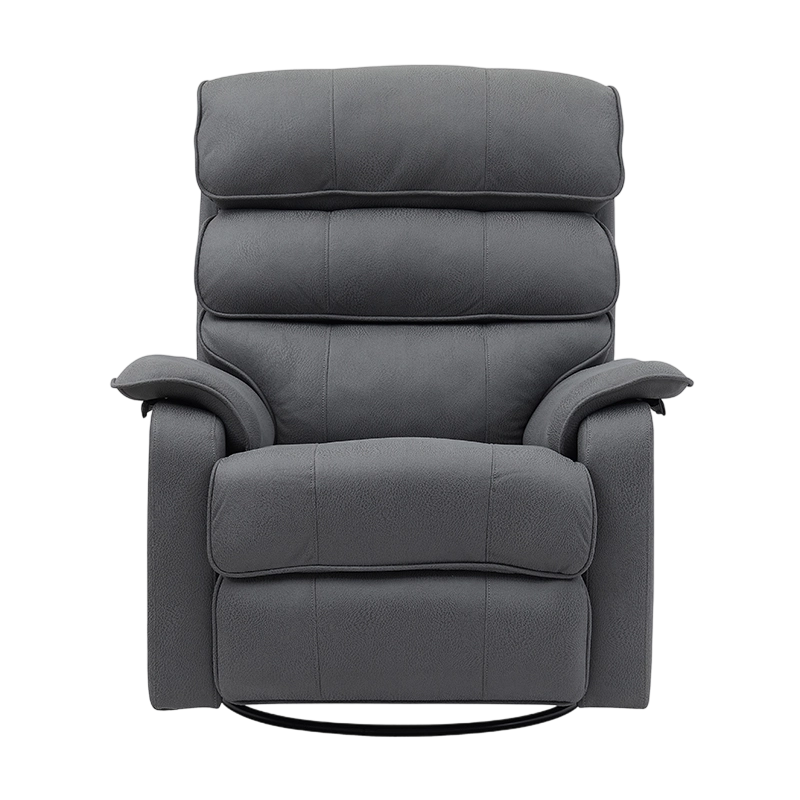
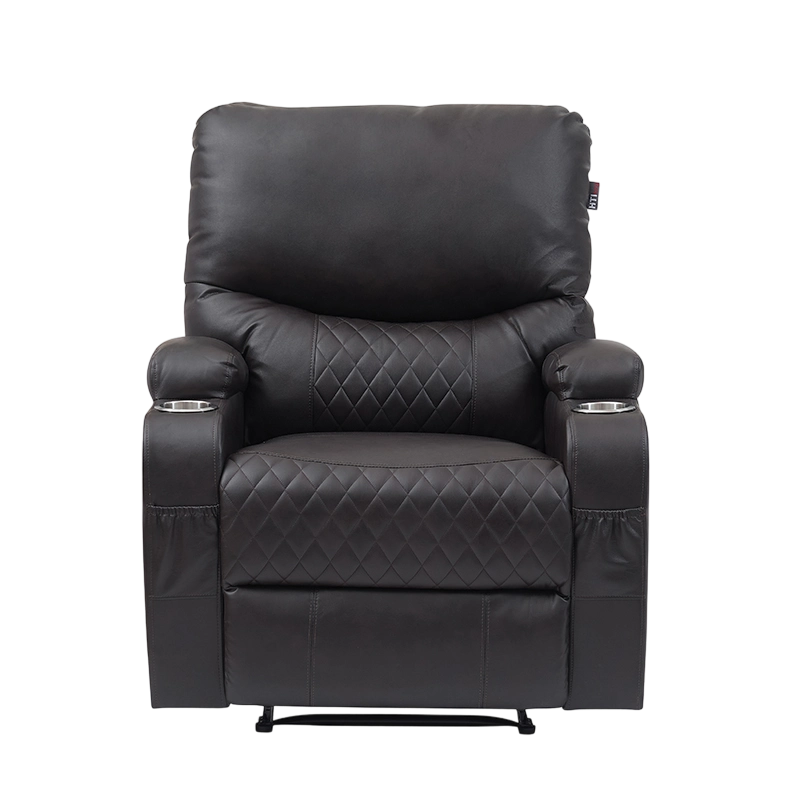
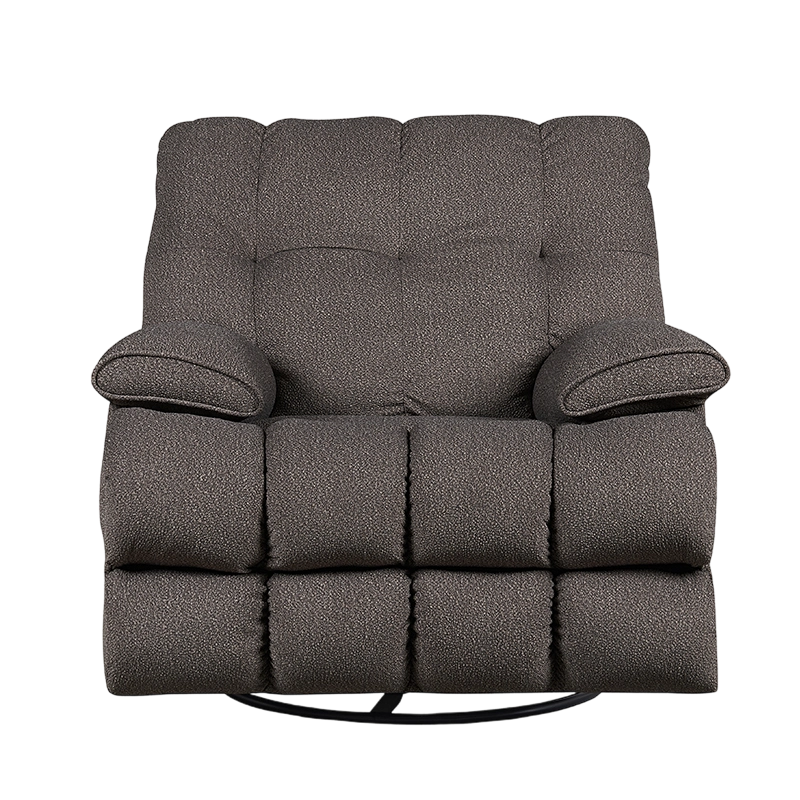
Product: White Manual Recliner Chair With Breathable Skin Comfortable Fabric


LET'S TALK

Bai Shuiwan Industrial Park, Tian Huangping Town, Anji County, Huzhou City, Zhejiang Province, China
More About Us 
-
+86 18257273741
-
[email protected]
CONTACT US
Copyright © Anji Xuanbo Household Co., Ltd. All Rights Reserved.
Custom Modern Upholstered Sofa Manufacturers


