Focus on the manufacturing and export of functional sofas
-
 +86 18257273741
-
 [email protected]

 English
 Español
Wang Qian — After-Sales Support Manager
 Home / Author / Wang Qian — After-Sales Support Manager / Extra Wide Power Lift Recliner Chair for Elderly: Comfort, Mobility, and Reliable Manufacturing
 Extra Wide Power Lift Recliner Chair for Elderly: Comfort, Mobility, and Reliable Manufacturing
 2026.08.07
 Wang Qian — After-Sales Support Manager
Content
- 1 What Is a Power Lift Recliner Chair?
- 2 Core Product Advantages
- 3 Materials and Upholstery Options
- 4 Designed for Older Adults and Users with Mobility Needs
- 5 Comparison with Conventional Recliners
- 6 Comparison with Sofas and Larger Seating Groups
- 7 Manufacturing Strengths of Anji Xuanbo Household Co., Ltd.
- 8 Production Process for a Functional Lift Recliner
- 9 Customization and OEM/ODM Potential
- 10 Export and International Supply Advantages
- 11 Installation, Placement, and Daily Use
- 12 Why the Product Is Competitive
- 13 Recommended Applications
- 14 Buyer Evaluation Checklist
- 15 Frequently Asked Questions
- 15.1 What is the main purpose of this power lift recliner?
- 15.2 Is the chair suitable only for elderly people?
- 15.3 How is the chair controlled?
- 15.4 Does the chair offer fixed reclining angles?
- 15.5 What are the assembled dimensions?
- 15.6 What materials provide the chair’s comfort?
- 15.7 What provides structural stability?
- 15.8 Is the motor noisy?
- 15.9 Can the upholstery color be customized?
- 15.10 Does the chair require assembly?
- 15.11 How should fabric surfaces be cleaned?
- 15.12 How should leather-match surfaces be maintained?
- 15.13 Can the chair be used in a senior living project?
- 15.14 What makes the manufacturer suitable for international buyers?
- 15.15 Can the product be coordinated with other furniture?
- 16 Conclusion
- 17 References
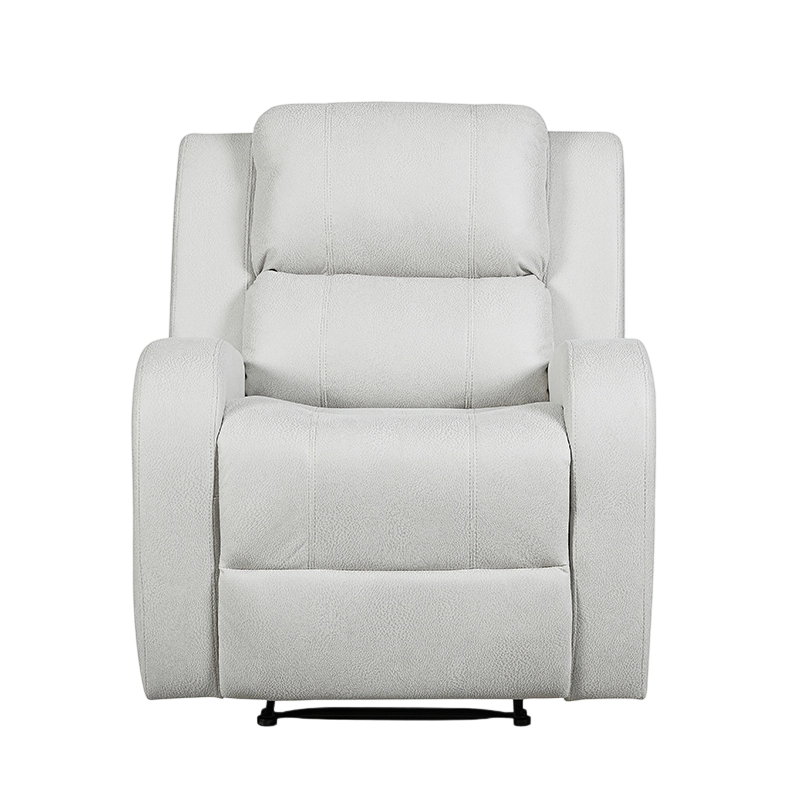
- 18 Product: Extra Wide Power Lift Recliner Chair for Elderly
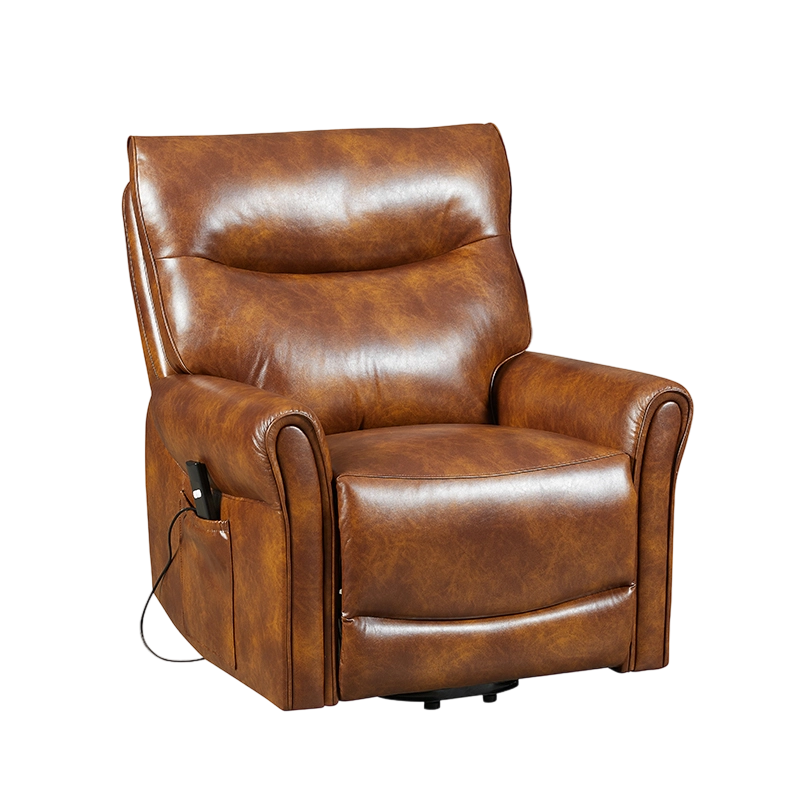
Choosing a chair for an older adult or for anyone living with limited mobility involves far more than selecting an attractive piece of furniture. A suitable chair must support the body, simplify daily movement, provide dependable operation, fit naturally into the home, and remain comfortable through extended periods of sitting. The Extra Wide Power Lift Recliner Chair for Elderly is designed around these practical requirements. It combines a spacious single-seat format with powered reclining, assisted lifting, supportive cushioning, a stable metal frame, and a simple wired controller.
This type of chair is especially valuable for people who find it difficult to sit down or stand up from a conventional sofa. Instead of requiring the user to push against the armrests or depend on another person for support, the powered lift mechanism gradually raises the chair to help the user reach a standing position. When relaxation is the priority, the same chair offers smooth, adjustable reclining for reading, watching television, resting, or taking a comfortable afternoon nap.
The product is also suitable for furniture distributors, retailers, hospitality projects, senior living environments, and private-label buyers seeking a functional chair with customization potential. Its camel leather appearance, adaptable color options, high-density cushioning, and contemporary silhouette allow it to serve both practical and decorative purposes. Behind the finished product is Anji Xuanbo Household Co., Ltd., a furniture manufacturer with capabilities covering design, research and development, wooden frame production, sponge processing, assembly, quality inspection, and export support.
Rather than treating a lift chair as a medical-looking device, this model presents assisted mobility in a modern upholstered form. Its functionality is integrated into a familiar lounge chair design, making it easier to place in living rooms, bedrooms, reading areas, and residential care settings.
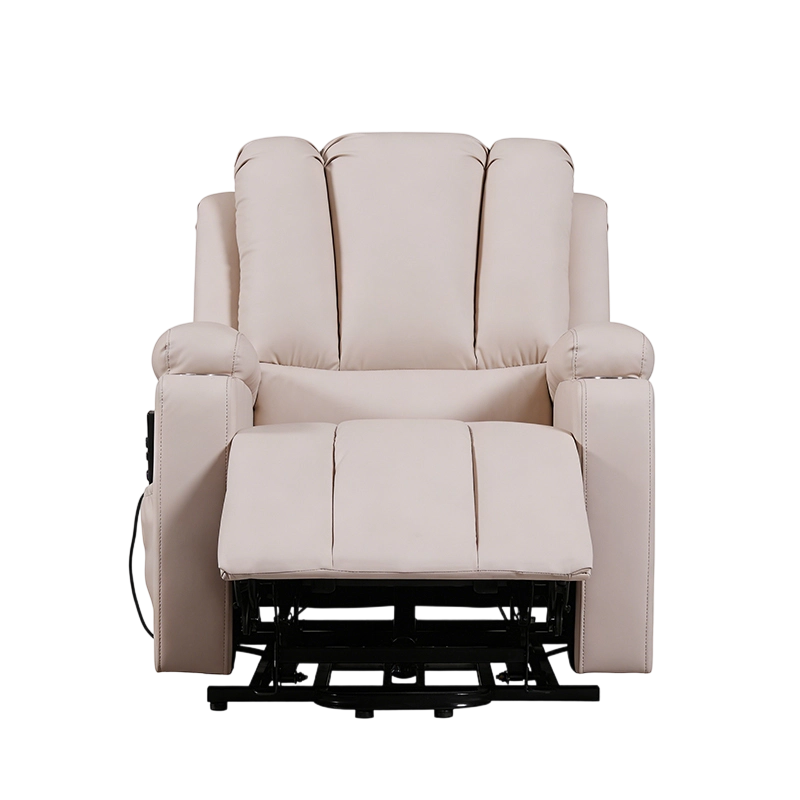
Extra Wide Power Lift Recliner Chair for Elderly
What Is a Power Lift Recliner Chair?
A power lift recliner is an upholstered chair equipped with an electric mechanism that assists with both reclining and standing. Traditional recliners typically allow a user to lean back, but they do not necessarily provide support when the user needs to get up. A lift recliner adds a forward-and-upward movement that changes the chair angle and raises the seated person into a more accessible standing position.
The Extra Wide Power Lift Recliner Chair for Elderly uses a two-button wired remote control. One button operates the lift function, while the other controls reclining. This arrangement is intentionally straightforward. Older users and people with limited hand dexterity may prefer large, uncomplicated controls instead of a complicated interface with multiple settings and small switches.
The wired controller can be stored in the attached side pocket when it is not being used. This keeps the controller close at hand and reduces the chance of it being misplaced under cushions or behind the chair. The side pocket can also be used to hold magazines, reading glasses, a television remote, or other small personal items.
Power operation also reduces the physical effort required to change positions. Manual recliners can demand a strong leg push, a firm grip, or repeated adjustment. By contrast, an electric motor provides a smooth transition between sitting, reclining, and lifting. The user can make gradual adjustments at the push of a button, which is useful when the chair is used frequently throughout the day.
Core Product Advantages
Spacious Single-Chair Design
The chair has assembled dimensions of approximately 32.3 inches in length, 35.8 inches in width, and 40.6 inches in height. Its generous seating format is intended to provide a more relaxed personal space than a narrow occasional chair. The extra-wide design can be helpful for users who prefer additional room around the shoulders, hips, and arms, or who want to sit with a relaxed posture while reading or watching television.
A wider seat can also make transfers more comfortable. When a person is moving from a wheelchair, walker, or standing position into the chair, a stable and open seating area may feel less restrictive than a compact recliner. The armrests provide useful points of orientation while the powered mechanism performs the larger movement of lifting and reclining.
Although the chair is spacious, its single-seat configuration allows it to fit into rooms where a larger sofa may not be practical. It can be placed beside a conventional sofa, used as a dedicated relaxation chair, or incorporated into a coordinated furniture collection. Retailers can also present it as an independent product for consumers who specifically search for mobility-supportive seating.
Infinite Reclining and Sitting Positions
The power reclining system supports infinite reclining and sitting positions within the chair’s operating range. This means that the user is not limited to one upright position and one fully reclined position. Instead, the chair can be adjusted to match different activities and body preferences.
An almost upright position may be appropriate for conversation or meals. A partially reclined angle can support television viewing, reading, or relaxed computer use. A deeper recline may be preferred for resting, listening to music, or relieving pressure from the lower body. The ability to make small adjustments can help users find a position that feels natural rather than settling for a fixed angle.
Continuous powered adjustment is also beneficial for caregivers and family members. A chair can be positioned according to the user’s changing needs without lifting or manually repositioning the entire piece. This can make everyday care routines less disruptive and more comfortable for everyone involved.
Assisted Standing Through a Silent Electric Motor
The lift function is one of the chair’s most important advantages. A silent electric motor supports a controlled lifting motion, helping the user move from a seated position toward standing. A quieter mechanism is particularly valuable in shared living spaces, bedrooms, and care environments where excessive mechanical noise can be distracting.
Smooth motor performance contributes to a more reassuring user experience. Sudden movement may cause anxiety or instability, especially for older adults. A gradual lift gives the user time to prepare, place their feet correctly, and maintain awareness of the changing chair position. The chair is not a replacement for professional medical equipment or personal assistance when such support is needed, but it can provide meaningful everyday mobility assistance.
The lift mechanism may also reduce the repeated strain associated with standing from a low, soft sofa. Over time, repeatedly pushing upward with the knees, hips, or arms can be tiring. Assisted lifting can make regular activities such as getting up for meals, answering the door, or moving to another room easier to manage.
Overstuffed Pillow Support
The backrest, seat, and armrests use an overstuffed pillow design. This creates a cushioned appearance while providing broad contact areas for the upper back, lower back, arms, and legs. The design is intended to feel welcoming rather than rigid, making the chair suitable for prolonged sitting.
Supportive softness is achieved through the combination of high-density foam and polyester fiber fill. High-density foam helps the cushion maintain its shape and resist rapid compression, while polyester fiber contributes to a softer, more comfortable surface feel. The result is a balance between structure and plushness.
The thick backrest is particularly important in a lift recliner. Users may spend long periods in the chair, so a thin or overly firm back can quickly become uncomfortable. A fuller backrest helps distribute body contact across a larger area. The padded armrests also provide a more comfortable place to rest the forearms while the chair is upright or reclined.
Stable Metal Frame Construction
A solid metal frame forms the structural foundation of the chair. The frame is designed to provide stability and strength as the chair supports the user during normal sitting, reclining, and lifting operations. Structural stability is especially important in a powered lift chair because the frame must accommodate both stationary weight and movement generated by the lift mechanism.
The frame also contributes to the chair’s long-term performance. A stable foundation helps keep the mechanism aligned and reduces unnecessary movement during operation. For distributors and commercial buyers, construction quality is an important consideration because the product may be used more frequently than an occasional decorative chair.
Frame construction works together with the upholstery, cushion materials, electrical components, and mechanical assembly. A successful lift chair depends on the integration of all these elements. Strong upholstery cannot compensate for a weak frame, and a durable frame alone cannot create a comfortable user experience. The product is therefore designed as a complete functional seating system rather than simply a padded chair with an added motor.
Materials and Upholstery Options
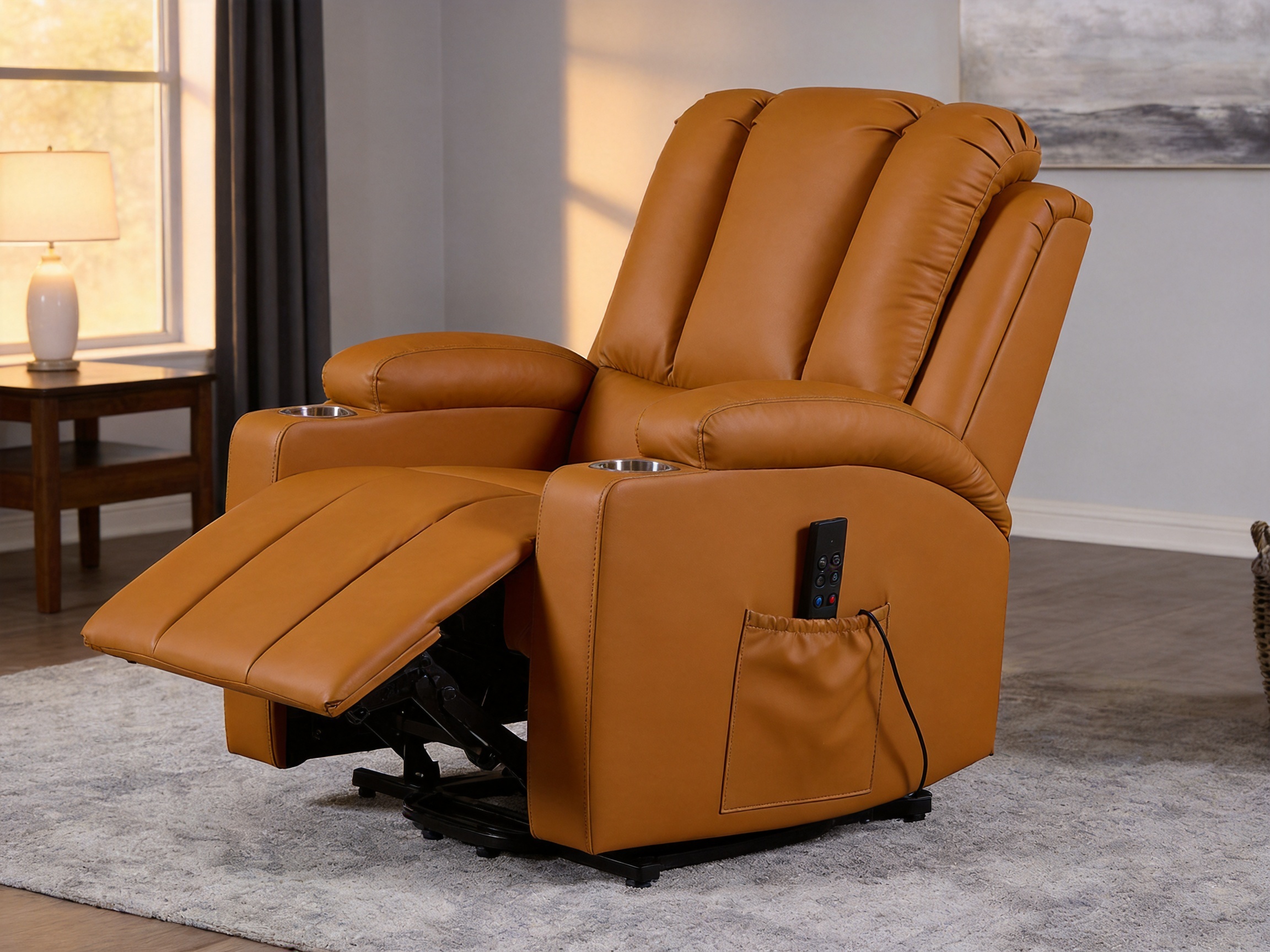
The supplied product specification identifies camel leather as the standard color and finish presentation, while also noting that custom colors are supported. This gives buyers the ability to select a warm neutral appearance for immediate product launches or request alternative colors for specific markets and collections.
Camel is a versatile furniture color. It can complement wood flooring, neutral walls, warm lighting, and contemporary interior schemes. It also presents a more residential appearance than many institutional mobility products. For retailers, this may make the chair easier to merchandise alongside sofas, love seats, occasional chairs, and other living-room furniture.
Custom color support can be useful for different channels. A private-label brand may request a color that matches its existing sofa collection. A senior living project may prefer a coordinated palette for different rooms. A hospitality buyer may need upholstery tones that align with a design concept. Color customization also allows distributors to respond to regional preferences without changing the fundamental structure of the product.
The care instructions distinguish between fabric and leather-match surfaces. Fabric cleaning code S indicates that a dry-cleaning solvent should be used, while leather-match cleaning code P recommends professional dry cleaning. Buyers should confirm the exact upholstery specification before communicating care requirements to end users. A spot test should always be performed before applying any cleaning product.
Furniture should be protected from direct sunlight, heating outlets, and air-conditioning outlets. Excessive or uneven exposure can affect color, surface condition, and material performance. Keeping the chair away from direct heat and strong airflow can help preserve its appearance and comfort over time.
Designed for Older Adults and Users with Mobility Needs
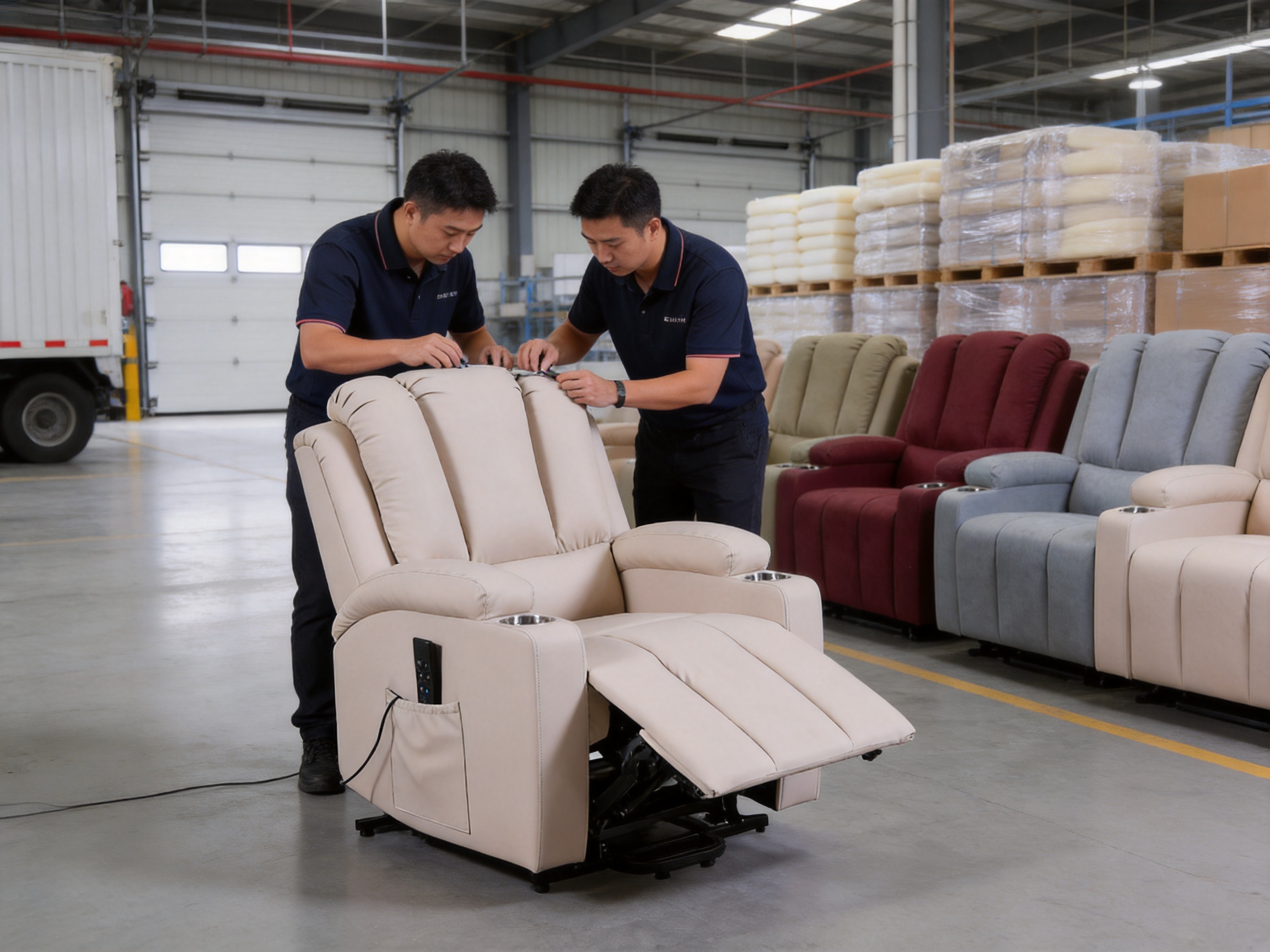
The chair’s primary audience includes elderly users, people recovering from physical fatigue, and individuals who experience difficulty changing between sitting and standing. It can also be appropriate for anyone who values a powered reclining experience and a spacious seat.
Accessibility begins with ease of use. The two-button remote avoids unnecessary complexity. The side pocket keeps the controls accessible. The power mechanism reduces the need for manual effort. The upright lift position can assist the transition from sitting to standing. These details work together to make the chair more approachable for people who may not be comfortable with complicated furniture mechanisms.
Comfort is equally important. A person who spends significant time seated needs more than a motorized base. The backrest, seat, and armrests must provide consistent support. High-resiliency foam, high-density sponge, and polyester fiber filling are used to create a cushioned seating experience that remains suitable for reading, resting, and social activities.
The chair may also support greater independence. Users who can safely operate the remote themselves may be able to adjust their position without waiting for a caregiver. Independence should always be considered alongside individual health conditions and professional advice, but a practical lift mechanism can make ordinary daily routines feel less demanding.
Family members and caregivers can benefit as well. When a chair provides controlled movement, it may reduce the need for repeated physical assistance. This does not eliminate the importance of supervision when required, but it can simplify common transitions and create a more organized seating area.
Comparison with Conventional Recliners
| Feature | Extra Wide Power Lift Recliner | Conventional Manual Recliner |
|---|---|---|
| Reclining operation | Powered adjustment through a wired controller | Usually operated by a lever, handle, or body weight |
| Standing assistance | Integrated powered lift function | Generally not included |
| Position adjustment | Infinite sitting and reclining positions within the operating range | Often limited to preset or manually controlled positions |
| User effort | Low physical effort during ordinary adjustment | May require leg, arm, or upper-body strength |
| Control access | Two-button wired remote stored in side pocket | Manual lever or external handle |
| Seating format | Extra-wide single chair | May vary from compact to standard width |
| Support system | Overstuffed back, seat, and armrests with high-density cushioning | Depends on individual model construction |
| Mobility suitability | Designed with older adults and mobility assistance in mind | Primarily designed for reclining comfort |
The most significant difference is that a conventional recliner focuses mainly on relaxation, while a power lift recliner combines relaxation with assisted mobility. A manual chair may be less expensive in some circumstances, but it can be unsuitable for users who lack the strength or balance needed to operate it. The powered model provides more functionality in one product, which can justify its position as a specialized comfort and accessibility chair.
Compared with smaller recliners, the extra-wide format offers a more open seating experience. Compared with a separate lift device and lounge chair, the integrated design keeps the functionality within one coordinated product. This can save space and create a more visually consistent room arrangement.
Comparison with Sofas and Larger Seating Groups
A sofa or love seat is useful for shared seating, but it may not provide individualized positioning or assisted standing. The Extra Wide Power Lift Recliner is intended for personal use. Its single-seat construction allows one user to control the exact recline angle without affecting anyone else sitting nearby.
This makes the chair a useful companion to a larger sofa. One family member may prefer to sit upright on the sofa, while another may need the lift chair’s powered support. The chair can be positioned as part of a living-room arrangement without requiring an entire furniture set to be replaced.
In a smaller home, the product can also serve as the primary relaxation seat. Its dimensions provide a generous personal area while remaining more compact than a full sofa. Buyers should measure doorways, corridors, elevators, and the intended room before ordering, particularly because assembly and final positioning need to be planned carefully.
Manufacturing Strengths of Anji Xuanbo Household Co., Ltd.
Anji Xuanbo Household Co., Ltd. was established in 2021 in Anji County, Huzhou City, Zhejiang Province. The area is widely known as the “Capital of Chair Industry,” providing access to furniture knowledge, component supply chains, skilled labor, and manufacturing infrastructure.
The company specializes in sofas and chairs, including functional sofas, fixed sofas, corner sofas, lounge chairs, recliner sofas, love seats, and leisure chairs. This broad product range is relevant to the lift recliner because it demonstrates experience across both fixed and functional upholstered furniture. A manufacturer working across multiple seating categories can apply shared knowledge in frame construction, foam selection, upholstery, mechanism integration, and comfort design.
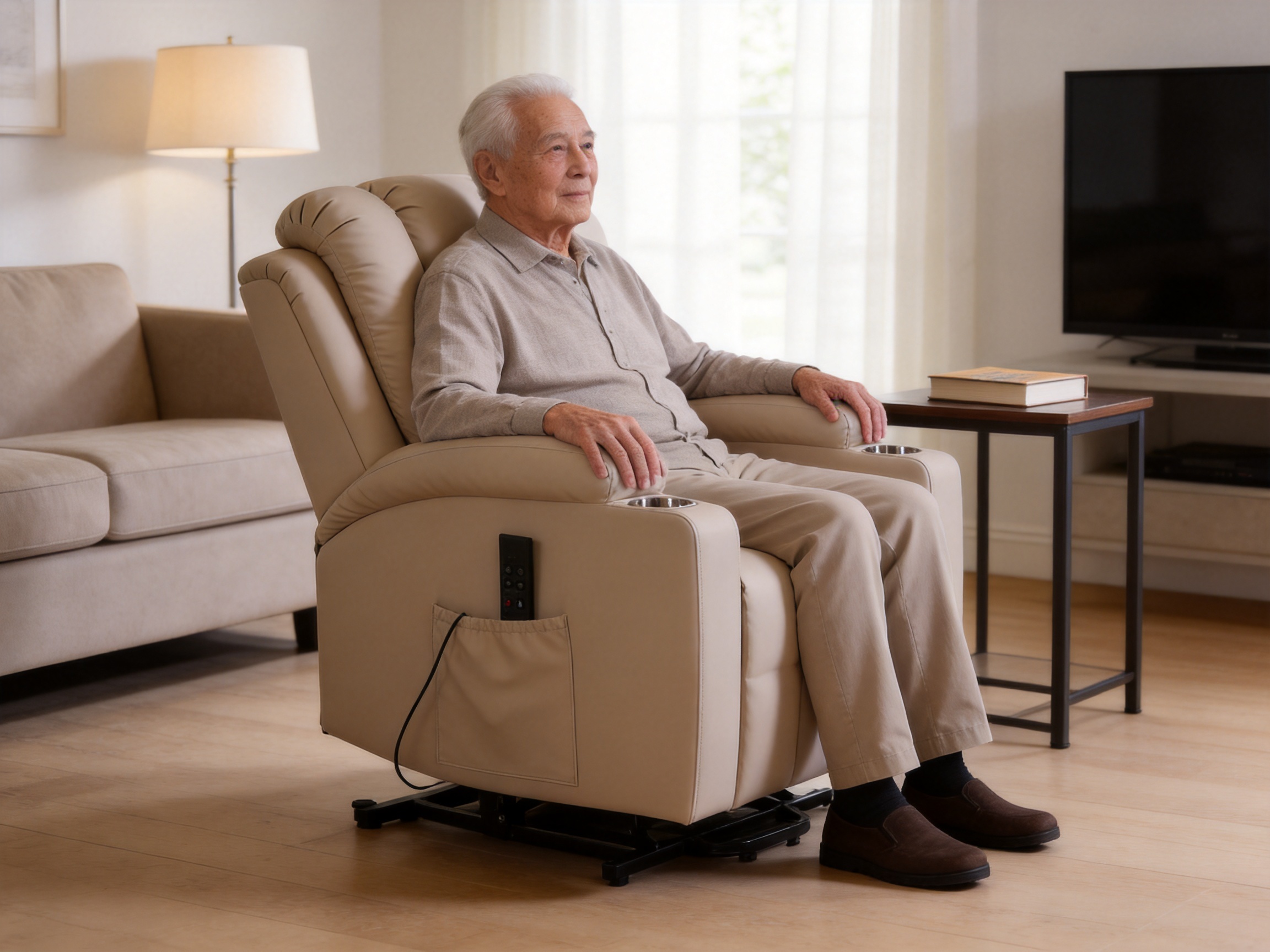
The factory covers approximately 8,000 square meters and employs more than 100 people. This scale supports a structured production environment while retaining the flexibility required for custom furniture development. The company integrates research and development, industrial design, large-scale manufacturing, independent marketing, and technical services.
Its own wooden frame factory and sponge processing plant provide important advantages in cost and capacity control. Vertical coordination can help the manufacturer manage material specifications, production schedules, component consistency, and communication between departments. It also allows product development teams to work more directly with the people responsible for manufacturing the underlying components.
For a power lift recliner, this integrated approach matters because comfort and mechanical performance must be coordinated. The frame must accommodate the lift structure. The sponge and foam must create a comfortable seat without interfering with movement. Upholstery must be cut and fitted around functional components. Production planning must also account for wiring, motor installation, controller placement, and final testing.
Research and Development Capability
The company’s research and development and industrial design capabilities support product improvement and customization. Furniture buyers increasingly seek designs that combine function with residential appeal. A lift chair should not appear disconnected from the rest of a home, and product development must therefore consider proportions, upholstery, cushion volume, side-pocket placement, and overall visual balance.
R&D also supports adaptation for international customers. Different markets may have varying preferences for color, seat width, cushion firmness, plug configuration, packaging, documentation, and regulatory expectations. A manufacturer with technical service and design resources is better positioned to discuss these requirements during product development.
Control Over Core Components
Control over wooden frame production and sponge processing gives the company a stronger foundation for managing key furniture components. Although this lift chair uses a solid metal frame, the company’s broader manufacturing capabilities remain relevant to its overall seating expertise. Understanding frame engineering, upholstery support, foam density, and load distribution is essential when developing stable and comfortable chairs.
Internal or closely managed component processing can also improve communication. If a customer requests a change in cushion thickness, upholstery color, seat dimensions, or collection styling, the manufacturer can coordinate the response across several production stages. This is especially helpful for buyers who want to create a family of products rather than purchase a single isolated item.
Multi-Stage Quality Inspection
The company emphasizes strict multi-stage quality inspection. For a functional recliner, quality control should involve more than checking the finished upholstery. The chair must be evaluated as a complete system, including visible appearance, seam quality, cushion filling, frame stability, motor operation, remote-control response, lift movement, reclining movement, and packaging condition.
Inspection at multiple stages can help identify issues before the product reaches final assembly. Components can be reviewed before being integrated, while completed chairs can be tested before shipment. This approach reduces the risk that an upholstery problem, loose connection, incomplete assembly step, or mechanical irregularity will remain undiscovered until delivery.
For international buyers, documented inspection procedures can also support more consistent purchasing. Repeat orders depend on reliable specifications and predictable output. A structured quality system helps connect the approved sample with later production batches.
Production Process for a Functional Lift Recliner
Product Design and Specification Review
Production begins with a clear specification. The manufacturer reviews dimensions, upholstery requirements, cushion construction, frame materials, motor configuration, controller arrangement, packaging, and assembly instructions. At this stage, practical details such as seat width, overall height, lift range, electrical components, and export-market needs can be coordinated.
A well-defined specification reduces uncertainty during manufacturing. It also gives buyers a reference point for evaluating samples and confirming that custom requests have been incorporated accurately.
Frame Preparation
The frame provides the basic support structure for the chair. In a power lift recliner, the frame and mechanism must work together to support both static seating and controlled movement. Components are prepared according to approved dimensions and assembly requirements.
Frame inspection may include checking alignment, connection points, stability, and compatibility with the reclining and lifting hardware. A properly prepared frame helps the finished product maintain a secure feel when the motor is operating.
Cushion and Foam Processing
High-density foam and high-resiliency foam cushions are prepared for the seat, backrest, and armrests. The foam must be shaped and fitted to create the intended comfort profile. Polyester fiber fill can be added to provide a softer, fuller surface and support the overstuffed pillow appearance.
Consistency is important during this stage. Cushions that vary significantly in density or filling can produce differences in comfort from one chair to another. Controlled processing helps maintain a more uniform product for distributors and end users.
Upholstery Cutting and Sewing
Upholstery components are cut according to the chair’s patterns and then sewn or prepared for installation. Functional furniture often requires more complex upholstery work than a fixed chair because the covering must accommodate moving sections and mechanical clearances.
Attention to seam alignment, tension, corner finishing, and attachment points influences both appearance and durability. A well-finished upholstered chair looks more refined in a retail showroom and is more likely to meet the expectations of customers purchasing premium functional seating.
Mechanism and Motor Installation
The electric motor and lift-recline mechanism are installed after the structural and upholstered components are prepared. Wiring must be routed carefully so that it remains secure and does not interfere with moving sections. The wired controller is positioned for convenient use, and the side pocket is attached within easy reach.
Motor installation requires careful attention to alignment and connections. The movement should be smooth, controlled, and appropriately quiet. The mechanism must operate through its intended range without excessive friction, obstruction, or unusual noise.
Final Assembly and Functional Testing
After the main components are assembled, the chair undergoes final inspection and functional testing. The lift and reclining functions can be operated repeatedly to confirm that the buttons respond correctly and that the chair transitions smoothly between positions.
Visual inspection should check upholstery appearance, cushion fullness, stitching, seams, armrest shape, side-pocket attachment, and overall symmetry. Structural inspection should confirm that the chair remains stable during operation. Packaging inspection should verify that vulnerable components are protected for transport.
Requires assembly is identified in the product information. Buyers should therefore ensure that clear assembly instructions are included and that end users understand the basic installation process. Commercial buyers may also choose to arrange professional assembly or offer assembly as an additional service.
Customization and OEM/ODM Potential
Custom colors are specifically supported, allowing buyers to adapt the camel leather presentation to their own market requirements. Customization may be especially valuable for retailers developing a coordinated living-room range that includes sofas, corner sofas, love seats, leisure chairs, and recliners.
Because the company integrates design, manufacturing, and technical services, it can discuss broader product requirements with buyers. Potential project topics may include upholstery selection, exterior styling, packaging, product labeling, collection coordination, and market-specific documentation. Each request should be evaluated against the product’s structure, safety requirements, mechanism compatibility, production volume, and lead-time expectations.
OEM and ODM cooperation can help buyers create differentiation. Instead of competing only on price with identical catalog products, a distributor may choose a unique color, customized upholstery combination, private-label packaging, or coordinated chair-and-sofa collection. Functional benefits such as power lifting and infinite reclining can then be presented within a product identity that is more relevant to the target market.
Customization should be managed through approved samples and written specifications. A buyer should confirm the exact material, color, dimensions, motor features, controller format, electrical requirements, carton markings, and quality standards before mass production. This helps ensure that the delivered product matches the commercial plan.
Export and International Supply Advantages
Anji Xuanbo exports products to North America, Europe, the Middle East, and other regions. Experience with international markets can support communication regarding packaging, documentation, logistics, product specifications, and customer expectations.
The company identifies convenient export logistics near Ningbo Beilun Port as one of its advantages. Access to an established port can help support international shipment planning. Freight schedules, container loading, customs documentation, and destination requirements still need to be coordinated for each order, but a favorable regional logistics position can simplify the supply chain.
International buyers should request complete product documentation before ordering. This may include assembly instructions, care instructions, electrical specifications, packaging details, inspection standards, and any certificates required for the destination market. Requirements can vary by country and product configuration, so verification should take place before production begins.
The chair’s export suitability also depends on how it is packaged. Padded upholstery, remote controls, motor components, and exposed edges should be protected during handling. Proper carton design and internal protection can reduce the chance of scratches, compression, or component damage during long-distance transportation.
Installation, Placement, and Daily Use
Before installation, buyers should inspect the packaging and confirm that all listed components are present. The chair should be assembled on a clean, level surface with enough room to access the underside and connect the required parts. Assembly should follow the manufacturer’s instructions rather than relying on improvised methods.
The chair should be placed where the lift and recline movement can occur without striking walls, tables, cabinets, or other furniture. Adequate clearance is important for both function and safety. The power cord should be arranged to minimize tripping hazards and should not be pinched by the chair mechanism.
Users should sit centrally in the chair and keep hands, feet, pets, and loose objects away from moving sections during operation. The remote control should be stored in the side pocket when not in use. Children should not operate the mechanism without appropriate supervision.
The lift function should be used on a stable floor. Users who have serious balance problems or medical restrictions should consult a qualified professional or caregiver regarding suitable use. The chair is designed to assist ordinary seating transitions, but it should not be treated as a substitute for individualized medical advice or a professional transfer device.
Regular care includes removing dust, responding quickly to spills, avoiding harsh chemicals, and following the appropriate upholstery cleaning code. Users should not saturate the cushions or apply unapproved liquids to electrical components. Periodic inspection of the cord, controller, visible connections, and mechanism area can help identify problems early.
Why the Product Is Competitive
The chair’s competitive value comes from the combination of features rather than from one isolated specification. It offers the spaciousness of an extra-wide personal seat, the relaxation of powered reclining, and the mobility support of a lift mechanism. It also includes a supportive overstuffed design, a stable metal frame, a silent electric motor, accessible controls, and custom color potential.
Many conventional chairs can provide comfort, but they may require manual effort to recline or stand. Some mobility-oriented chairs may provide assistance but have a clinical appearance that does not suit residential interiors. This product occupies a practical middle ground: it addresses mobility needs while maintaining the familiar look and feel of upholstered living-room furniture.
Its manufacturing support adds another competitive dimension. Buyers are not only purchasing a finished chair; they are working with a supplier that provides R&D, industrial design, internal component capabilities, technical services, quality inspection, and international export experience. These resources can be important when a buyer needs a stable supply of products, customized colors, or a broader furniture collection.
The chair is also competitive in merchandising terms. Retailers can present it to several customer groups: elderly consumers, families supporting aging relatives, people with mobility limitations, customers seeking a comfortable television chair, and buyers furnishing senior living spaces. Its function gives sales teams a clear value proposition, while its upholstered appearance makes it easier to display with other home furniture.
Recommended Applications
Residential Living Rooms
In a home living room, the chair can serve as a dedicated seat for an older family member or as a personal relaxation chair. Its single-seat format works beside a sofa or opposite a television. The powered mechanism allows the user to select an appropriate position without rearranging the room.
Bedrooms and Reading Areas
The chair can be used in a bedroom, library, or reading corner where a comfortable seat is needed. The side pocket provides a convenient location for books, magazines, and remote controls. Buyers should confirm that the room offers sufficient clearance for the chair’s movement.
Senior Living and Assisted Residential Environments
Senior living settings may benefit from chairs that combine comfort with easier position changes. The durable structural approach, simple controller, and supportive cushions make the product suitable for consideration in residential care environments, subject to the specific requirements of the facility and local regulations.
Retail and Private-Label Collections
Furniture retailers can include the chair in a functional seating category or coordinate it with sofas, love seats, and leisure chairs. Custom colors can support private-label collections and regional merchandising strategies.
Buyer Evaluation Checklist
Buyers should confirm the final product dimensions and compare them with the intended room layout. Doorway width, elevator access, stairways, and delivery routes should also be considered. A chair that fits in the room may still be difficult to deliver if access points are too narrow.
The upholstery specification should be documented clearly. Buyers should confirm whether the order uses leather match, fabric, or another approved surface, along with the applicable care instructions and color reference.
Motor and electrical requirements should be reviewed for the destination market. Buyers should request applicable technical information and verify compliance requirements before placing a production order.
Quality expectations should cover both appearance and operation. A written inspection standard may address stitching, color consistency, cushion shape, frame stability, remote-control response, lift movement, recline movement, noise level, packaging, and assembly completeness.
Customization requests should be approved through samples. Color images alone may not accurately represent upholstery appearance under different lighting conditions. A physical sample or approved reference is preferable when color consistency is commercially important.
Finally, buyers should discuss order quantity, lead time, packaging, shipping terms, spare components, warranty arrangements, and after-sales procedures. Clear communication before production can reduce avoidable misunderstandings and support a more reliable long-term partnership.
Frequently Asked Questions
What is the main purpose of this power lift recliner?
The main purpose is to combine comfortable reclining with assisted standing. The electric lift mechanism helps raise the chair toward a standing position, while the reclining function allows the user to adjust the chair for relaxation and rest.
Is the chair suitable only for elderly people?
No. It is designed with elderly users and people with mobility issues in mind, but anyone who wants a spacious powered recliner may use it. Suitability depends on the individual’s physical condition, room layout, and ability to operate the chair safely.
How is the chair controlled?
The chair uses a wired two-button remote control. The remote controls the lift and reclining functions and can be stored in the attached side pocket when not in use.
Does the chair offer fixed reclining angles?
The product information specifies infinite reclining and sitting positions within the chair’s operating range. Users can therefore make gradual adjustments instead of choosing only from a small number of preset positions.
What are the assembled dimensions?
The approximate assembled dimensions are 32.3 inches in length, 35.8 inches in width, and 40.6 inches in height. Buyers should verify final production measurements and confirm delivery access before ordering.
What materials provide the chair’s comfort?
The chair uses high-density foam, high-resiliency foam cushions, polyester fiber fill, and soft, odor-free high-density sponge. These materials support the overstuffed backrest, seat, and armrests.
What provides structural stability?
A solid metal frame provides the primary structural foundation. The frame is designed to support the chair during sitting, reclining, and powered lifting operations.
Is the motor noisy?
The product specification describes the electric motor as silent and intended to provide smooth lift function. Actual sound levels can depend on operating conditions, flooring, installation, and the surrounding environment.
Can the upholstery color be customized?
Yes. Camel leather is identified as the standard color presentation, and custom colors are supported. Custom material and color details should be confirmed with the manufacturer before production.
Does the chair require assembly?
Yes. The product information states that assembly is required. Buyers should follow the supplied instructions or arrange professional assembly when appropriate.
How should fabric surfaces be cleaned?
The listed fabric cleaning code is S, which indicates cleaning with dry-cleaning solvent only. A spot test should always be performed first, and users should follow the final care instructions supplied with the exact upholstery configuration.
How should leather-match surfaces be maintained?
The listed leather-match cleaning code is P, for which professional dry cleaning is recommended. Direct sunlight, heating outlets, and air-conditioning outlets should be avoided to help protect the furniture.
Can the chair be used in a senior living project?
It may be considered for senior living or assisted residential environments because it combines powered lift support, simple controls, and cushioned seating. The facility should evaluate the product against its own safety, accessibility, electrical, cleaning, and operational requirements.
What makes the manufacturer suitable for international buyers?
Anji Xuanbo Household Co., Ltd. provides R&D, industrial design, manufacturing, technical services, multi-stage quality inspection, customization support, and export experience. The company serves markets including North America, Europe, and the Middle East and has logistics access near Ningbo Beilun Port.
Can the product be coordinated with other furniture?
Yes. The manufacturer produces functional sofas, fixed sofas, corner sofas, lounge chairs, recliner sofas, love seats, and leisure chairs. This broader product range can support coordinated furniture collections and private-label programs.
Conclusion
The Extra Wide Power Lift Recliner Chair for Elderly is a functional seating solution developed for comfort, relaxation, and easier daily mobility. Its powered lift function helps users transition toward standing, while infinite reclining positions provide flexibility for reading, television viewing, resting, and conversation. The spacious seat, thick backrest, overstuffed armrests, high-density cushioning, stable metal frame, quiet motor, and accessible wired remote create a balanced combination of comfort and practical support.
Its advantages extend beyond the chair itself. The manufacturer combines product design, research and development, component capabilities, large-scale production, technical service, and multi-stage inspection. Its factory location in Anji, its approximately 8,000-square-meter facility, its experienced workforce, and its export-oriented logistics position provide a foundation for serving international furniture buyers.
For retailers, distributors, care environments, and private-label brands, the product offers a strong platform for functional seating programs. Custom color support can help align the chair with local preferences or broader furniture collections. With proper installation, suitable placement, routine care, and responsible operation, this lift recliner can provide a more comfortable and accessible seating experience for many homes and commercial environments.
References
1. Product specification for Extra Wide Power Lift Recliner Chair for Elderly, internal manufacturer product information.
2. Upholstery and furniture care guidance, fabric cleaning code S and leather-match cleaning code P.
3. General principles of ergonomic seating design and posture support in residential furniture.
4. General guidance for powered recliner operation, furniture placement, and electrical product handling.
5. Manufacturer company profile and production capability information for Anji Xuanbo Household Co., Ltd.
6. General furniture quality-control practices covering frame inspection, upholstery inspection, mechanism testing, and export packaging.
Product: Extra Wide Power Lift Recliner Chair for Elderly

LET'S TALK

Bai Shuiwan Industrial Park, Tian Huangping Town, Anji County, Huzhou City, Zhejiang Province, China
More About Us 
-
+86 18257273741
-
[email protected]
CONTACT US
Copyright © Anji Xuanbo Household Co., Ltd. All Rights Reserved.
Custom Modern Upholstered Sofa Manufacturers


