Focus on the manufacturing and export of functional sofas
-
 +86 18257273741
-
 [email protected]

 English
 Español
Zhao Xinyi — Product Sales Consultant
 Home / Author / Zhao Xinyi — Product Sales Consultant / Classic Manual Recliner Chair with Overstuffed Comfort for Everyday Living
 Classic Manual Recliner Chair with Overstuffed Comfort for Everyday Living
 2026.06.10
 Zhao Xinyi — Product Sales Consultant
Content
- 1 Product Overview
- 2 Key Specifications
- 3 Comfort Designed for Daily Relaxation
- 4 Manual Reclining Function: Simple, Reliable, and Practical
- 5 Traditional Style with Modern Living Flexibility
- 6 Applications in Different Spaces
- 7 Advantages over Ordinary Recliner Chairs
- 8 Manufacturing Strength behind the Product
- 9 Advanced Production Process
- 10 Quality Control and International Market Readiness
- 11 Comfort Engineering: Balancing Softness and Support
- 12 Microfiber Upholstery and Care
- 13 Why This Recliner Works for Retailers and Wholesalers
- 14 Comparison with Common Alternatives
- 15 Sustainability through Durability and Efficient Manufacturing
- 16 Buying Considerations for End Users
- 17 Procurement Considerations for Business Buyers
- 18 Q&A Section
- 18.1 Q1: What type of customer is this manual recliner best suited for?
- 18.2 Q2: What is the main advantage of a manual recliner compared with a power recliner?
- 18.3 Q3: How far can the chair recline?
- 18.4 Q4: What is the weight capacity?
- 18.5 Q5: What materials are used in the chair?
- 18.6 Q6: Is the color customizable?
- 18.7 Q7: How should the footrest be closed correctly?
- 18.8 Q8: How should the microfiber fabric be cleaned?
- 18.9 Q9: Why is the reinforced frame important?
- 18.10 Q10: What makes the manufacturer suitable for international buyers?
- 19 Conclusion
- 20 References
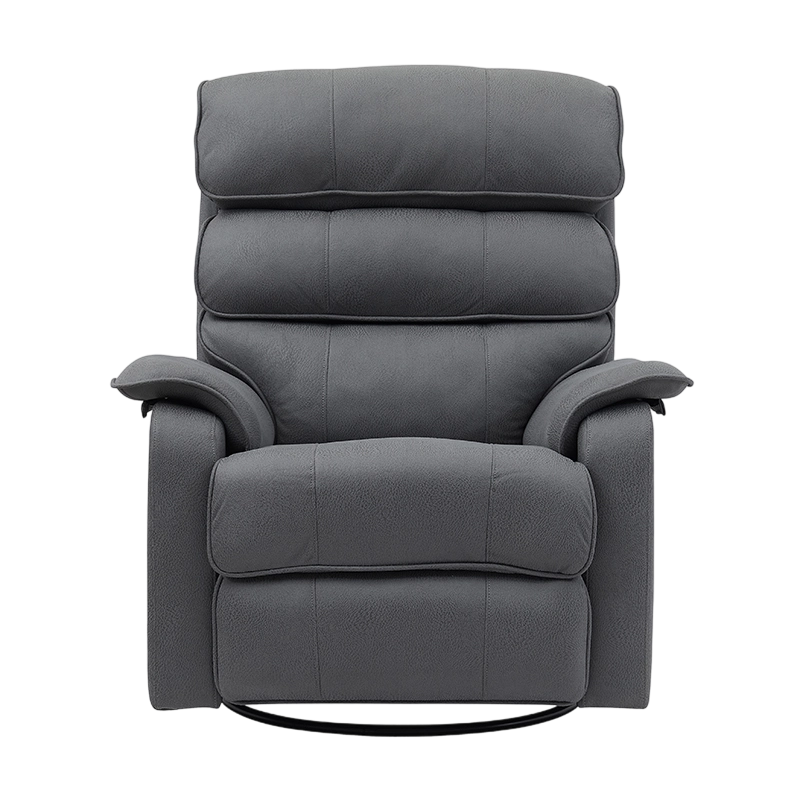
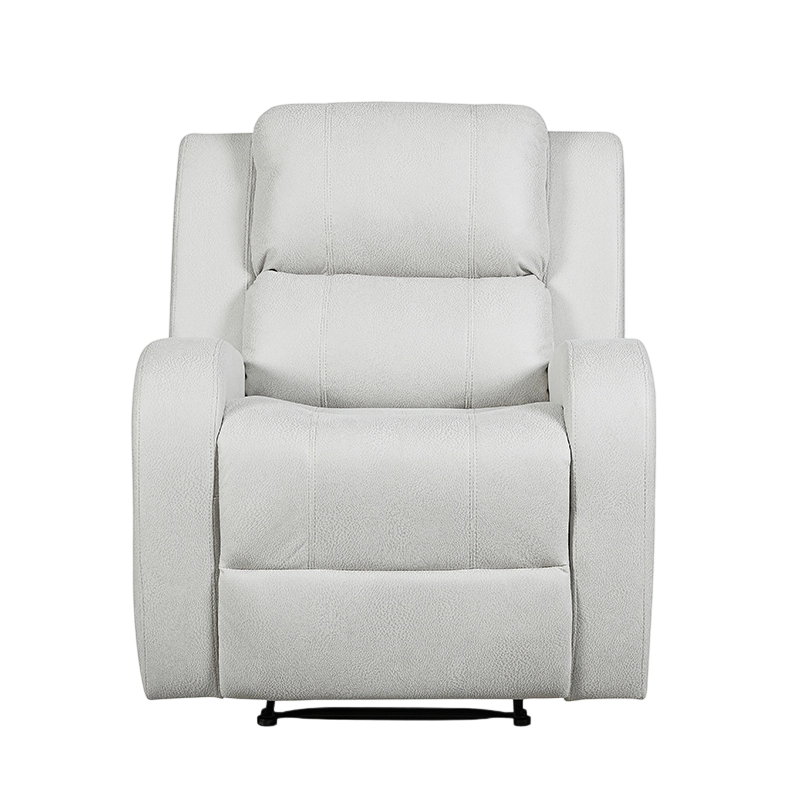
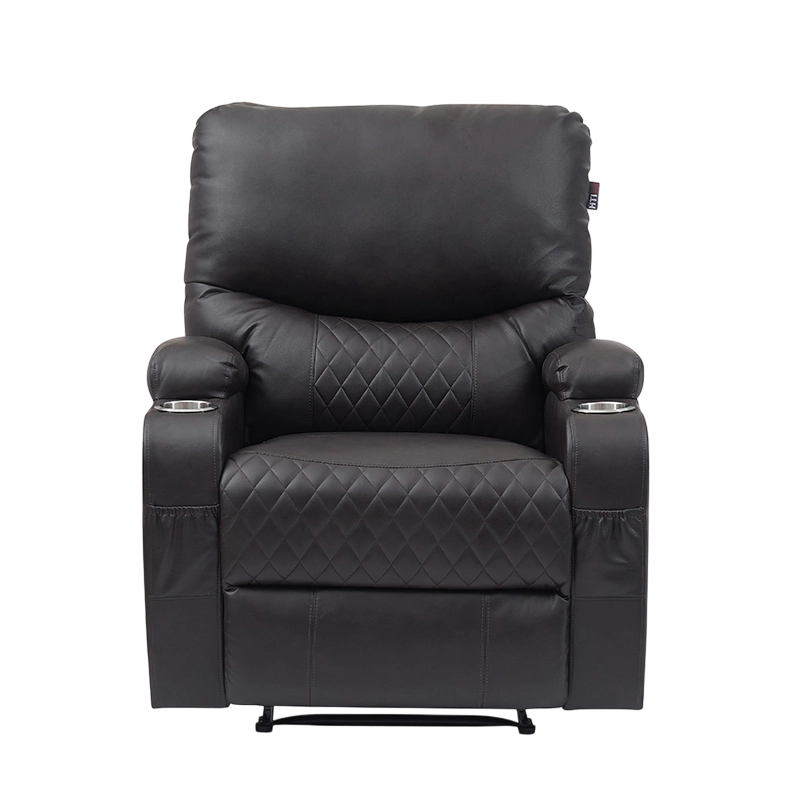
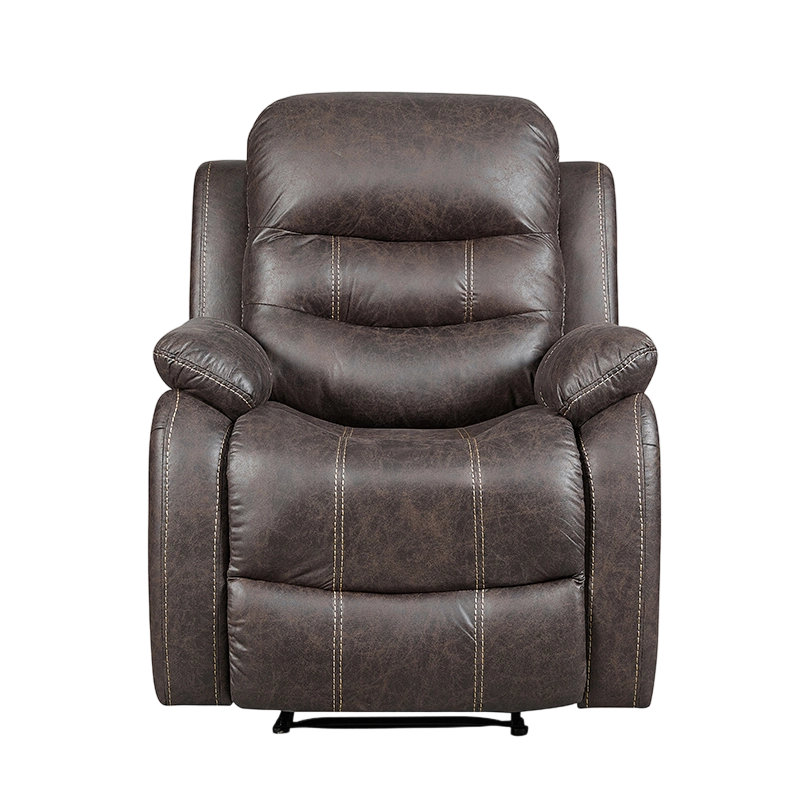
- 21 Product: Classic and Traditional Manual Recliner Chair with Overstuffed Arms and Back
A manual recliner chair is more than a single seat. It is a personal relaxation zone, a practical piece of home furniture, and a long-term comfort investment for living rooms, home theaters, bedrooms, studies, nurseries, and meeting spaces. The Classic and Traditional Manual Recliner Chair with Overstuffed Arms and Back is designed for customers who value dependable support, soft seating comfort, a familiar traditional appearance, and a convenient reclining function without unnecessary complexity.
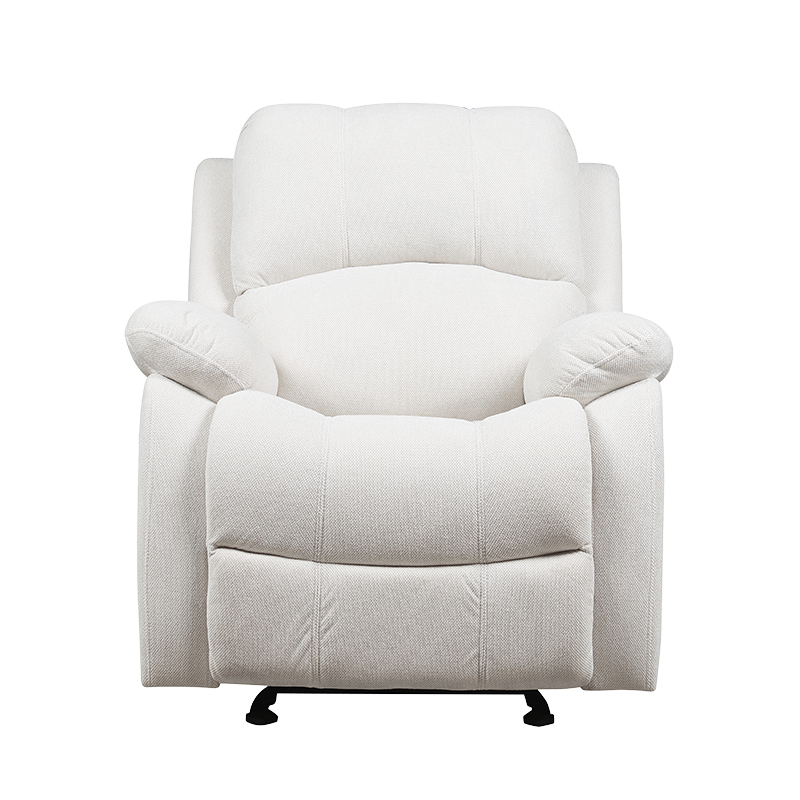
This product combines a sturdy metal structure, a heavy-duty steel reinforced frame, comfortable microfiber upholstery, supportive cushioning, overstuffed arms, and a full lay-flat reclining position of up to 165 degrees. Its brown color gives it a warm and classic look, while custom color options make it suitable for different interior design styles and commercial purchasing needs. With a size of 32.7 inches wide, 37 inches deep, and 39.8 inches high, it offers a balanced footprint that feels generous without becoming difficult to place in common residential spaces.
The chair is especially attractive for buyers looking for a traditional Americana style recliner that provides reliable comfort for reading, television watching, resting, conversation, and casual entertainment. It is built for a weight capacity of up to 350 pounds, making it a practical choice for a wide range of users. Unlike complicated power recliners that depend on motors, cables, buttons, and electrical access, this manual recliner emphasizes simple operation, mechanical reliability, and everyday convenience.
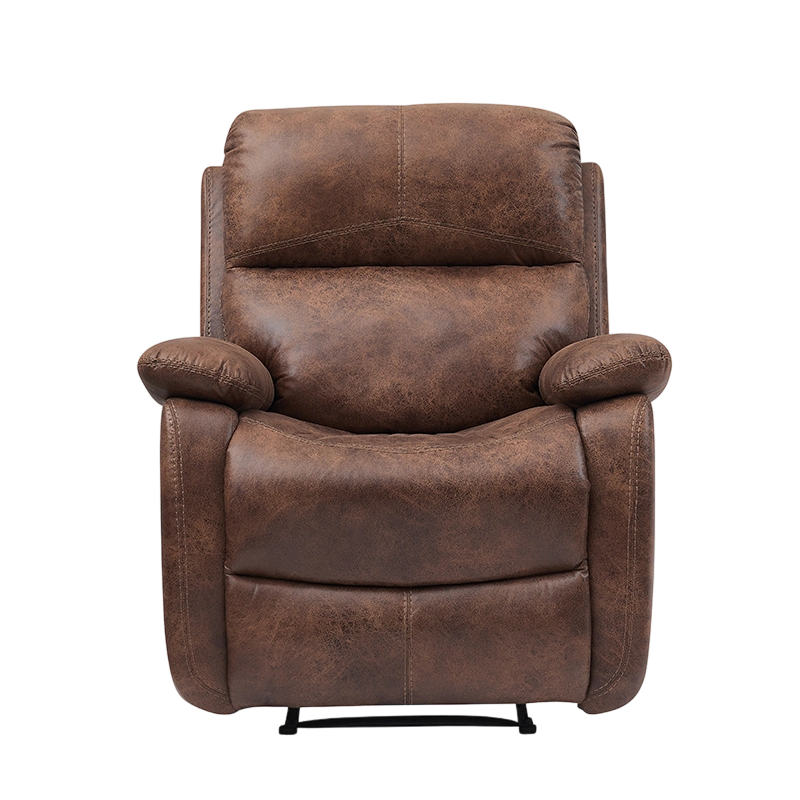
Classic and Traditional Manual Recliner Chair with Overstuffed Arms and Back
Product Overview
The Classic and Traditional Manual Recliner Chair is a one-piece reclining chair designed around three core priorities: comfort, durability, and usability. Its overstuffed backrest creates a soft and enveloping feel, while the padded arms support the forearms and elbows during long sitting sessions. The seat is constructed to be both soft and supportive, helping users relax without feeling that they are sinking too deeply into the chair.
The chair can recline to a full 165-degree lay-flat position, allowing users to shift from upright sitting to a deeply relaxed posture. This makes it useful for watching movies, reading in the evening, taking short naps, recovering after a long workday, or creating a quiet resting area in a nursery or bedroom. The adjustable footrest helps users find a comfortable position for the legs, reducing the feeling of pressure from prolonged sitting.
The upholstery is made from comfortable microfiber fabric. Microfiber is valued in upholstered seating because it has a soft hand feel, a warm surface texture, and a practical appearance. It also supports the classic look of the chair by creating a rich and inviting surface. The fabric care requirement is dry cleaning solvent only, with care taken not to saturate the material with water. Pile fabrics may need brushing to restore their original appearance after use.
The frame uses sturdy metal support and heavy-duty steel reinforcement. This is an important advantage for long-term use because a recliner experiences more movement and mechanical stress than a fixed chair. A fixed armchair only supports static sitting, while a recliner must support repeated transitions between upright, reclining, and footrest positions. A reinforced structure helps preserve function, stability, and user confidence over time.
Key Specifications
| Feature | Specification | User Benefit |
|---|---|---|
| Product Type | Manual Recliner Chair | Simple operation without electrical dependence |
| Style | Classic and Traditional Americana Style | Fits warm, familiar, and timeless interiors |
| Color | Brown with custom color support | Suitable for standard and customized furniture programs |
| Reclining Angle | Up to 165-degree lay-flat position | Supports reading, television viewing, and resting |
| Frame | Sturdy metal and steel reinforced structure | Improves strength, stability, and service life |
| Upholstery | Comfortable microfiber fabric | Soft touch and inviting appearance |
| Dimensions | 32.7W x 37D x 39.8H inches | Comfortable size for living rooms, bedrooms, and studies |
| Weight Capacity | 350 pounds | Reliable support for a broad user range |
| Application | Living room, home theater, meeting room, bedroom, study, nursery | Flexible placement for residential and commercial needs |
Comfort Designed for Daily Relaxation
Comfort is the first reason most customers choose a recliner. A well-designed recliner must provide a comfortable sitting experience during short use and remain supportive during extended relaxation. This manual recliner addresses both needs through its soft backrest, cushioned seat, overstuffed arms, and adjustable footrest.
The overstuffed backrest is one of the most noticeable comfort features. It creates a plush surface that supports the upper body and encourages a relaxed posture. Unlike thin-backed chairs that can feel hard after extended use, an overstuffed back helps distribute pressure across a wider area. This is especially valuable when users spend time watching television, reading, or sitting with family for long conversations.
The seat is designed to be soft yet supportive. This balance matters because a seat that is too hard may create pressure points, while a seat that is too soft may fail to support posture. The ideal recliner seat allows the body to relax while maintaining enough structure to prevent discomfort. The chair’s supportive seat construction helps meet this requirement for everyday use.
The padded arms add another layer of comfort. Many users naturally rest their arms while reclining, reading, or using a phone. Overstuffed arms provide a comfortable place to rest the forearms, reducing fatigue in the shoulders and upper body. In comparison with narrow or lightly padded arms often found on low-cost seating, this chair offers a more complete relaxation experience.
The adjustable footrest is also essential. When the legs are extended, the body can shift into a more restful position. The footrest is useful not only for naps but also for casual entertainment, reading, and quiet evenings. Users can sit upright when speaking with guests, partially recline while watching television, or move into a near lay-flat position for deeper rest.
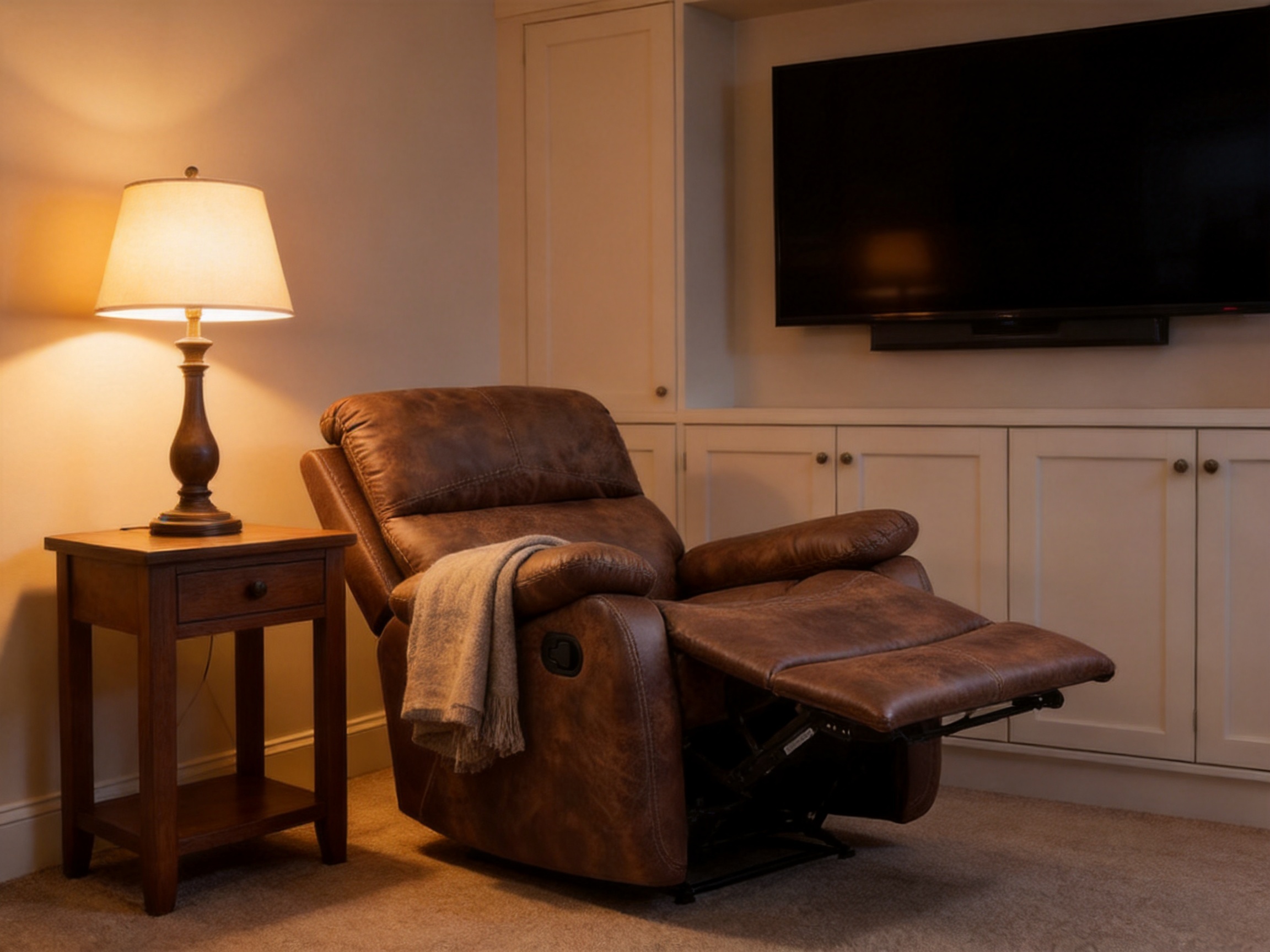
Manual Reclining Function: Simple, Reliable, and Practical
Manual reclining has a distinct advantage in many homes and commercial spaces. It does not require a power outlet, does not depend on electrical components, and is often easier to maintain over time. This makes the chair practical for rooms where outlet access is limited, for buyers who want straightforward function, and for furniture programs that require lower service complexity.
Electric recliners can be attractive, but they introduce additional concerns. Motors, control buttons, wiring, transformers, and electrical connections can increase cost and maintenance needs. A manual recliner avoids these complications while still delivering the core benefit of adjustable relaxation. For many users, the ability to recline smoothly and rest comfortably is more important than powered movement.
The chair reaches a 165-degree lay-flat position, which is generous for a manual recliner. This wide reclining angle allows users to move beyond basic leaning and into a deeply restful posture. A recliner that only offers a limited angle may be acceptable for short sitting, but it may not provide the full comfort expected from a relaxation chair. The broader range of motion gives this product a competitive advantage in the manual recliner category.
For proper footrest retraction, the user should sit forward, lean slightly forward, and press the middle of the footrest with the heels. This method reduces unnecessary effort and helps the mechanism close correctly. Providing a clear and labor-saving footrest retracting method shows attention to real user experience. A recliner is not only about initial comfort; it must also be easy to operate repeatedly in daily life.
Traditional Style with Modern Living Flexibility
The product’s classic and traditional Americana style is one of its strongest visual advantages. Many modern homes include clean lines, neutral walls, wood textures, and warm lighting. A traditional recliner in brown microfiber can fit naturally into these spaces because it provides visual warmth without appearing overly decorative. It can also complement rustic, farmhouse, transitional, casual, and family-oriented interior designs.
Brown remains one of the most practical upholstery colors for recliners. It conveys warmth, stability, and comfort. It also pairs well with wood furniture, beige carpets, cream walls, leather accents, darker entertainment units, and neutral sofa sets. For furniture retailers and wholesalers, brown is a safe and popular color because it appeals to a wide customer base.
At the same time, the chair supports custom color options. This is important for buyers who need product differentiation, regional color preferences, private-label collections, or customized interior projects. A distributor may want a lighter neutral version for a modern apartment market, while a hospitality buyer may prefer darker tones for stain concealment and long-term visual consistency. Customization expands the commercial value of the product beyond one standard version.
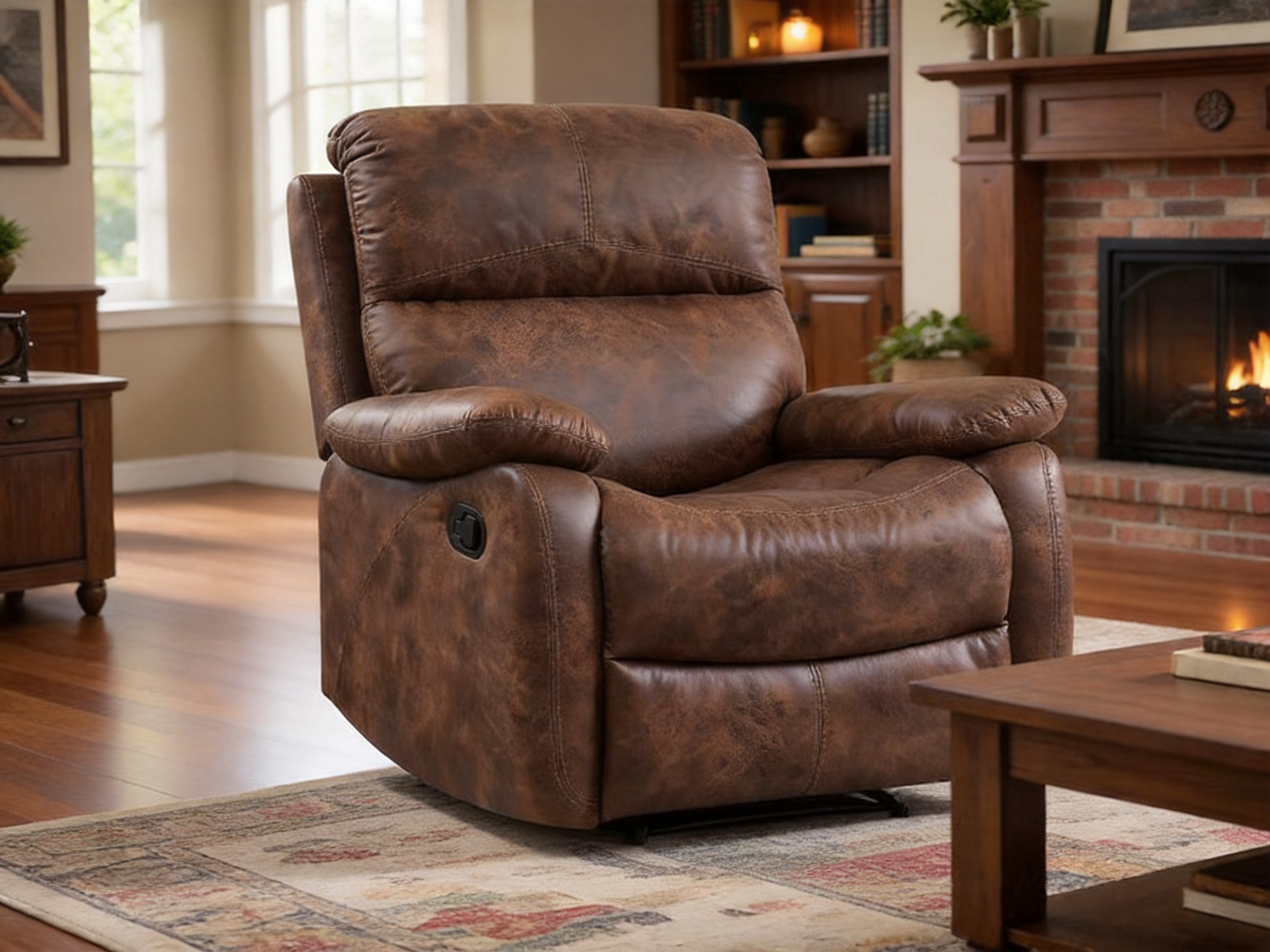
The chair’s dimensions also support flexible placement. At 32.7 inches wide, it provides a comfortable seat without consuming excessive room width. At 37 inches deep and 39.8 inches high, it has enough scale to feel substantial while remaining suitable for living rooms, bedrooms, studies, nurseries, and media rooms. This makes it easier for retailers to market the chair to multiple consumer groups.
Applications in Different Spaces
In a living room, the recliner can serve as a primary relaxation seat next to a sofa or sectional. It gives one family member a dedicated place to unwind while still participating in shared activities. The traditional look can soften a living room and create a welcoming atmosphere.
In a home theater, the chair provides the comfort needed for long movies, sports events, and gaming sessions. The adjustable footrest and reclining back help users maintain a relaxed position for extended viewing. Compared with ordinary accent chairs, this recliner is better suited to entertainment spaces because it supports multiple seating angles.
In a bedroom, the chair can create a quiet corner for reading, resting, or preparing for sleep. Many people prefer not to sit on the bed during the day, and a recliner offers a more supportive alternative. Its lay-flat capability also makes it useful for short naps.
In a nursery, a comfortable recliner can support caregivers during feeding, soothing, and resting. The soft arms and back can reduce fatigue during repeated use. While nursery seating often emphasizes gentle comfort, durability is also important because the chair may be used daily for long periods.
In a study, the chair provides an alternative to an office chair. It is not intended to replace task seating at a desk, but it works well for reading, thinking, taking breaks, or enjoying quiet time away from work equipment.
In meeting rooms or informal commercial spaces, the chair can create a more relaxed environment. Businesses that want comfortable waiting areas, private lounges, or hospitality-style meeting corners can use recliners to improve the visitor experience.
Advantages over Ordinary Recliner Chairs
The manual recliner market includes many basic products, but not all offer the same balance of comfort, structure, and style. This chair stands out through its combination of reinforced construction, 165-degree reclining capability, overstuffed comfort, microfiber upholstery, and customization potential.
One major advantage is the heavy-duty steel reinforced frame. Lower-cost recliners may rely on lighter internal structures that feel acceptable at first but weaken with repeated use. Recliners must handle dynamic movement, body weight shifts, and footrest operation. Reinforcement improves confidence and helps the product perform consistently over time.
Another advantage is the generous weight capacity of 350 pounds. This specification supports broader usability and helps buyers feel more secure about durability. For retailers, a higher capacity can reduce customer concerns and make the product easier to recommend.
The 165-degree lay-flat position is also a strong selling point. Many entry-level manual recliners offer only moderate recline angles. A deeper recline improves the relaxation experience and creates a clearer distinction from standard armchairs. Customers looking specifically for rest and leisure will recognize the value of a recliner that can move close to a flat position.
The overstuffed arms and back provide a more premium comfort impression than thin, compact designs. While minimalist recliners may save space, they often sacrifice the plush feeling that many recliner customers expect. This product embraces the classic recliner identity: soft, supportive, substantial, and inviting.
Microfiber upholstery is another competitive strength. It provides a comfortable surface and helps support a cozy appearance. Compared with some synthetic surfaces that may feel cold or less breathable, microfiber creates a warmer tactile experience. It also works well with traditional styling.
Finally, the chair’s customization support gives it advantages for business buyers. Many manufacturers offer fixed designs with limited flexibility. A supplier capable of custom colors and large-scale production can better support wholesalers, retailers, project buyers, and private-label programs.
Manufacturing Strength behind the Product
A comfortable recliner depends not only on visible design but also on manufacturing discipline. The internal frame, foam shaping, upholstery cutting, sewing accuracy, assembly process, and quality inspection all influence final performance. This product is supported by a manufacturer with integrated capabilities in design, production, quality control, and export service.
Anji Xuanbo Household Co., Ltd. is located in Anji County, Huzhou City, Zhejiang Province, an area known for its strong chair and seating furniture industry. The company specializes in sofas and chairs and integrates research and development, industrial design, large-scale manufacturing, independent marketing, and technical service. Its product range includes functional sofas, fixed sofas, corner sofas, lounge chairs, recliner sofas, love seats, and leisure chairs.
The factory covers approximately 8,000 square meters and has more than 100 employees. This scale supports stable production capacity while still allowing flexible customization. For overseas buyers, factory scale matters because it affects lead time, repeat order consistency, sample development speed, and the ability to handle seasonal demand.
A major manufacturing advantage is the company’s full-chain cost and capacity control. With its own wooden frame factory and sponge processing plant, the company can better manage core furniture components. Although this particular manual recliner emphasizes a metal and steel reinforced structure, the broader integrated supply capability reflects a deeper manufacturing foundation. Control over frames, sponge, and upholstery processes helps stabilize quality and cost.
Strong research and development capabilities allow the manufacturer to adjust products according to market needs. Seating preferences vary across regions. North American customers may prefer larger proportions and deep reclining comfort. European buyers may emphasize efficient packaging, clean appearance, and compliance with market requirements. Middle Eastern customers may request specific colors, fabrics, or comfort levels. A manufacturer with design and development experience can respond more effectively to these differences.
Professional management is also important. Furniture production involves many steps, and each step must be coordinated. Materials must arrive on time, cutting plans must be accurate, sewing lines must match specifications, frames must be assembled correctly, and final inspection must be consistent. Without organized management, product quality can vary from batch to batch. The company’s management strength helps support reliable production outcomes.
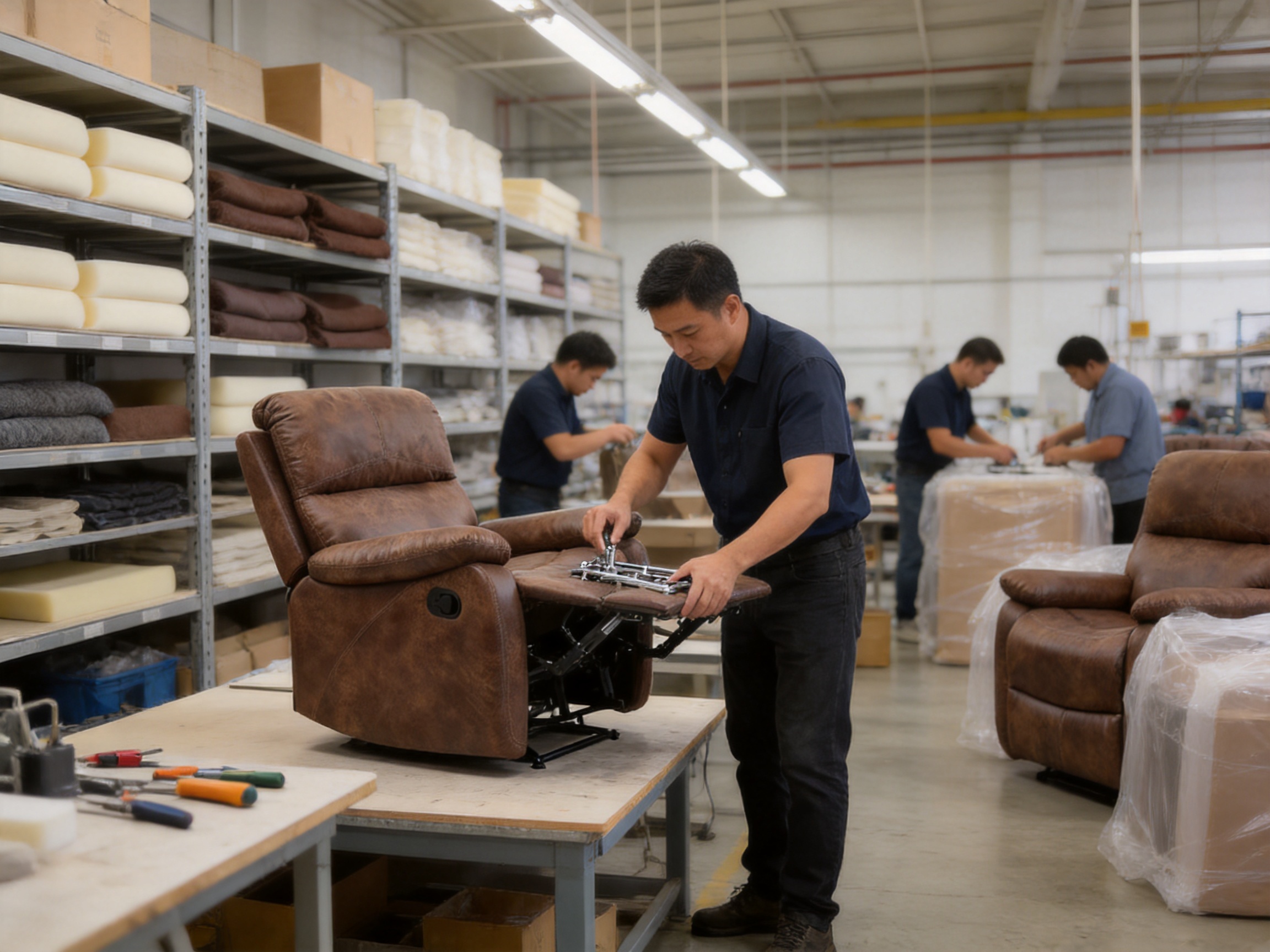
Advanced Production Process
The production of a manual recliner begins with design confirmation. The product team determines dimensions, reclining angle, structural requirements, upholstery materials, cushioning density, arm shape, back profile, and packaging needs. For customized orders, color, fabric texture, labeling, and market-specific requirements may also be confirmed at this stage.
Material selection follows. A recliner must use materials that can withstand repeated movement and sitting pressure. The metal mechanism and steel reinforcement must be strong enough to support operation. Cushioning must provide comfort while maintaining shape. Upholstery must be cut and sewn accurately to fit the contours of the arms, back, seat, and footrest.
Frame and mechanism preparation is a critical stage. The reclining mechanism must align correctly with the chair structure. If alignment is poor, the chair may feel unstable, recline unevenly, or become difficult to close. Skilled assembly improves smooth operation and user safety. Reinforced structural points help the chair withstand daily stress.
Cushion preparation is another key process. Sponge or foam components must be shaped to match the design of the back, seat, arms, and footrest. Comfort depends on thickness, density, resilience, and placement. The goal is to create a seat that feels soft at first contact but supportive during longer use. Proper cushioning also helps preserve the chair’s appearance.
Cutting and sewing require precision. Upholstery panels must be cut according to pattern requirements. Sewing must be neat, strong, and consistent. Poor stitching can weaken seams or create an uneven appearance. On a recliner with overstuffed arms and a plush back, accurate upholstery work is especially important because the fabric must cover curved, padded surfaces smoothly.
Upholstery installation brings the visual design together. Workers must stretch and position the microfiber fabric carefully to avoid wrinkles, distortion, or loose areas. The fabric must align with the chair’s contours while allowing the reclining mechanism and footrest to function correctly. The best recliners look comfortable even before a user sits down, and this impression depends heavily on upholstery craftsmanship.
Final assembly includes connecting the seat, back, arms, footrest, and reclining components. Each connection point must be secured. The chair is then checked for stability, reclining movement, footrest operation, appearance, and general workmanship. Quality control at this stage helps prevent problems before packaging and shipment.
Packaging is also part of manufacturing excellence. Export furniture must withstand handling, loading, container movement, and delivery conditions. Protective packaging helps reduce damage during transportation. A manufacturer experienced in international export understands that product quality must be preserved from the factory floor to the customer’s destination.
Quality Control and International Market Readiness
Quality control is one of the most important differences between a reliable recliner supplier and a short-term furniture producer. A recliner may look good in photos, but long-term satisfaction depends on hidden quality. The frame must remain stable, the footrest must operate correctly, the upholstery must hold its appearance, and the cushioning must continue to support the user.
The manufacturer applies strict multi-stage quality inspection. This approach is more effective than relying only on final inspection. Material inspection can identify problems before production begins. Process inspection can detect assembly or sewing issues while they are still easy to correct. Final inspection confirms that the finished chair meets appearance, function, and packaging expectations.
International market readiness is also essential. The company exports to North America, Europe, the Middle East, and other regions. These markets have different expectations regarding product performance, documentation, packaging, labeling, and service communication. A supplier with export experience can help buyers reduce risk and improve procurement efficiency.
Compliance with international market standards is a significant advantage. Buyers importing furniture need confidence that products can meet relevant expectations in their target markets. While requirements may differ depending on destination and sales channel, a manufacturer that understands international standards is better prepared to support professional buyers.
The company’s location also supports export logistics. Being near Ningbo Beilun Port provides convenient access to one of China’s major shipping gateways. Efficient logistics can reduce shipping complexity, improve scheduling, and support stable delivery for overseas customers. For furniture buyers managing inventory cycles, reliable logistics are almost as important as product quality.
Comfort Engineering: Balancing Softness and Support
A recliner must manage the relationship between softness and support. Customers often say they want a soft chair, but excessive softness can lead to poor posture and quicker fatigue. A good recliner creates comfort through layered support. The backrest should feel cushioned but not weak. The seat should welcome the body but not collapse. The arms should feel padded but remain structurally dependable.
This manual recliner uses overstuffed arms and back padding to create immediate comfort. The soft surface helps users relax quickly. At the same time, the supportive seat and reinforced frame prevent the chair from feeling unstable. This balance makes the product suitable for daily use rather than occasional decorative seating.
The lay-flat position enhances body relaxation. When users recline, body weight is distributed differently across the back, seat, and leg support. A well-designed recliner must feel stable in each position. The 165-degree position allows deep rest, but the chair must still support the user securely. The heavy-duty frame and reclining mechanism help achieve this requirement.
The dimensions also contribute to comfort. A width of 32.7 inches provides enough room for relaxed sitting while keeping the chair manageable in size. The height of 39.8 inches supports the upper back area, while the depth of 37 inches provides sufficient seating space. The result is a chair that feels substantial and comfortable without being oversized for typical rooms.
Microfiber Upholstery and Care
Microfiber fabric gives the recliner a soft and comfortable surface. It supports a cozy living room feeling and works well with traditional furniture shapes. For many households, fabric upholstery feels warmer and more inviting than hard or glossy surfaces. This is especially important for a recliner intended for daily relaxation.
Proper care helps maintain the upholstery’s appearance. The fabric should be cleaned with dry cleaning solvent only. It should not be saturated with water, as excessive moisture may affect the fabric and internal materials. Pile fabrics may require brushing to restore their appearance after use. These care instructions should be communicated clearly to end users so that the chair remains attractive over time.
For commercial buyers, care requirements are part of product education. Retailers can improve customer satisfaction by explaining fabric maintenance at the point of sale. Clear care guidance reduces misuse and helps customers enjoy the product longer.
Why This Recliner Works for Retailers and Wholesalers
Retailers need products that are easy to explain, visually appealing, comfortable to test, and reliable after purchase. This manual recliner meets those needs. Its value proposition is straightforward: classic style, plush comfort, manual reclining, sturdy frame, 165-degree lay-flat position, microfiber fabric, and 350-pound capacity.
In a showroom, customers can immediately understand the product. They can see the overstuffed arms, feel the microfiber, sit in the supportive seat, and test the reclining function. Products that create a strong first impression are easier for sales teams to present. The chair’s traditional look also broadens its appeal because it does not depend on a narrow fashion trend.
Wholesalers benefit from products that can serve multiple channels. This chair can be sold as living room furniture, home theater seating, bedroom seating, leisure furniture, or practical recliner seating. Its custom color support allows wholesalers to develop variations for different accounts or markets.
The manufacturer’s production strength further supports business buyers. With factory scale, integrated manufacturing, R and D capability, quality inspection, and export experience, the company can support repeat orders and long-term cooperation. Furniture businesses need suppliers who can deliver consistent products, not just attractive samples. This is where manufacturing discipline becomes a competitive advantage.
Comparison with Common Alternatives
Compared with a standard armchair, this manual recliner offers far greater relaxation flexibility. A standard chair may look good and provide upright seating, but it cannot support leg elevation or deep reclining. For customers who value rest, the adjustable footrest and reclining back provide a clear functional advantage.
Compared with a low-cost recliner, this chair provides stronger structural confidence through its heavy-duty steel reinforced frame and 350-pound capacity. Many budget recliners focus on appearance while reducing internal strength. This product emphasizes both visible comfort and hidden durability.
Compared with a power recliner, this manual model offers simplicity and independence from electricity. It can be placed anywhere in a room without worrying about outlet location. It avoids motor-related maintenance concerns and may be preferred by users who value straightforward mechanical operation.
Compared with modern minimalist recliners, this chair provides a more traditional comfort experience. Minimalist designs may suit certain interiors, but they often reduce padding and plushness. This recliner is designed for users who want a classic, overstuffed, comfortable seating experience.
Compared with imported private-label recliners with limited customization, this product benefits from a manufacturer capable of color customization and product development. This matters for buyers who want to build a differentiated furniture line rather than purchasing generic inventory.
Sustainability through Durability and Efficient Manufacturing
Sustainability in furniture is not only about materials; it is also about durability, efficient production, responsible planning, and reduced waste. A recliner that lasts longer can reduce replacement frequency. A stable manufacturing process can reduce defects and unnecessary material loss. Quality inspection helps prevent rejected goods from entering the supply chain.
The manufacturer’s control over key production resources supports more efficient planning. When a company can manage frame and sponge-related processes internally, it can improve material utilization, reduce coordination delays, and respond faster to production adjustments. This type of integrated capability can contribute to more responsible manufacturing outcomes.
Durability also supports customer value. A chair with a strong frame, stable mechanism, and supportive cushioning provides a better long-term ownership experience. Customers are more satisfied when furniture continues to perform after repeated use. For retailers, durable products can reduce returns, complaints, and warranty pressure.
Buying Considerations for End Users
Before purchasing a recliner, customers should consider room size, preferred sitting style, upholstery preference, and care habits. This chair is well suited for users who want a plush, classic recliner with manual operation. It is especially appropriate for those who enjoy a soft backrest, padded arms, and a deep reclining angle.
Users should measure the intended space before purchase. Because the chair reclines, it needs clearance behind and in front for proper movement. It should be placed where the footrest can extend safely without hitting tables, walls, or other furniture.
Customers should also consider fabric care. Microfiber is comfortable and attractive, but it should be maintained according to the recommended care method. Dry cleaning solvent should be used when cleaning is necessary, and water saturation should be avoided.
For users who prefer simple function, this manual recliner is a strong match. It does not require electrical setup, making it easy to position and use. The recommended footrest closing method should be followed for smoother operation and longer mechanism life.
Procurement Considerations for Business Buyers
Business buyers should evaluate not only the product but also the supplier behind it. Important questions include production capacity, customization ability, quality inspection process, export experience, packaging standards, and long-term communication reliability. This recliner is supported by a manufacturer with practical strengths in all of these areas.
Custom color support allows buyers to adapt the chair to their target market. A retailer may test several colors to determine regional demand. A wholesaler may create exclusive versions for different customers. A project buyer may require colors that match interior design schemes.
Production consistency is essential for repeat orders. A successful first order must be followed by stable quality in later shipments. The manufacturer’s factory scale, experienced workforce, and quality control system help support this consistency.
Export logistics also matter. Furniture is bulky, and shipping efficiency affects total landed cost. A factory located near a major port can support smoother shipment planning. For importers, this can improve inventory management and reduce delivery uncertainty.
Q&A Section
Q1: What type of customer is this manual recliner best suited for?
This chair is best suited for customers who want a comfortable, traditional recliner for daily relaxation. It is ideal for living rooms, bedrooms, studies, nurseries, home theaters, and informal meeting spaces. It works well for users who prefer plush padding, supportive seating, manual operation, and a deep reclining position.
Q2: What is the main advantage of a manual recliner compared with a power recliner?
The main advantage is simplicity. A manual recliner does not require electricity, wiring, motors, or control buttons. It can be placed more freely in a room and may require less maintenance related to electrical components. For many users, manual reclining provides the necessary comfort with fewer complications.
Q3: How far can the chair recline?
The chair can recline to a full 165-degree lay-flat position. This allows users to sit upright, recline partially, or rest in a deeply relaxed posture. The wide reclining angle makes it suitable for reading, watching television, resting, and short naps.
Q4: What is the weight capacity?
The chair has a weight capacity of 350 pounds. This specification reflects its strong support structure and makes it suitable for a broad range of users.
Q5: What materials are used in the chair?
The chair includes a sturdy metal frame, heavy-duty steel reinforcement, comfortable microfiber upholstery, and soft supportive cushioning. These materials work together to provide durability, comfort, and a classic appearance.
Q6: Is the color customizable?
Yes. The standard color is brown, but custom color options are supported. This is useful for retailers, wholesalers, project buyers, and customers who need furniture that matches specific interior styles.
Q7: How should the footrest be closed correctly?
To retract the footrest in a labor-saving way, the user should sit forward, lean forward slightly, and press the middle of the footrest with the heels. This method helps close the footrest smoothly and correctly.
Q8: How should the microfiber fabric be cleaned?
The fabric should be cleaned with dry cleaning solvent only. It should not be saturated with water. If the fabric pile changes after use, brushing may help restore its appearance.
Q9: Why is the reinforced frame important?
A recliner experiences repeated movement and weight shifts. A reinforced frame improves stability, supports the reclining mechanism, and helps the chair remain dependable during daily use. It is an important difference between a durable recliner and a low-cost chair with weaker internal construction.
Q10: What makes the manufacturer suitable for international buyers?
The manufacturer has an approximately 8,000-square-meter factory, more than 100 employees, research and development capability, integrated manufacturing resources, strict multi-stage quality inspection, customization ability, export experience, and convenient logistics near Ningbo Beilun Port. These strengths support stable supply and long-term cooperation.
Conclusion
The Classic and Traditional Manual Recliner Chair with Overstuffed Arms and Back is a practical and comfortable seating solution for modern daily life. It combines traditional visual warmth with functional reclining comfort, making it suitable for homes, entertainment spaces, bedrooms, studies, nurseries, and commercial lounge areas. Its 165-degree lay-flat position, adjustable footrest, microfiber upholstery, sturdy metal frame, heavy-duty steel reinforcement, and 350-pound capacity create a strong value proposition.
Its advantages over many competing recliners are clear. It offers deeper reclining comfort than ordinary armchairs, stronger structural confidence than many low-cost recliners, simpler operation than power recliners, and a more plush comfort experience than many minimalist designs. Custom color support also makes it valuable for retailers, wholesalers, and project buyers.
Behind the product is a manufacturer with meaningful production strengths. Integrated capabilities, professional management, research and development support, strict quality inspection, export experience, and convenient logistics all contribute to the product’s market readiness. For buyers seeking a reliable manual recliner that balances comfort, durability, traditional style, and supply stability, this chair is a compelling choice.
References
Furniture Industry Research Association. Residential Upholstered Seating Design and Comfort Principles.
International Furniture Manufacturing Review. Recliner Mechanism Durability and Quality Control Practices.
Home Furnishings Product Development Guide. Upholstery Materials, Cushioning Systems, and Consumer Comfort Expectations.
Export Furniture Packaging Handbook. Best Practices for Protecting Upholstered Furniture in International Shipping.
Ergonomic Seating Studies Quarterly. Reclined Posture, Leg Support, and Pressure Distribution in Leisure Seating.
Product: Classic and Traditional Manual Recliner Chair with Overstuffed Arms and Back

LET'S TALK

Bai Shuiwan Industrial Park, Tian Huangping Town, Anji County, Huzhou City, Zhejiang Province, China
More About Us 
-
+86 18257273741
-
[email protected]
CONTACT US
Copyright © Anji Xuanbo Household Co., Ltd. All Rights Reserved.
Custom Modern Upholstered Sofa Manufacturers


