Focus on the manufacturing and export of functional sofas
-
 +86 18257273741
-
 [email protected]

 English
 Español
Liu Yiran — After-Sales Service Specialist
 Home / Author / Liu Yiran — After-Sales Service Specialist / Classic Manual Recliner Chair with Overstuffed Comfort for Everyday Living
 Classic Manual Recliner Chair with Overstuffed Comfort for Everyday Living
 2026.07.02
 Liu Yiran — After-Sales Service Specialist
Content
- 1 Product Positioning and Everyday Value
- 2 Comfort Engineering: Softness with Support
- 3 Manual Reclining Mechanism and User-Friendly Operation
- 4 Material Selection: Microfiber, Sponge, Wood, and Metal
- 5 Design Style and Interior Compatibility
- 6 Key Specifications and Practical Benefits
- 7 Advantages Over Common Competitor Recliners
- 8 Manufacturing Strength Behind the Product
- 9 Quality Control and International Market Readiness
- 10 Customization Capability for Wholesale and Project Buyers
- 11 Care and Maintenance Guidance
- 12 Ideal Users and Application Scenarios
- 13 Q&A Section
- 13.1 What makes this manual recliner chair comfortable for long sitting periods?
- 13.2 Is the recliner powered by electricity?
- 13.3 What is the weight capacity of the chair?
- 13.4 What materials are used in the chair?
- 13.5 How should the footrest be retracted correctly?
- 13.6 Can the color be customized?
- 13.7 How does this chair compare with electric recliners?
- 13.8 What care instructions should users follow?
- 13.9 Why is the manufacturer’s production capability important?
- 13.10 Where can this recliner be used?
- 14 Conclusion
- 15 References
- 16 Product: Classic and Traditional Manual Recliner Chair with Overstuffed Arms and Back
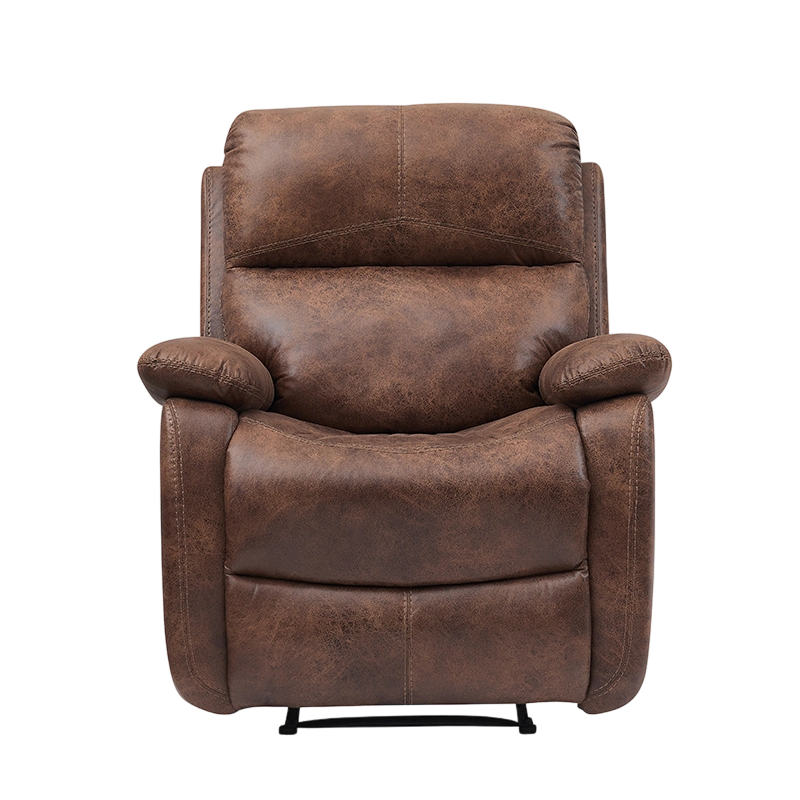
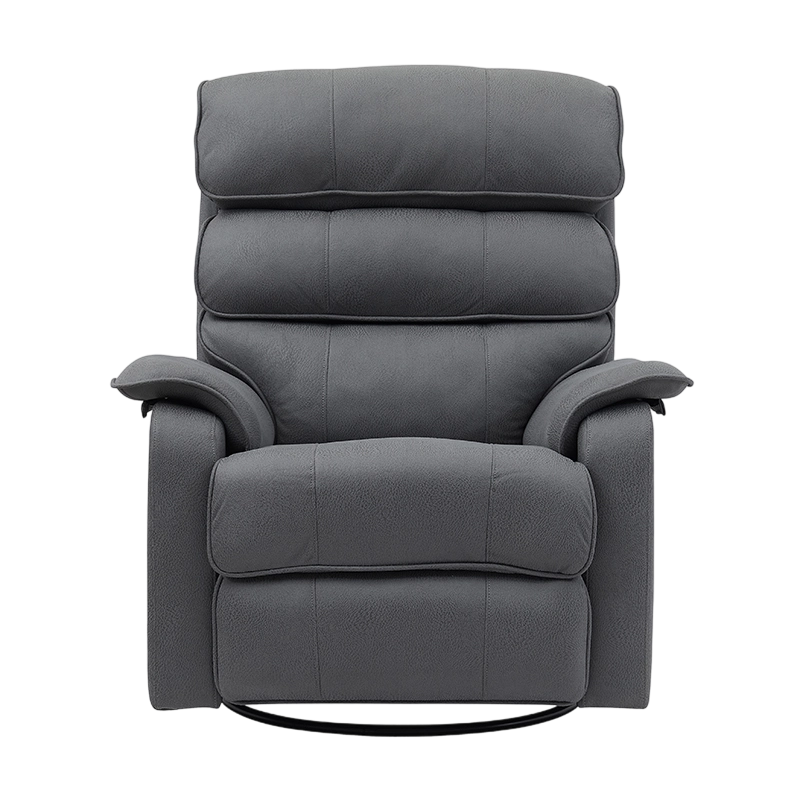
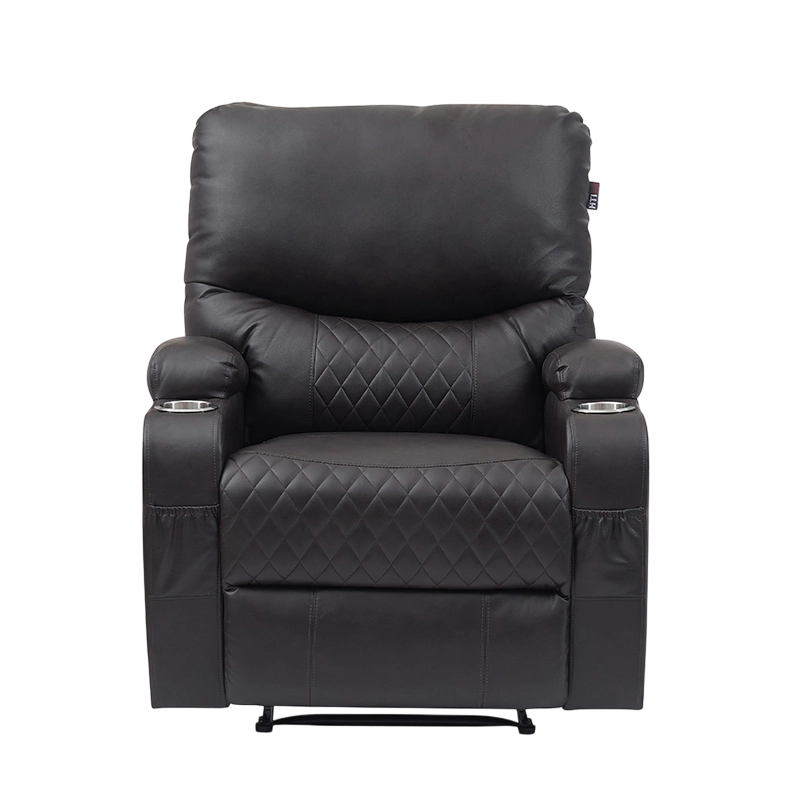
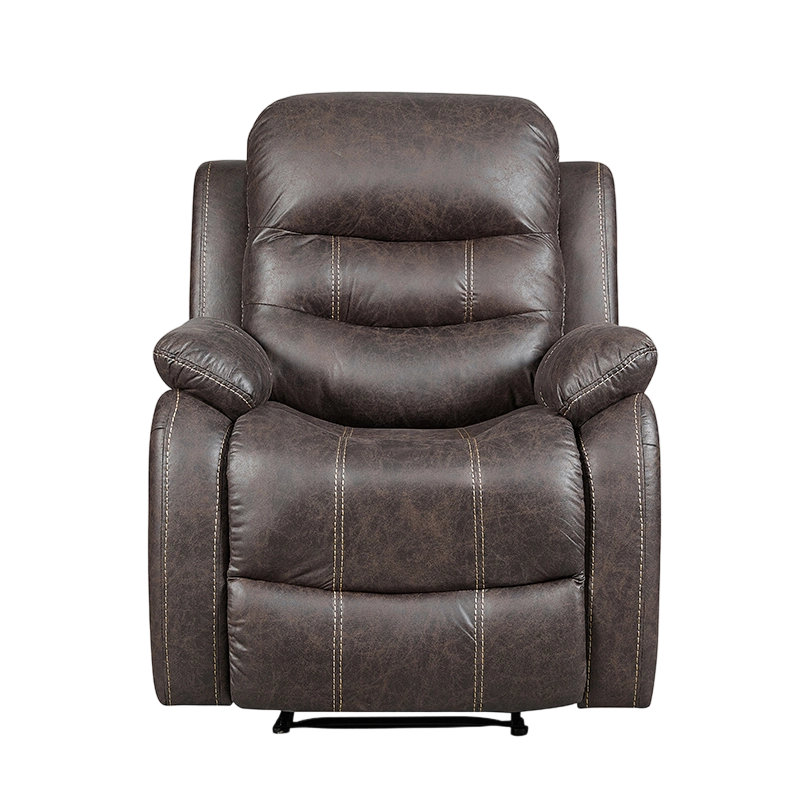
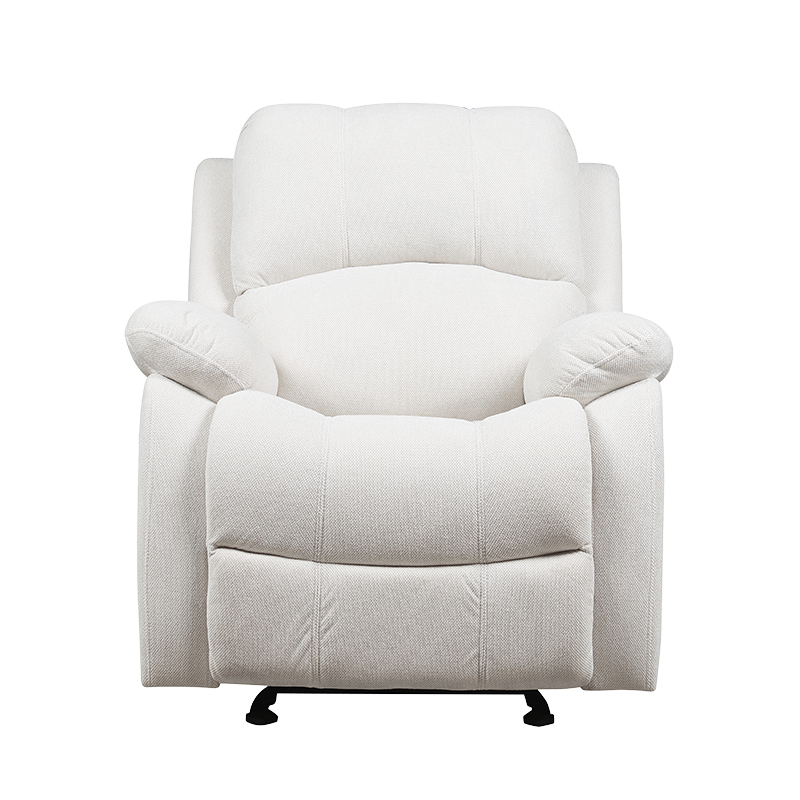
A well-designed recliner chair is more than a single seat; it is a personal comfort zone, a functional living room feature, and a long-term household investment. The Classic and Traditional Manual Recliner Chair with Overstuffed Arms and Back is created for users who want reliable support, soft touch, easy operation, and a familiar traditional appearance that works in many interior settings. With a breathable microfiber surface, generous sponge padding, a strong wooden inner structure, and a durable metal base frame, this manual recliner is built to deliver comfort, safety, and practical value.
This product belongs to the manual recliner category and fits naturally into broader home furniture collections such as recliner sofas, leisure chairs, love seats, and living room seating systems. Its compact but comfortable size makes it suitable for apartments, family rooms, reading corners, entertainment spaces, senior living areas, and hospitality environments. While many recliners on the market focus only on appearance or short-term softness, this model balances comfort, structure, usability, and manufacturing reliability.
The chair measures approximately 32.7 inches wide, 32.3 inches deep, and 39.4 inches high. It is designed with a weight capacity of up to 350 pounds, giving it the strength required for regular household use. Its overstuffed backrest, comfortable cushion, square armrests, and firm footrest support create a supportive sitting experience for watching television, reading, resting, or enjoying quiet time after work. The manual reclining mechanism allows the user to adjust the backrest to a preferred angle without needing electricity, making the chair simple, dependable, and easy to place in different rooms.
Classic and Traditional Manual Recliner Chair with Overstuffed Arms and Back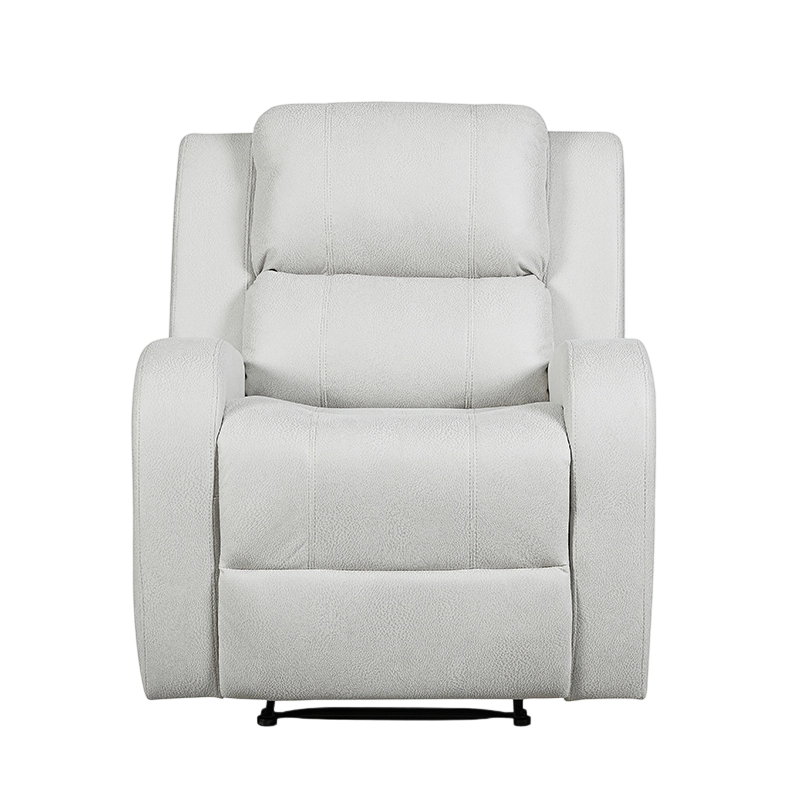
Product Positioning and Everyday Value
This manual recliner is positioned for customers who appreciate classic design, dependable construction, and daily comfort. The shape is traditional rather than overly decorative, making it easy to integrate into both modern and classic interiors. Its white color option provides a clean, soft visual impression, while custom color support gives buyers and distributors greater flexibility for different market preferences. In retail settings, this adaptability helps the chair serve a wider customer base, from minimalist homes to warmer family-style living spaces.
One of the chair’s most important strengths is that it does not rely on unnecessary complexity. Electric recliners may be attractive for some users, but they require motors, wiring, power access, and additional after-sales maintenance. A manual recliner, when properly engineered, provides a simpler and more robust solution. Users can enjoy reclining comfort without worrying about power outlets, electrical components, or motor failure. This makes the product especially suitable for buyers who want an easy-to-use chair with fewer maintenance concerns.
Compared with many competitor products in the same price and category range, this recliner emphasizes structural reliability. The combination of a solid wooden internal frame and a durable metal bottom frame contributes to long service life. The wooden structure provides shape, stability, and load-bearing support, while the metal mechanism and base area reinforce the functional reclining action. This dual-material construction helps the chair remain stable through repeated sitting, reclining, and footrest movement.
The user experience begins with the surface material. The chair is wrapped in high-grade microfiber cloth combined with skin-friendly fabric. Microfiber is appreciated in upholstered furniture because it can offer a soft hand feel, breathable comfort, and a refined appearance. For users who sit for long periods, the fabric surface can make a significant difference. It helps reduce the sense of stiffness sometimes found in low-cost synthetic upholstery, while also providing a comfortable touch for daily contact.
The overstuffed design is another practical advantage. A recliner should not feel hollow, thin, or flat after limited use. This chair includes enough sponge padding to provide back and lumbar support, especially in the high-contact areas of the backrest, seat, and arms. The plush seat and back are intended to ensure optimal comfort during prolonged sitting. For households where a recliner is used every day, this is essential. Comfort should not be limited to the first few minutes; it should remain supportive during longer rest periods.
Comfort Engineering: Softness with Support
Comfort in recliner furniture depends on a careful balance between softness and structural support. If the chair is too soft, the user may sink too deeply and experience poor posture. If it is too firm, it may feel uncomfortable during extended use. This product addresses the issue through overstuffed padding, a supportive seat cushion, and a backrest designed to help the user relax while maintaining a stable sitting position.
The backrest is one of the chair’s strongest comfort features. It is generously padded to support the upper body, and the back area is shaped to provide a sense of enclosure. For many users, especially those who spend evenings reading or watching television, the backrest determines whether a recliner feels premium or ordinary. A thin backrest may look acceptable in photos but often fails in real use. In contrast, this recliner’s overstuffed back gives a fuller appearance and a more comfortable resting experience.
Lumbar comfort is equally important. The description highlights the presence of enough sponge padding to provide back and lumbar support. This is a critical point because the lower back often needs additional attention during reclining. A properly padded lumbar area helps reduce pressure and supports a more natural resting posture. For users who prefer a chair for daily recovery after work, this detail adds meaningful value.
The arms are square and overstuffed, giving additional support. Square arms are practical because they provide a stable surface for resting the forearms and make the chair visually balanced. Compared with narrow or lightly padded arms, the overstuffed square arms improve comfort and create a more generous sitting area. This is especially beneficial for users who like to sit with arms supported while reading, using a tablet, or relaxing with a beverage nearby.
The seat cushion is plush, but it is designed to work with the frame rather than replace it. In high-quality upholstered furniture, cushion comfort must cooperate with the internal support system. The seat should compress gently under body weight but not collapse. This recliner’s cushion and frame combination is intended to provide comfort for prolonged sitting while preserving stability.
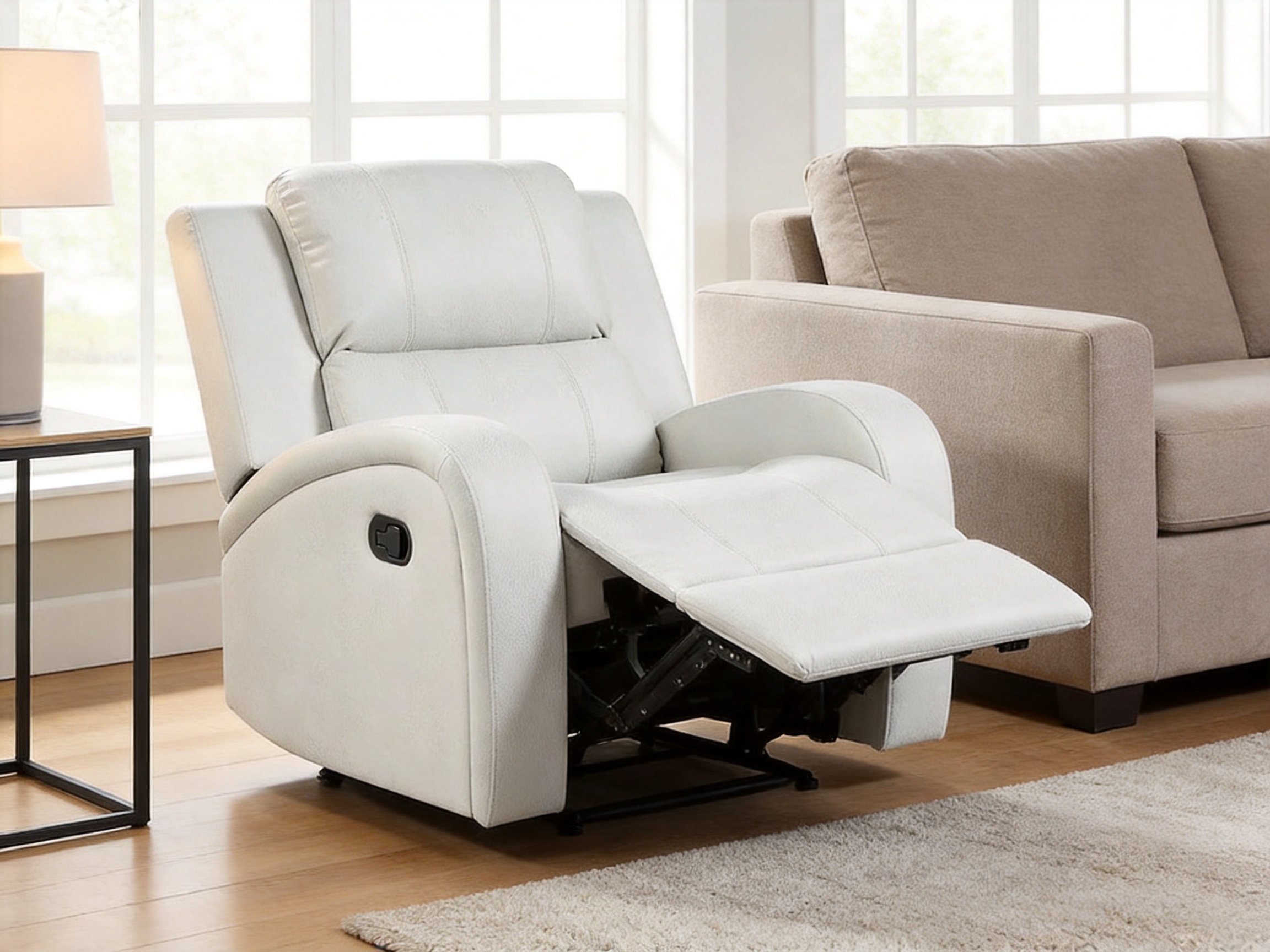
The footrest is another major part of the comfort system. A firm footrest support allows users to elevate their legs and shift pressure away from the lower body. This is one of the main reasons people choose recliners instead of standard lounge chairs. When the footrest is extended, the user can create a more restful position for watching movies, taking a short nap, or reducing fatigue after standing or walking.
Manual Reclining Mechanism and User-Friendly Operation
The manual reclining mechanism is central to the product’s functionality. Manual recliners remain popular because they are simple, dependable, and cost-effective. They do not require motors or electrical control systems, reducing the risk of technical problems. For distributors and retailers, this means fewer service complaints related to electronics. For end users, it means easier placement and more intuitive operation.
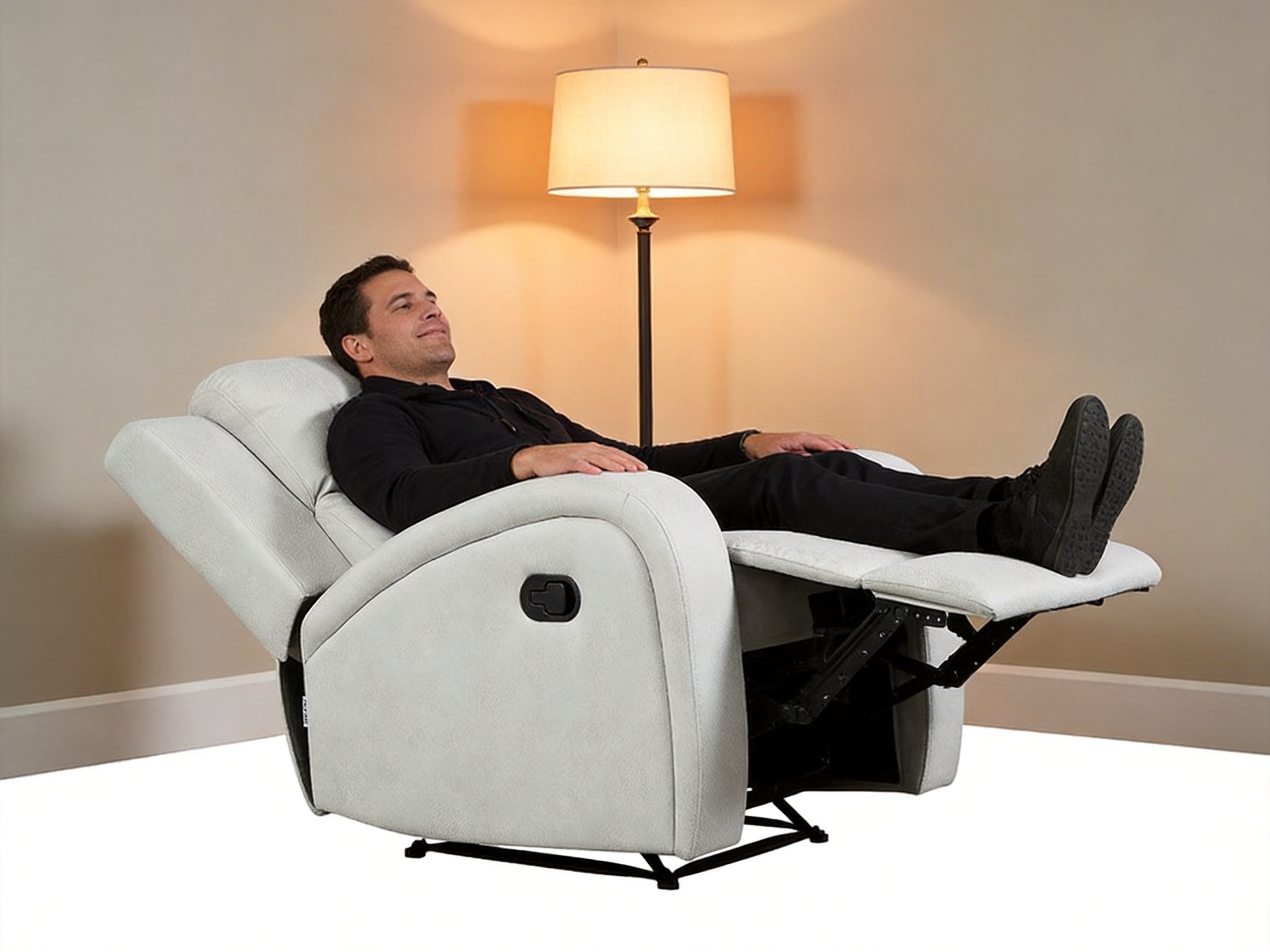
The chair allows users to adjust the backrest to their desired angle for maximum comfort. This flexibility is important because different activities require different positions. A more upright position may be suitable for conversation, reading, or drinking coffee. A partially reclined position may be ideal for television or relaxing. A deeper recline may help the user rest more fully. The manual mechanism gives the user control over these comfort preferences.
The footrest retracting method is also clearly explained. To retract the footrest correctly and with less effort, the user should sit forward, lean forward, and use the heels to press against the middle of the footrest. This instruction is practical because many users apply force incorrectly when closing a manual recliner. Clear usage guidance helps extend the service life of the mechanism and improves the user experience.
Compared with some competitor recliners that have stiff or inconsistent footrest movement, a well-supported manual system can feel more reliable. The key is not merely having a reclining function, but ensuring the mechanism works with the frame, cushion, and user movement. The durable metal frame at the bottom contributes to this stability. It helps support the mechanical action and reduces the risk of wobbling during reclining and closing.
Manual operation also offers placement freedom. Since the chair does not need electrical access, it can be placed in the center of a room, beside a sofa, near a window, in a bedroom corner, or in a home office rest area. This is a practical advantage for interior planning. Users are not limited by outlet locations or cable management concerns.
For elderly users or anyone who values straightforward furniture, a manual recliner can be less intimidating than an electronic model. There are no remote controls to lose, no buttons to misunderstand, and no power cords to manage. The reclining function is mechanical and direct. This simplicity contributes to the chair’s long-term appeal.
Material Selection: Microfiber, Sponge, Wood, and Metal
The quality of a recliner depends heavily on the materials that users cannot always see. Surface fabric creates the first impression, but internal materials determine whether the chair remains comfortable and stable over time. This recliner uses a combination of skin-friendly breathable microfiber, sufficient sponge padding, a strong wooden structure, and a durable metal frame. Each material plays a specific role.
The microfiber upholstery supports comfort and usability. Microfiber is known for its fine fiber structure, which can create a soft and smooth hand feel. In daily use, this helps the chair feel welcoming rather than cold or rough. Breathability is especially valuable for a recliner because users may sit for long periods. A breathable surface can reduce discomfort associated with heat buildup and improve overall satisfaction.
The sponge padding creates the chair’s plushness and body support. Good sponge selection must consider density, resilience, and placement. A chair may look thick, but if low-quality foam is used, it can flatten quickly. The product description emphasizes enough sponge on the recliner to provide back and lumbar support. This suggests a comfort-first design approach, where padding is not limited to visual fullness but used to improve ergonomic performance.
The wooden internal structure forms the chair’s core. A strong wooden frame is important because it supports the user’s weight, maintains the chair’s shape, and anchors the upholstery and cushioning. In recliners, the wooden frame must withstand repeated movement and shifting weight. A weak frame may lead to noise, looseness, deformation, or early failure. By using a strong wooden structure, this product gains a durability advantage over lower-grade chairs built with insufficient internal reinforcement.
The metal frame at the bottom reinforces the functional area. Reclining chairs experience dynamic loads because users shift position, lean back, extend the footrest, and close the mechanism. Metal components are essential for strength and movement resistance. The durable bottom metal frame improves safety and helps prolong service life. This combination of wood and metal is a practical engineering solution: wood supports upholstered comfort and form, while metal handles mechanical stress.
The product’s 350-pound weight capacity further reflects its structural intention. Weight capacity is not only a marketing number; it is an important indicator for buyers who want dependable seating. A higher capacity can increase user confidence and expand the market potential of the product. For families, hospitality providers, and distributors, this capability supports broader usability.
Design Style and Interior Compatibility
The recliner’s classic and traditional design gives it broad interior compatibility. It does not depend on extreme styling trends, so it can remain relevant over time. The overstuffed back and arms create a warm, inviting appearance, while the clean square arm shape helps it look orderly and practical. This balance makes it suitable for many room types.
In a living room, the chair can serve as an individual relaxation seat beside a sofa or sectional. In a bedroom, it can become a quiet reading chair. In a study or home office, it can provide a comfortable break area. In a senior living room, it can support daily rest with easy manual function. In hospitality settings such as lounges or guest rooms, it can add comfort without requiring complicated electrical installation.
The white color option gives the chair a fresh and clean appearance. White upholstery can brighten a space and coordinate with many color schemes, including neutral, coastal, Scandinavian, modern farmhouse, and transitional interiors. At the same time, custom color support is a meaningful advantage for wholesale buyers and project customers. Different markets often have different preferences; some prefer beige, gray, brown, black, navy, or warm earth tones. Customization helps adapt the same strong product foundation to different consumer expectations.
Compared with competitors offering limited color choices, the ability to support customized color options can improve commercial flexibility. Retailers can match local demand, designers can coordinate with room concepts, and distributors can differentiate their offerings. This makes the chair not only a single product but also a platform for market adaptation.
The dimensions are practical for modern homes. At 32.7 inches wide, the chair is comfortable without being excessively large. Some recliners are too bulky for apartments or smaller living rooms. This model provides overstuffed comfort while maintaining a manageable footprint. Its 39.4-inch height gives it a substantial presence and sufficient back support, while the depth supports both upright sitting and reclining comfort.
Key Specifications and Practical Benefits
| Feature | Specification | Practical Benefit |
|---|---|---|
| Product Type | Manual Recliner Chair | Simple operation without electrical components or power access requirements |
| Upholstery | High-grade microfiber cloth with skin-friendly fabric | Soft touch, breathable comfort, and suitable daily contact surface |
| Backrest | Overstuffed padded back | Enhanced upper body comfort and better support during prolonged sitting |
| Armrests | Square overstuffed arms | Additional arm support and a stable, classic visual profile |
| Frame Structure | Strong wooden inner structure with durable metal bottom frame | Improved stability, safety, and long-term service life |
| Reclining System | Manual reclining mechanism | Reliable adjustment with fewer maintenance concerns than powered models |
| Footrest | Firm footrest support | Allows leg elevation for better relaxation and reduced lower-body fatigue |
| Dimensions | 32.7W x 32.3D x 39.4H inches | Comfortable seating size suitable for living rooms, bedrooms, and apartments |
| Weight Capacity | 350 pounds | Supports a wide range of users with confidence |
| Color | White with custom color support | Flexible styling for different markets, interiors, and project requirements |
Advantages Over Common Competitor Recliners
In the recliner market, products may look similar at first glance, but differences in material quality, internal structure, mechanism durability, and manufacturing control become clear after extended use. This manual recliner offers several advantages that help distinguish it from common competitor models.
First, the chair uses a strong combined structure. Many low-cost recliners reduce material costs by using lighter internal frames, thinner boards, or less stable mechanisms. While these products may appear comfortable in photos, they can become unstable or noisy after repeated use. This recliner’s wooden inner structure and bottom metal frame provide a more dependable foundation. The design focuses on long-term use rather than only showroom appearance.
Second, the chair emphasizes real padding in key comfort areas. Some competing products rely on a bulky exterior shape but use uneven or insufficient filling. Over time, the seat may flatten, the armrests may lose shape, or the backrest may feel unsupported. This product highlights sufficient sponge padding for back and lumbar support. That means the overstuffed appearance is connected to functional comfort, not just visual volume.
Third, the microfiber upholstery provides a skin-friendly surface. Budget recliners sometimes use rougher fabric or synthetic materials that may feel sticky, stiff, or uncomfortable during long sitting periods. A breathable microfiber surface improves the contact experience, especially for users who sit daily. It gives the product a softer and more refined feel.
Fourth, the manual mechanism reduces electrical complexity. Powered recliners can be excellent when designed for premium segments, but in many value-focused markets, electrical components can increase after-sales risk. Motors, switches, cables, and transformers may require replacement. This manual model avoids those issues while still delivering adjustable comfort. For customers who prefer low-maintenance furniture, this is a clear benefit.
Fifth, the chair has a strong commercial customization advantage. The white standard option is attractive, but custom color support allows the same chair to be adapted for different customer groups. Competitors with fixed colors may lose opportunities in project sales or regional markets. Customization makes the product more versatile for distributors, furniture stores, and design buyers.
Finally, the manufacturer’s integrated production strengths improve reliability. A product is not only the result of design; it is also the result of manufacturing discipline. When a factory has control over wooden frames, sponge processing, assembly, inspection, and export coordination, the final product can be more consistent. This is a major difference from suppliers who depend heavily on outsourced components without tight quality supervision.
Manufacturing Strength Behind the Product
Anji Xuanbo Household Co., Ltd. is located in Anji County, Huzhou City, Zhejiang Province, an area widely known as the “Capital of Chair Industry.” This regional background provides an industrial advantage because the area has developed supply chains, skilled workers, furniture manufacturing knowledge, and export experience. The company was established in 2021 and focuses on high-quality sofas and chairs, including functional sofas, fixed sofas, corner sofas, lounge chairs, recliner sofas, love seats, and leisure chairs.
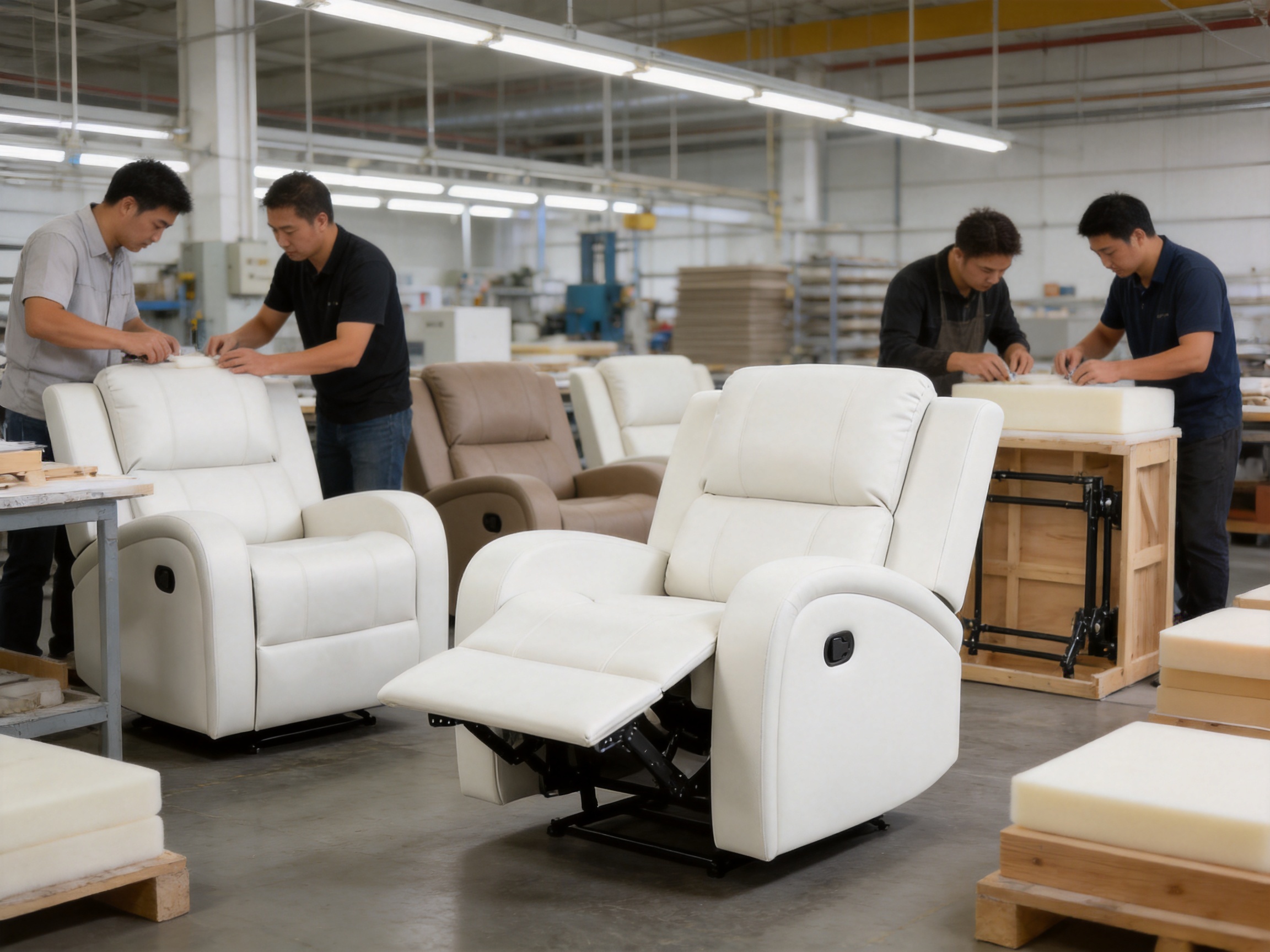
The factory covers approximately 8,000 square meters and has more than 100 employees. This scale allows the company to support systematic production while remaining flexible enough to handle customization needs. The business integrates research and development, industrial design, large-scale manufacturing, independent marketing, and technical services. This integrated model is valuable because it connects product concept, engineering, production, quality control, and customer support within one operational system.
One of the company’s major strengths is full-chain cost and capacity control through its own wooden frame factory and sponge processing plant. For upholstered furniture, wooden frames and sponge are among the most important components. Controlling these processes internally helps improve cost stability, quality consistency, and delivery planning. It also allows the company to respond more quickly to customer requirements.
In many furniture supply chains, a manufacturer may depend on outside suppliers for frames and foam. This can create problems such as inconsistent dimensions, variable sponge density, late deliveries, or difficulty making quick design adjustments. By controlling frame and sponge production, Anji Xuanbo can better manage the structural and comfort foundation of the recliner chair. This contributes directly to the product’s durability and sitting experience.
The company’s advanced manufacturing process begins with material selection. Fabric, sponge, wood, and metal components must meet functional and safety expectations. The microfiber cloth is selected for comfort and appearance. Sponge materials are processed according to the chair’s comfort requirements. Wooden components are prepared to form the internal structure, and metal mechanisms are used to support reclining movement and bottom stability.
After materials are prepared, frame production is a key step. The wooden frame must be cut, assembled, reinforced, and checked for dimensional accuracy. A stable frame ensures that the chair maintains its shape and supports the user properly. Any error at this stage can affect the whole product. Strong frame production discipline is therefore essential for recliners, which experience repeated movement and changing loads.
Sponge processing follows comfort design requirements. Different parts of the chair require different padding shapes and thicknesses. The backrest, seat, arms, and lumbar area each have their own comfort role. Sponge must be cut and positioned so that the chair feels balanced. Too much padding in one area and too little in another can reduce comfort. The manufacturer’s sponge processing capability supports better control over this balance.
Upholstery is another important stage. The microfiber fabric must be cut and sewn accurately so it fits the overstuffed form without excessive wrinkles or tension. Skilled upholstery work affects both appearance and durability. A well-upholstered recliner looks clean, feels smooth, and resists premature wear caused by poor fabric tension. The combination of fabric, padding, and frame must be carefully assembled to create the final shape.
Mechanism installation requires precision. The manual reclining system must align correctly with the frame and footrest. If installation is inaccurate, the chair may recline unevenly, make noise, or become difficult to close. The durable metal frame at the bottom and the manual mechanism must work together as a stable movement system. Proper assembly helps users enjoy smooth operation and extends product life.
Quality inspection is conducted through multiple stages. The company emphasizes strict multi-stage quality inspection and compliance with international market standards. For a recliner chair, inspection may include frame stability, mechanism function, upholstery appearance, seam quality, cushion comfort, footrest operation, dimensions, packaging, and overall safety. Multi-stage inspection reduces the risk of defects reaching customers and helps protect the reputation of distributors and retailers.
The company also benefits from convenient export logistics near Ningbo Beilun Port. Export furniture must be packaged, loaded, shipped, and delivered efficiently. Proximity to a major port supports better logistics planning and can reduce shipping complexity. For international buyers, reliable export capability is essential because product quality must be matched by dependable delivery.
Quality Control and International Market Readiness
Quality control is not a single final inspection; it is a continuous process that begins with product development and continues through materials, production, assembly, packaging, and after-sales feedback. This recliner chair reflects a quality-oriented approach because its comfort and structure depend on many controlled details.
The company’s philosophy includes regarding quality as its mission, seeking development through service, being honest and pragmatic, and striving for excellence. This attitude matters in furniture manufacturing because long-term success depends on repeat orders, consistent product performance, and trust between supplier and buyer. A recliner may be tested by daily use for years, so quality cannot be superficial.
International market readiness requires attention to both product function and buyer expectations. Customers in North America, Europe, the Middle East, and other regions may have different preferences in color, firmness, dimensions, packaging, and certification requirements. The manufacturer’s export experience helps it understand these differences. Its products are designed to comply with international standards and certifications, supporting confidence for global buyers.
For distributors, consistency is one of the most important purchasing factors. A sample may be excellent, but bulk production must match the sample. Internal control over frames and sponge helps ensure that repeated production runs remain stable. Multi-stage inspection further reduces variation. This is especially important for recliners because slight inconsistencies in mechanism alignment, cushion thickness, or upholstery tension can affect customer satisfaction.
Packaging is also part of quality control. Furniture must survive transport, handling, warehousing, and delivery. A recliner chair has padded surfaces, moving parts, and structural components that must be protected. Proper packaging reduces damage claims and supports smoother distribution. Although packaging details are not listed in the product information, an export-focused manufacturer with international market experience typically understands the importance of secure packing.
After-sales technical service is another company strength. Since the manufacturer integrates technical services with production and marketing, it can respond more effectively to customer questions, product improvement needs, and market feedback. This supports long-term cooperation and helps buyers refine products for their local markets.
Customization Capability for Wholesale and Project Buyers
Customization is a major advantage in the furniture industry. Buyers may need different colors, fabric textures, packaging methods, labeling, or product combinations. This manual recliner already supports custom color options, which is particularly useful for retailers and project customers. A single chair design can be adapted to multiple interior trends and regional preferences.
For example, white may be ideal for clean and bright interiors, while beige or light gray can fit neutral family spaces. Dark brown may appeal to traditional markets, black may work for home theater rooms, and muted colors may suit hospitality projects. The ability to customize color helps buyers build collections instead of offering only one fixed option.
Customization can also support brand differentiation for distributors. When several retailers sell similar recliners, color, fabric, and packaging choices can create unique market identity. A manufacturer with strong design and production capabilities can help buyers create exclusive versions or coordinated product lines.
The company’s own frame and sponge processing capability further supports customization. If a buyer needs slight changes in comfort feel or structural details, internal control makes development more practical. A factory dependent on many outside suppliers may struggle to adjust quickly. In contrast, integrated production allows better communication between design, production, and quality teams.
For project buyers, such as apartment developers, hospitality suppliers, or senior living furniture buyers, customization may include color coordination, size planning, and volume delivery schedules. A manufacturer with large-scale manufacturing ability and export logistics experience can support such requirements more effectively. This makes the recliner suitable not only for individual retail sales but also for larger commercial purchasing programs.
Care and Maintenance Guidance
Proper care helps maintain the appearance and comfort of the recliner. The product information recommends cleaning with dry cleaning solvent only and not saturating the fabric with water. This is important because excessive water can affect upholstery materials, padding, and internal components. Users should avoid soaking the chair or using harsh cleaning methods.
For microfiber and pile fabrics, brushing may be required to restore appearance. Over time, sitting and contact may change the direction of fabric fibers, creating visible marks. Gentle brushing can help refresh the surface. Users should follow care instructions carefully and test cleaning methods in an inconspicuous area when appropriate.
Regular maintenance also includes proper use of the reclining mechanism. Users should follow the recommended footrest retracting method: sit forward, lean forward, and press the middle of the footrest with the heels. This reduces unnecessary strain on the mechanism and makes closing easier. Avoid kicking the footrest shut from the side or applying uneven force.
The chair should be placed on a stable, level floor. Uneven flooring can affect stability and may place extra stress on the frame. Users should also avoid standing on the footrest or using it as a step. Recliners are designed for sitting and leg support, not for concentrated standing loads.
To maintain upholstery appearance, the chair should be kept away from sharp objects, excessive moisture, and prolonged direct sunlight when possible. Although microfiber is practical for daily use, all fabrics benefit from reasonable care. Rotating usage patterns and avoiding heavy localized pressure can also help preserve cushion shape.
Ideal Users and Application Scenarios
This manual recliner is suitable for a broad range of users. Families can use it as a main relaxation chair in the living room. Individuals living in apartments can enjoy its comfort without needing the space of a large sectional sofa. Older adults may appreciate its simple manual operation and supportive backrest. Home theater users can enjoy the reclining function without electrical wiring. Readers can place it near a lamp or window for a comfortable reading spot.
The chair is also suitable for furniture retailers seeking a dependable manual recliner with classic appeal. Its traditional style makes it easy to sell to customers who prefer comfort and practicality over extreme fashion trends. The 350-pound capacity, supportive design, and custom color possibilities strengthen its retail potential.
Wholesale buyers may use the chair as part of a broader upholstered furniture program. Since the manufacturer also produces sofas, recliner sofas, corner sofas, love seats, and leisure chairs, buyers can potentially develop coordinated seating collections. This is valuable for stores that want consistent style and quality across multiple product categories.
Project customers may consider the chair for lounge areas, guest rooms, senior living spaces, and managed residential interiors. The manual mechanism reduces electrical installation concerns, and the compact dimensions support flexible placement. The overstuffed comfort can help create a welcoming environment.
For international buyers, the manufacturer’s export experience and location near a major port provide additional confidence. A good product must be supported by stable production and logistics. This combination helps buyers manage inventory, delivery schedules, and market launches.
Q&A Section
What makes this manual recliner chair comfortable for long sitting periods?
The chair uses an overstuffed backrest, plush seat cushion, square padded arms, and sufficient sponge padding in key support areas. The back and lumbar support help users maintain a comfortable posture, while the microfiber fabric provides a soft and breathable surface for daily contact.
Is the recliner powered by electricity?
No. This is a manual recliner chair. It does not require electricity, motors, cables, or remote controls. Users can adjust the reclining position manually, making the chair simple to use and easy to place anywhere in the room.
What is the weight capacity of the chair?
The chair is designed with a weight capacity of up to 350 pounds. This capacity reflects its strong wooden internal structure and durable metal bottom frame.
What materials are used in the chair?
The chair uses high-grade microfiber cloth combined with skin-friendly fabric, generous sponge padding, a strong wooden internal frame, and a durable metal frame at the bottom. These materials work together to provide comfort, support, stability, and long-term use.
How should the footrest be retracted correctly?
The recommended method is to sit forward, lean forward, and use the heels to press against the middle of the footrest. This method is more labor-saving and helps protect the reclining mechanism from improper force.
Can the color be customized?
Yes. The product is available in white and supports custom color options. This is useful for retailers, distributors, interior projects, and buyers who need furniture that matches specific room designs or market preferences.
How does this chair compare with electric recliners?
Electric recliners offer powered movement, but they require electrical components and access to power. This manual recliner provides adjustable comfort without motors or wiring. It has fewer electronic maintenance concerns, lower placement restrictions, and a simpler operating experience.
What care instructions should users follow?
The fabric should be cleaned with dry cleaning solvent only. Users should not saturate the chair with water. Pile fabrics may require brushing to restore appearance. Proper care helps maintain the upholstery and extends the chair’s attractive look.
Why is the manufacturer’s production capability important?
The manufacturer controls important production processes, including wooden frame manufacturing and sponge processing. This helps improve quality consistency, cost control, customization ability, and delivery reliability. Strong production management directly supports the final performance of the recliner.
Where can this recliner be used?
It can be used in living rooms, bedrooms, reading corners, home theaters, apartments, senior living spaces, lounges, and guest rooms. Its compact dimensions and manual operation make it flexible for many interior environments.
Conclusion
The Classic and Traditional Manual Recliner Chair with Overstuffed Arms and Back offers a strong combination of comfort, durability, and practical usability. Its breathable microfiber upholstery, generous sponge padding, supportive backrest, square arms, firm footrest, wooden internal structure, and durable metal frame make it a dependable choice for everyday relaxation. The manual reclining mechanism provides adjustable comfort without electrical complexity, giving users a simple and reliable way to rest.
Compared with many competitor recliners, this model stands out through its balanced design and manufacturing foundation. It does not depend only on visual softness; it supports comfort with real padding and stable construction. It does not rely on complicated electronics; it delivers practical reclining through a straightforward manual system. It does not limit buyers to a narrow style range; it supports custom colors for broader market adaptation.
Behind the product is a manufacturer with integrated strengths in design, production, frame making, sponge processing, quality inspection, and export logistics. Anji Xuanbo Household Co., Ltd. benefits from its location in Anji County, an established chair manufacturing region, and supports global markets with professional production capability. Its focus on quality, service, customization, and long-term cooperation gives the recliner added value beyond the product itself.
For homeowners, the chair offers a comfortable personal retreat. For retailers, it provides a classic and marketable manual recliner with dependable features. For wholesalers and project buyers, it offers customization potential, manufacturing consistency, and export readiness. In a competitive furniture market, the chair’s value lies in its ability to combine traditional comfort with practical engineering and reliable production support.
References
Furniture Industry Research Association. Upholstered Furniture Design and Performance Guidelines.
International Association of Furniture Manufacturers. Quality Control Practices for Reclining Seating Products.
China National Furniture Association. Development Trends in Functional Sofa and Recliner Manufacturing.
Textile Institute. Microfiber Upholstery Materials: Comfort, Care, and Durability Considerations.
Ergonomics Society. Seating Comfort, Lumbar Support, and Postural Relaxation in Residential Furniture.
Export Furniture Manufacturing Review. Global Supply Chain Management for Upholstered Seating Products.
Product: Classic and Traditional Manual Recliner Chair with Overstuffed Arms and Back

LET'S TALK

Bai Shuiwan Industrial Park, Tian Huangping Town, Anji County, Huzhou City, Zhejiang Province, China
More About Us 
-
+86 18257273741
-
[email protected]
CONTACT US
Copyright © Anji Xuanbo Household Co., Ltd. All Rights Reserved.
Custom Modern Upholstered Sofa Manufacturers


