Focus on the manufacturing and export of functional sofas
-
 +86 18257273741
-
 [email protected]

 English
 Español
Chen Meilin — International Sales Representative
 Home / Author / Chen Meilin — International Sales Representative / Classic Manual Recliner Chair for Comfortable Transitional Living
 Classic Manual Recliner Chair for Comfortable Transitional Living
 2026.06.14
 Chen Meilin — International Sales Representative
Content
- 1 Product Overview: A Single Recliner Built for Everyday Comfort
- 2 Design Language: Classic, Traditional, and Transitional
- 3 Manual Reclining Function: Simple, Smooth, and Practical
- 4 Comfort Structure: High-Density Foam, Pocket Coils, and Full-Body Support
- 5 Soft Microfiber Upholstery: Easy-Care Comfort for Daily Living
- 6 Frame Construction: Pine Wood and Plywood for Strength and Stability
- 7 Product Specifications at a Glance
- 8 Advantages Over Common Competing Recliners
- 9 Manufacturing Strength Behind the Recliner
- 10 Quality Inspection: Multi-Stage Control for Reliable Output
- 11 Customization Capability for Global Markets
- 12 Logistics and Export Advantages
- 13 Why the Recliner Works for Modern Living
- 14 Ideal Applications
- 15 Care and Maintenance Guidance
- 16 Business Value for Importers, Retailers, and Project Buyers
- 17 Company Strength: Quality as a Mission
- 18 Q&A Section
- 18.1 Q1: What type of customer is this manual recliner chair best suited for?
- 18.2 Q2: Does the chair require electricity?
- 18.3 Q3: What materials support the chair’s comfort?
- 18.4 Q4: What is the standard color, and can it be customized?
- 18.5 Q5: What are the chair’s dimensions?
- 18.6 Q6: What is the weight capacity?
- 18.7 Q7: How should the footrest be retracted?
- 18.8 Q8: How should the microfiber fabric be cleaned?
- 18.9 Q9: What makes this recliner competitive compared with similar products?
- 18.10 Q10: Why is the manufacturer’s location important?
- 19 Conclusion
- 20 References
- 21 Product: Classic and Traditional Manual Recliner Chair Single Sofa
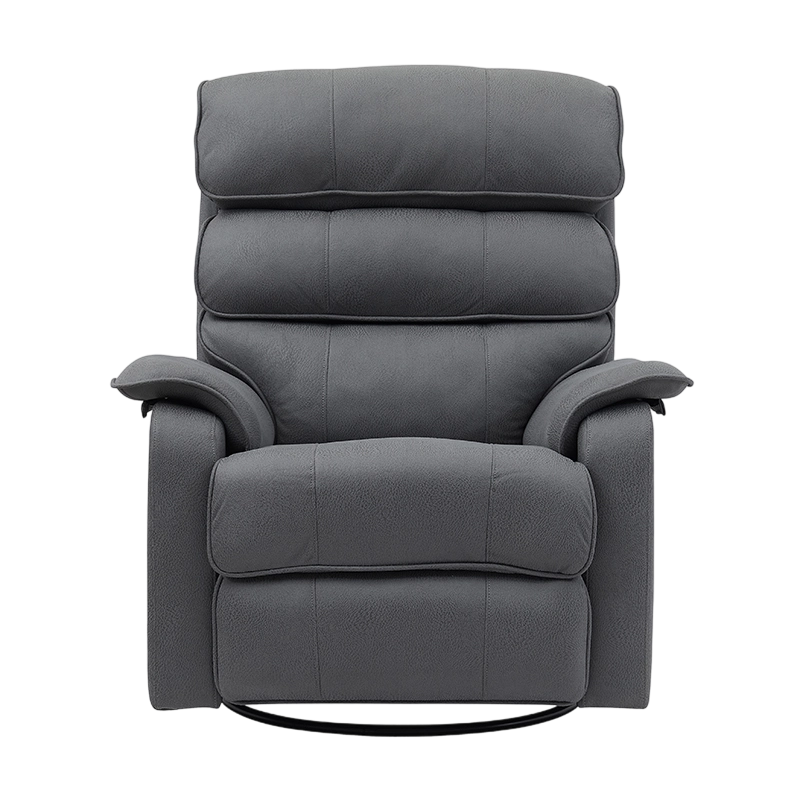
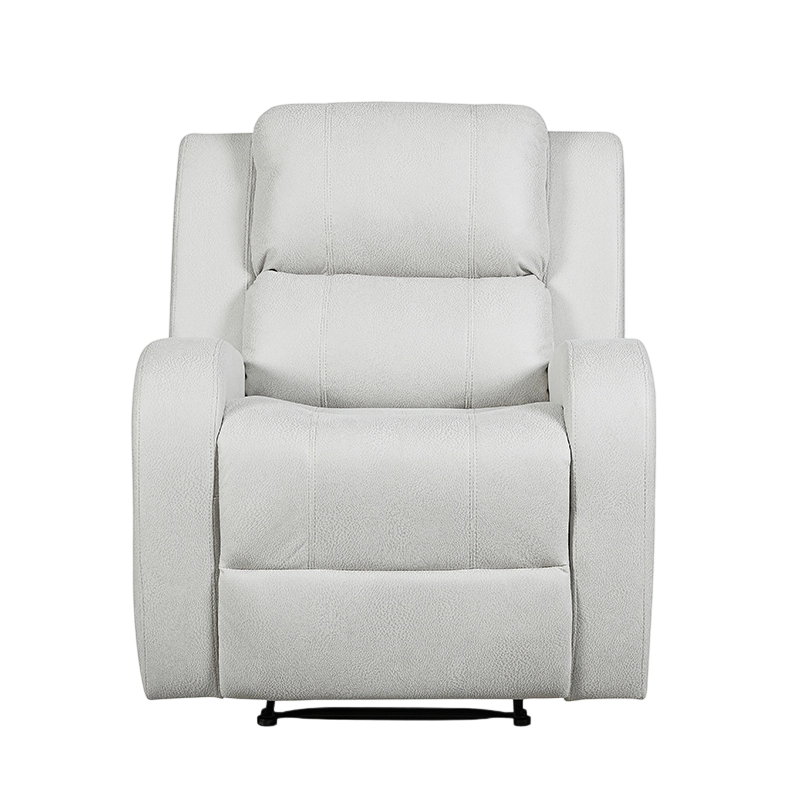
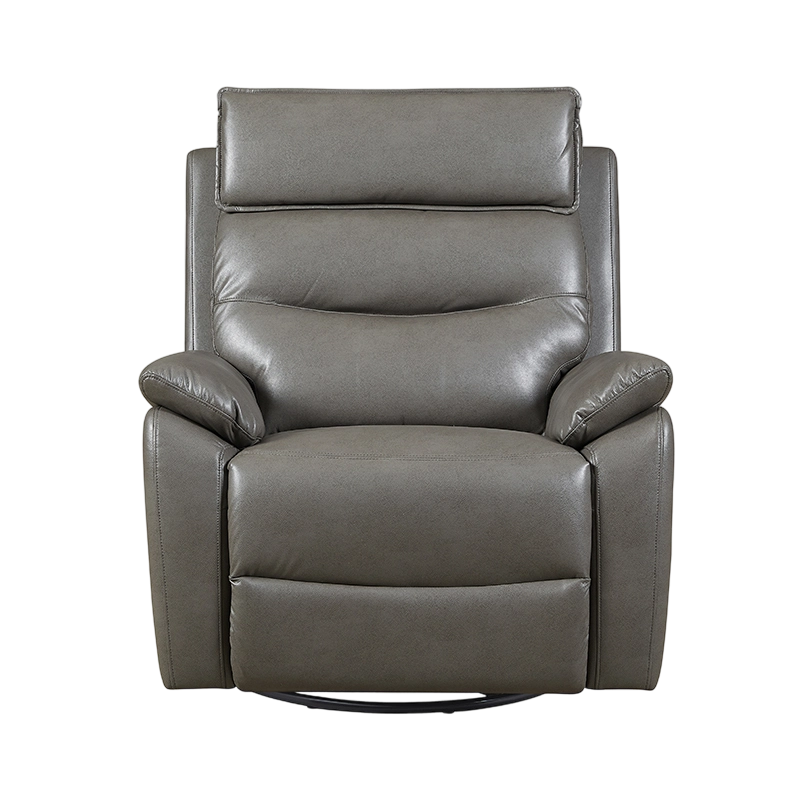
A well-designed recliner chair is more than a seat. It is a personal comfort zone, a functional living-room accent, and a long-term furniture investment that must combine structure, softness, durability, and ease of use. The Classic and Traditional Manual Recliner Chair Single Sofa is created for homes, apartments, hospitality spaces, lounges, and relaxation corners where comfort and dependable performance are equally important. With a transitional appearance, a neutral gray tone, plush cushioning, pillowtop arms, and a smooth manual reclining mechanism, this single-seat recliner provides an inviting experience for daily rest while remaining versatile enough to coordinate with many interior styles.
This article introduces the product in detail, explains its functional and aesthetic advantages, compares its strengths with typical competing recliners, and highlights the manufacturing capabilities behind it. It also presents the production philosophy and supply-chain advantages of Anji Xuanbo Household Co., Ltd., a furniture manufacturer located in Anji County, Huzhou City, Zhejiang Province, China, an area widely recognized for its chair industry. The result is a recliner chair that reflects thoughtful design, practical engineering, controlled material sourcing, and consistent quality inspection.
Classic and Traditional Manual Recliner Chair Single Sofa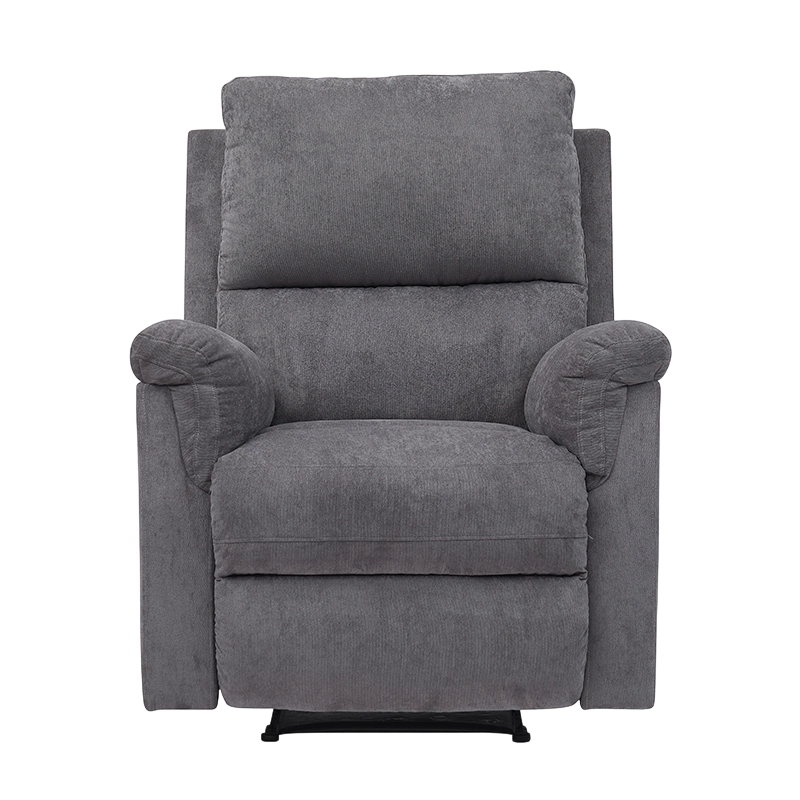
Product Overview: A Single Recliner Built for Everyday Comfort
The Classic and Traditional Manual Recliner Chair Single Sofa is a one-piece reclining chair designed for users who want the comfort of a functional sofa with the convenience of an individual seat. It measures approximately 33.1 inches wide, 35.4 inches deep, and 40.6 inches high, making it compact enough for many living rooms while still offering a generous seating experience. Its weight capacity is approximately 350 pounds, supported by a pine wood and plywood frame construction that gives the chair a stable foundation.
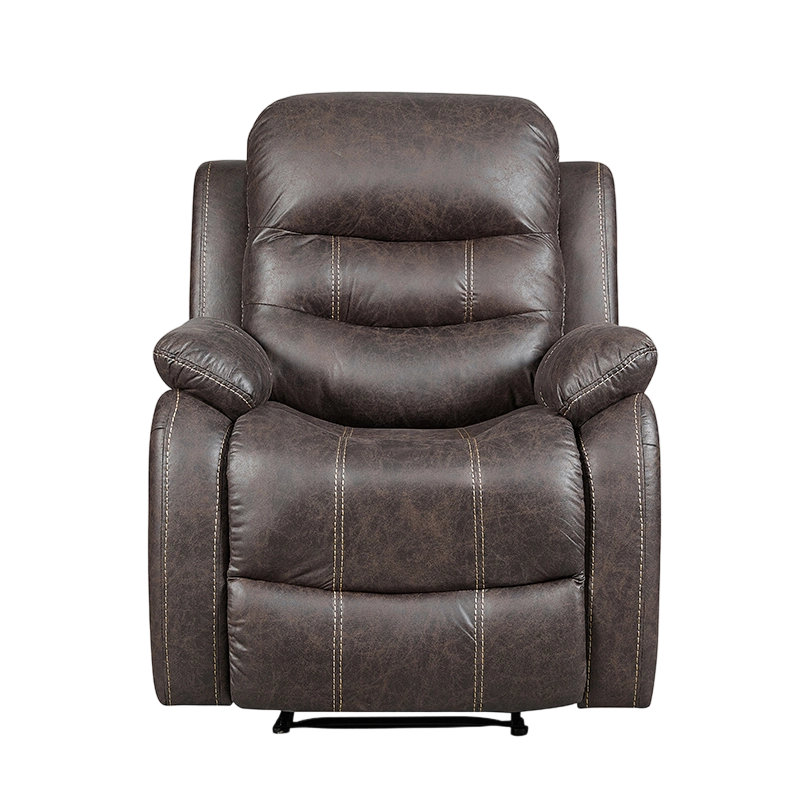
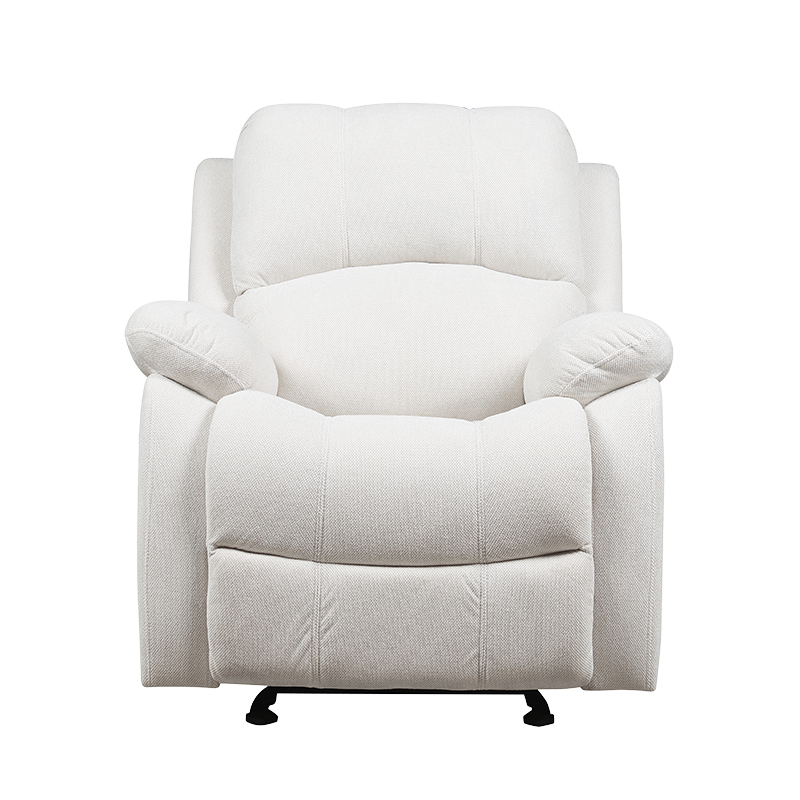
The chair is upholstered in soft microfiber fabric. The standard color is gray, a practical and refined neutral that fits modern, transitional, and classic interiors. Custom colors are also supported, allowing buyers, retailers, and project customers to tailor the chair to different market preferences. Gray is especially useful because it does not dominate a room visually; instead, it provides a calm base that can be paired with warm wood furniture, metal accents, patterned rugs, minimalist décor, or bolder cushions.
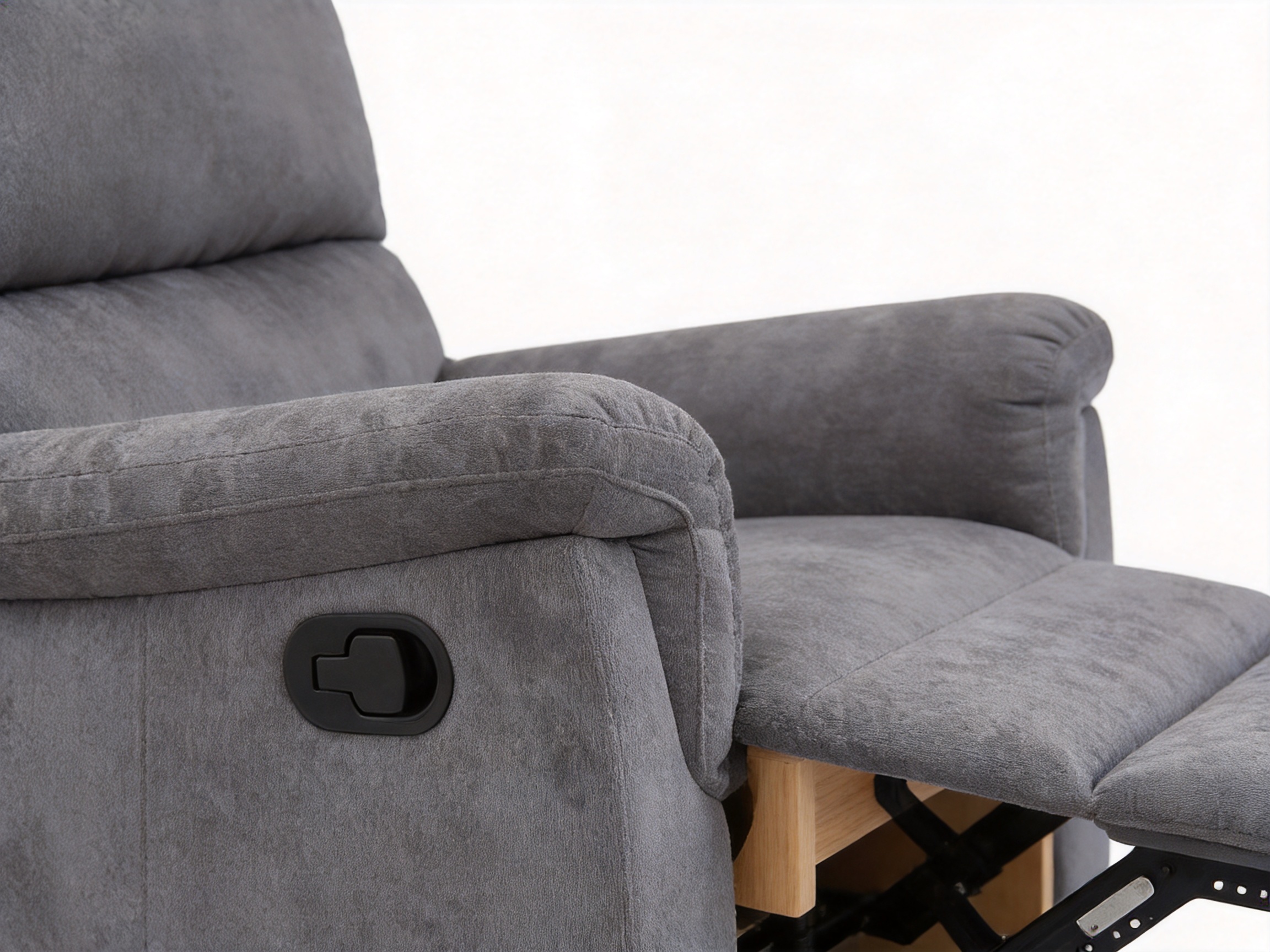
The recliner uses a manual pull-handle mechanism positioned on the side of the chair. By pulling the side-mounted tab, the user can shift from a seated position to a reclined position without needing electrical power. This makes the chair suitable for homes where users prefer simple operation, lower maintenance, and freedom from power outlets. The multi-positional single-seat recliner function gives the user flexibility for reading, watching television, resting after work, or simply stretching the legs.
Comfort is supported by plush high-density foam and pocket coil construction. The contoured seat is designed to support the body, while the pillowtop arms create a soft resting place for the forearms and shoulders. The product information also notes the use of Dream Coils® for full-body support, emphasizing a balanced seating structure that resists the flat, unsupportive feeling found in lower-quality chairs. In daily use, this combination of cushioning and internal support helps the recliner feel both soft and stable.
Design Language: Classic, Traditional, and Transitional
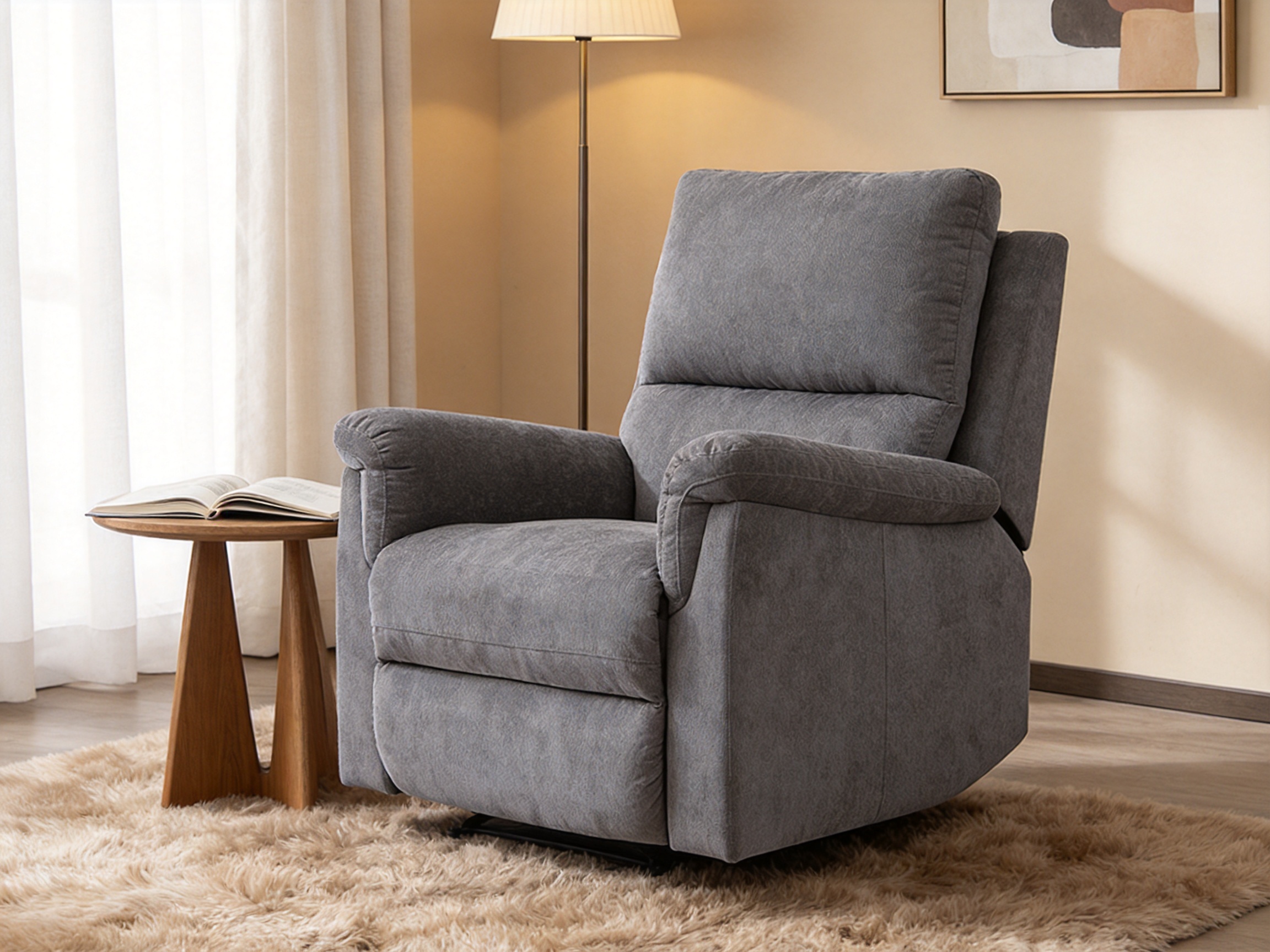
One of the chair’s strongest advantages is its ability to blend into different decorative environments. Many recliners on the market are either highly modern, with angular lines and slim profiles, or overly bulky, with exaggerated shapes that can dominate a room. This recliner takes a more balanced approach. Its classic and traditional elements are visible in the rounded cushioning, plush arm design, and comfortable proportions, while its neutral color and simple silhouette help it fit transitional living rooms.
Transitional furniture is popular because it combines the warmth of traditional design with the clean adaptability of contemporary interiors. This chair reflects that idea. It does not rely on excessive ornamentation, yet it does not look cold or purely utilitarian. The form is friendly, soft, and familiar. It can be placed next to a fabric sofa, beside a fireplace, near a window, in a media room, or in a private bedroom corner. Its single-seat format also makes it easier to arrange than a large reclining sofa.
In retail environments, this design flexibility is valuable. A chair that works only in one specific décor style may appeal to a narrow buyer group, while a balanced recliner can serve many customers. For distributors and furniture stores, the product can be positioned as a family comfort chair, a senior-friendly relaxation seat, a media-room recliner, or an affordable upgrade for living-room seating. Its understated design gives retailers more freedom in merchandising and display.
Manual Reclining Function: Simple, Smooth, and Practical
The manual reclining system is central to the product’s value. Power recliners have their own benefits, but they also require motors, wiring, transformers, switches, and access to electricity. These components can increase cost, add maintenance needs, and limit placement options. A manual recliner, by contrast, provides straightforward comfort through mechanical operation. The user simply pulls the side handle to activate the reclining motion.
For many households, this simplicity is a major advantage. The chair can be placed wherever it fits best, without worrying about wall outlets or extension cords. It is also easier to move during cleaning, rearranging, or relocation. Because the mechanism does not depend on electrical parts, the recliner can be more reliable in environments where users want long-lasting daily function with minimal technical complexity.
The side-mounted pull tab is designed for smooth and effortless recline. This detail matters because some manual chairs feel heavy, stiff, or awkward to operate. A recliner should encourage relaxation, not require forceful handling. The mechanism should allow a natural transition from upright seating to a reclined position, and it should support the user safely once extended. When paired with a stable frame and correctly aligned internal parts, the manual system provides a comfortable and dependable motion experience.
The product also provides guidance for retracting the footrest correctly. The recommended method is to sit forward, lean forward, and use the heels to press against the middle of the footrest. This method helps users close the footrest efficiently and reduces unnecessary strain. Including such guidance reflects attention to practical user experience. It also helps reduce misuse, which is an important factor in extending product life.
Comfort Structure: High-Density Foam, Pocket Coils, and Full-Body Support
Comfort in a recliner is not determined by surface softness alone. A chair may feel pleasant for a few minutes but become uncomfortable during longer sitting if the internal support is weak. This recliner is built with plush high-density foam and pocket coil construction, creating a layered comfort system. The foam provides cushioning and shape, while the pocket coils help distribute body weight and provide responsive support.
High-density foam is important because it resists quick compression better than low-density materials. In a chair used every day, foam quality affects long-term appearance and comfort. Lower-quality foam can flatten, sag, or lose resilience, causing the seat to feel uneven. By using plush high-density foam, the chair is designed to maintain a more comfortable seating surface over repeated use.
Pocket coil construction adds another layer of performance. Individual coils can respond to pressure independently, supporting different parts of the body more naturally. This can improve comfort for users of varying weights and sitting habits. The product’s solid structure and Dream Coils® support are intended to provide full-body comfort, especially when the user shifts from upright sitting to a reclined position.
The contoured seat structure further improves the experience. A flat seat may not support the thighs, hips, and lower back evenly. A contoured design helps guide the user into a relaxed position and reduces the sense of sliding or imbalance. When combined with the pillowtop arms, the chair provides a complete comfort environment: the back can rest, the legs can extend, the arms can relax, and the body can settle into a stable supported posture.
Soft Microfiber Upholstery: Easy-Care Comfort for Daily Living
The upholstery is soft microfiber fabric, selected for its pleasant hand feel and practical cleaning characteristics. Microfiber is widely appreciated in home furniture because it can offer a smooth, cozy surface while being relatively easy to maintain compared with some more delicate fabrics. For a recliner, fabric choice is especially important because the user’s body is in frequent contact with the seat, arms, backrest, and footrest.
The gray microfiber finish gives the chair a modern yet comfortable appearance. It is less visually heavy than very dark colors and more forgiving than very light colors. In many homes, gray serves as a bridge between different décor elements. It can pair with white walls, beige carpets, black tables, wooden cabinets, metal lamps, or colorful accessories. For commercial buyers, a neutral gray recliner is also easier to sell across different customer segments.
Fabric care instructions recommend cleaning with dry cleaning solvent only, avoiding saturation with water, and brushing pile fabrics when needed to restore appearance. These instructions are important because proper care helps preserve the upholstery surface. Over-wetting fabric can affect texture, internal padding, and drying performance. Dry cleaning solvent and gentle maintenance can keep the chair looking better over time.
Custom color support is another advantage. Furniture markets vary widely by region. North American buyers may prefer gray, brown, beige, or charcoal tones. European buyers may look for subtle neutrals or contemporary shades. Middle Eastern markets may prefer richer colors or fabrics that match larger living-room sets. By supporting custom colors, the manufacturer can serve diverse markets and private-label needs.
Frame Construction: Pine Wood and Plywood for Strength and Stability
A recliner must be more than soft. It must be structurally reliable. The frame carries the user’s weight, supports the reclining mechanism, and maintains the chair’s shape through repeated movement. This product uses pine wood and plywood frame construction. Pine provides workable strength and is commonly used in upholstered furniture frames, while plywood offers dimensional stability and layered resistance to splitting when properly selected and processed.
The chair’s listed weight capacity of 350 pounds indicates that the frame and support system are designed for practical household use. In a recliner, the frame faces dynamic forces because the user does not merely sit still. The user leans back, extends the footrest, shifts body weight, presses against the arms, and closes the mechanism. A solid frame helps the chair remain stable through these movements.
Compared with competitors that rely on weaker board materials or inconsistent frame assembly, a controlled wood and plywood structure can improve durability. The manufacturing strength behind this product is also significant. Anji Xuanbo Household Co., Ltd. has its own wooden frame factory, which supports better control over frame cost, frame supply, production timing, and quality consistency. Instead of depending entirely on outside frame suppliers, the company can manage important structural components directly.
This vertical control is a competitive advantage. When a manufacturer controls more of the production chain, it can respond faster to customization requests, adjust specifications more efficiently, and detect quality problems earlier. For buyers, this can mean more stable orders, more consistent product batches, and a better balance between price and performance.
Product Specifications at a Glance
| Feature | Specification | Customer Benefit |
|---|---|---|
| Product Type | Manual recliner chair, single sofa | Ideal for individual comfort in living rooms, lounges, bedrooms, and media spaces |
| Standard Color | Gray, with custom colors supported | Neutral style with flexibility for different market preferences |
| Frame | Pine wood and plywood construction | Stable support and dependable structural performance |
| Comfort System | High-density foam and pocket coils | Soft yet supportive seating for longer relaxation |
| Reclining Mechanism | Manual side pull handle | Easy operation without electricity or complex maintenance |
| Dimensions | 33.1W x 35.4D x 40.6H inches | Comfortable seating size with practical room placement |
| Weight Capacity | Approximately 350 pounds | Reliable support for a broad range of users |
| Upholstery | Soft microfiber fabric | Comfortable touch and practical cleaning characteristics |
Advantages Over Common Competing Recliners
The recliner market includes many products that appear similar at first glance. However, meaningful differences become clear when comparing structure, comfort materials, operational convenience, customization capability, manufacturing control, and quality assurance. This chair has several advantages that can make it a stronger choice for buyers seeking dependable value.
Balanced Comfort Instead of Surface Softness Only
Some recliners are designed to feel soft in a showroom but lack internal support. After months of use, the cushion may collapse or the seat may become uneven. The combination of high-density foam and pocket coil support gives this chair a stronger comfort foundation. It is not only plush; it is designed to support the body through repeated seating and reclining.
Manual Reliability Instead of Unnecessary Complexity
Electric recliners can be attractive, but they are not always necessary. Motors and electronics can increase retail price and maintenance risk. This chair’s manual pull-handle system provides reclining comfort in a simpler way. For many families, landlords, hospitality operators, and budget-conscious buyers, that simplicity is a practical advantage.
Neutral Styling Instead of Overly Trend-Dependent Design
Furniture trends change, but a classic transitional recliner remains useful. The chair’s gray microfiber upholstery and rounded comfort shape allow it to fit into many rooms. Competitors with extreme styling may become outdated quickly or appeal only to limited customer groups. This recliner’s visual restraint helps increase long-term usability.
Controlled Manufacturing Instead of Fragmented Sourcing
A major difference is the manufacturing background. Anji Xuanbo Household Co., Ltd. operates with full-chain cost and capacity control supported by its own wooden frame factory and sponge processing plant. This allows the company to control essential materials more directly than manufacturers that rely heavily on multiple outside suppliers. Better control can lead to more stable production, more consistent quality, and stronger customization capability.
Custom Color Flexibility Instead of Fixed Inventory Limitations
Many low-cost recliners are available only in one or two standard finishes. This chair supports custom colors, making it more suitable for wholesalers, retailers, and project buyers who need market-specific choices. Customization helps businesses differentiate their product lines and match regional preferences.
Manufacturing Strength Behind the Recliner
Anji Xuanbo Household Co., Ltd. was established in 2021 and is located in Anji County, Huzhou City, Zhejiang Province, China. Anji is known worldwide as the Capital of Chair Industry, giving the company access to a mature furniture production ecosystem, experienced workers, material suppliers, hardware resources, and export support. The company specializes in high-quality sofas and chairs, including functional sofas, fixed sofas, corner sofas, lounge chairs, recliner sofas, love seats, and leisure chairs.
The factory covers approximately 8,000 square meters and has more than 100 employees. This scale allows the company to combine flexible production with organized capacity. It is large enough to handle export orders and customized projects, while still maintaining the agility needed for design improvement and market response. The company integrates research and development, industrial design, large-scale manufacturing, independent marketing, and technical services.
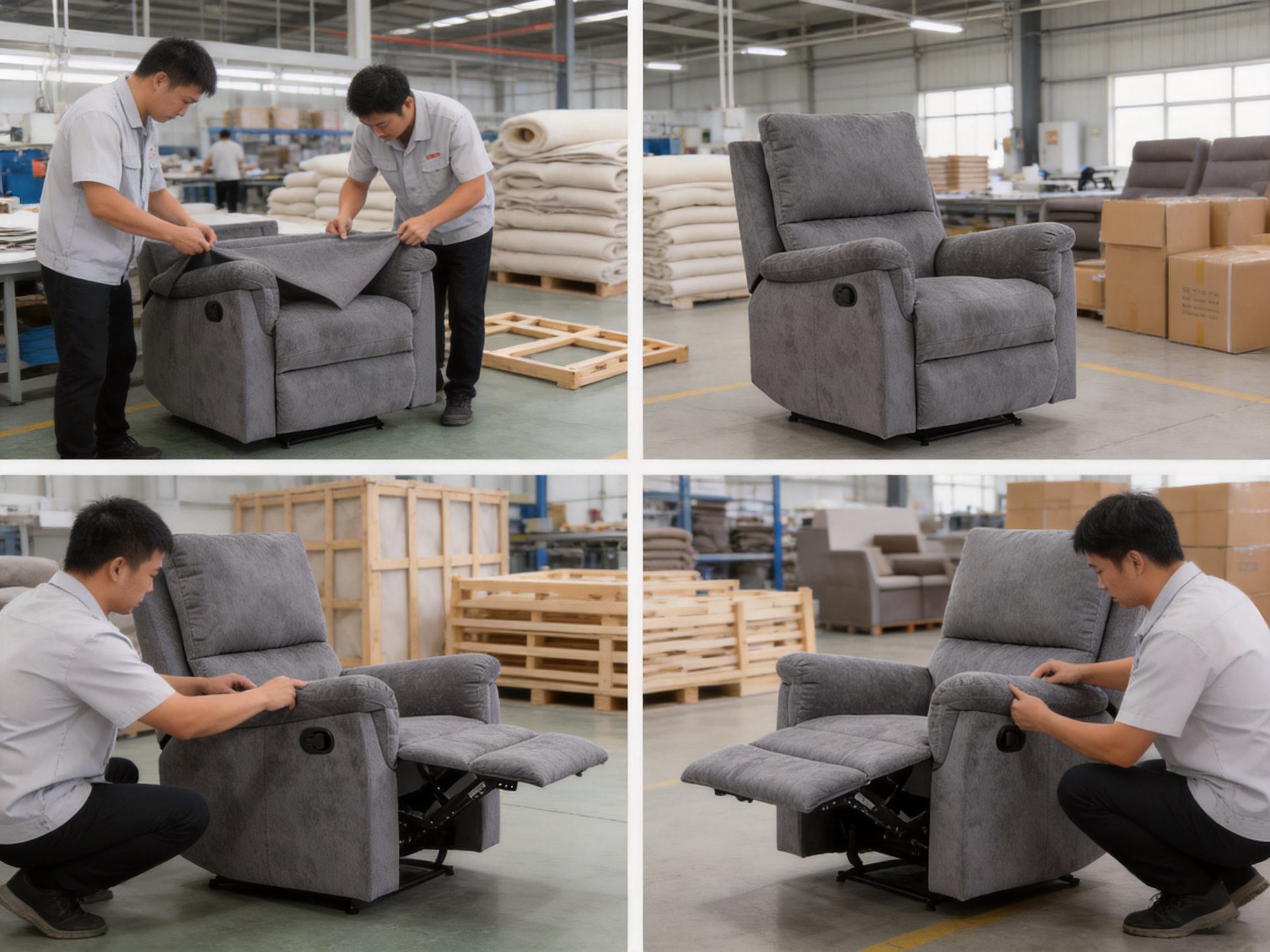
Its manufacturing process begins with product planning and structural design. A recliner is not simply an upholstered shell; it requires coordination among the frame, mechanism, foam, springs, fabric, stitching, padding, and packaging. Each component affects the others. For example, if the frame angle is not correct, the mechanism may not operate smoothly. If the foam thickness is inconsistent, the upholstery may wrinkle. If the fabric cutting is inaccurate, seams may not align. Advanced manufacturing requires attention to all these connections.
The company’s own wooden frame factory strengthens the early stages of production. Frame components can be cut, shaped, assembled, and checked according to product specifications. Plywood and pine elements can be prepared to support the chair’s stress points, including the seat base, arm structure, backrest, and mechanism mounting positions. Because recliners involve movement, frame accuracy is especially important. Small errors can cause noise, uneven reclining, or premature wear.
The company’s sponge processing capability is another important advantage. Foam quality and shaping directly influence comfort. By controlling sponge processing internally, the company can better manage density, thickness, cutting accuracy, and cushion consistency. This supports stable seating comfort across production batches. It also helps with customization, since different markets may request different softness levels, cushion shapes, or upholstery appearances.
Assembly is performed through coordinated production steps. The frame is prepared, support systems are installed, foam and padding are applied, fabric is cut and sewn, the reclining mechanism is fitted, and the final upholstery is secured. Skilled workers are essential because upholstered furniture combines industrial production with hand craftsmanship. The smoothness of the fabric, the alignment of seams, the feel of the arms, and the stability of the finished chair all depend on careful workmanship.
Quality Inspection: Multi-Stage Control for Reliable Output
Quality control is one of the most important strengths for export furniture. A recliner must arrive safely, assemble correctly if required, function smoothly, and meet customer expectations. Anji Xuanbo Household Co., Ltd. emphasizes strict multi-stage quality inspection. This approach reduces the risk of defects reaching buyers and supports long-term cooperation with importers, wholesalers, and retailers.
Inspection begins with materials. Wood components, plywood, foam, fabric, springs, and hardware must meet internal standards before they are used in production. Material inspection helps prevent problems that cannot be easily corrected later. For example, low-quality foam may pass through sewing and assembly but fail after customer use. Weak frame materials may remain hidden under upholstery until the recliner begins to loosen. Checking materials early is therefore essential.
During production, process inspections help verify that each stage is completed correctly. Frame dimensions, mechanism installation, foam placement, fabric cutting, sewing quality, and upholstery tension can all be monitored. If an issue is found during production, it can be corrected before the chair is finished. This reduces waste and improves overall consistency.
Final inspection focuses on the completed product. The chair can be checked for appearance, reclining operation, stability, fabric condition, seam quality, dimensions, packaging, and labeling requirements. The manual pull handle should operate smoothly, the footrest should extend and retract properly, the chair should sit level, and the upholstery should be clean and well fitted. Packaging inspection is also important because export furniture must withstand transportation handling.
Multi-stage inspection gives buyers more confidence. In international trade, replacing defective furniture can be costly and time-consuming. A manufacturer that invests in quality control protects both its own reputation and the buyer’s business. Reliable quality also reduces after-sales complaints and supports repeat orders.
Customization Capability for Global Markets
Customization is increasingly important in the furniture industry. Retailers do not always want generic products that look identical to competitors’ offerings. Importers may need different colors, fabrics, packaging styles, dimensions, or product combinations to suit their sales channels. Project buyers may require specific design adjustments to match apartments, hotels, senior living facilities, or furnished rental properties.
This recliner already supports custom colors, and the company’s broader manufacturing strengths allow additional customization discussions. Because it integrates design, production, frame processing, sponge processing, and technical services, the company can work with customers to develop market-oriented solutions. Customization may include upholstery selection, color palettes, cushioning preferences, packaging requirements, label arrangements, and coordinated product collections.
For example, a retailer focused on compact urban apartments may prefer neutral microfiber and efficient packaging. A distributor serving family furniture stores may request warmer fabric tones and matching sofa models. A hospitality buyer may prioritize durability, stain resistance, and consistent batch appearance. A private-label brand may need product names, cartons, and specifications adapted to its own catalog. A manufacturer with strong customization capability can support these different needs more effectively.
Customization also helps buyers respond to regional trends. North America, Europe, and the Middle East may have different expectations regarding seat softness, fabric texture, color, and furniture proportions. Export success depends on understanding these differences and adjusting products accordingly. Anji Xuanbo Household Co., Ltd. actively expands global markets and exports to these regions, giving it experience with diverse buyer requirements.
Logistics and Export Advantages
Manufacturing quality is only part of the value equation. Export logistics also matter. Furniture is bulky, and shipping efficiency affects total landed cost. The company benefits from convenient export logistics near Ningbo Beilun Port, one of China’s important international shipping hubs. Proximity to a major port can support more efficient container loading, scheduling, and export coordination.
For international buyers, logistics reliability can affect inventory planning and seasonal sales. Delays in furniture shipments may cause stock shortages, missed promotions, and customer dissatisfaction. A manufacturer familiar with export processes and located near strong logistics infrastructure can help reduce these risks. Good packaging design, container utilization, documentation support, and communication all contribute to smoother transactions.
The company’s export experience across North America, Europe, the Middle East, and other regions is also valuable. Different markets may require different compliance expectations, labeling practices, carton standards, and documentation. A supplier that understands international market standards is easier to work with than a factory focused only on domestic sales. Compliance awareness helps protect buyers and supports long-term cooperation.
Why the Recliner Works for Modern Living
Modern homes often need furniture that is comfortable, adaptable, and space-conscious. Large sectional sofas can be excellent for family rooms, but not every space can accommodate them. A single recliner provides personal comfort without requiring a complete room redesign. It can be used as a companion piece to a sofa, a reading chair in a bedroom, a relaxation seat in a study, or a comfortable chair for elderly family members.
The chair’s dimensions offer a practical balance. At 33.1 inches wide, it provides a comfortable individual seat without being excessively broad. At 35.4 inches deep and 40.6 inches high, it has enough body presence to feel supportive while still fitting into common residential layouts. The recline function adds versatility, allowing the user to shift posture during different activities.
The manual mechanism makes it especially useful in flexible spaces. Users can place it where it looks best rather than where an outlet is available. In apartments or rental properties, this can be a major advantage. In family homes, it avoids exposed cords and simplifies cleaning around the chair. In commercial settings such as lounges or waiting areas, manual operation reduces electrical maintenance concerns.
The microfiber upholstery further supports daily use. It offers a soft touch that encourages relaxation, while the care instructions provide clear maintenance guidance. Users can preserve appearance by avoiding water saturation and using appropriate cleaning methods. For households with frequent use, easy-care materials are an important purchasing factor.
Ideal Applications
Living Rooms
The recliner can serve as a main relaxation chair in a family living room. Its gray tone pairs well with common sofa colors, wooden coffee tables, and entertainment centers. The reclining function makes it suitable for television viewing, conversation, or afternoon rest.
Bedrooms
In a bedroom, the chair can create a private reading or resting corner. Its single-seat size is easier to place than a full sofa, while the high back and reclining footrest provide more comfort than a standard accent chair.
Media Rooms
The manual recliner is a natural fit for media rooms. Users can lean back and stretch their legs during movies, sports, or gaming. Because it does not require power, multiple chairs can be arranged without complicated electrical planning.
Senior-Friendly Spaces
Many older users appreciate supportive seating with armrests and a reclining function. The pillowtop arms provide softness, and the manual handle gives direct control. The recommended footrest retracting method helps users operate the chair correctly and safely.
Retail and Wholesale Programs
For furniture retailers and wholesalers, the chair offers broad market appeal. It combines a neutral color, practical size, manual reliability, and customizable options. It can be sold as an individual comfort chair or as part of a larger upholstered furniture collection.
Care and Maintenance Guidance
Proper care helps extend the chair’s usable life and preserve its appearance. The microfiber fabric should be cleaned with dry cleaning solvent only. Users should avoid saturating the fabric with water, as excessive moisture may affect the upholstery, padding, or internal materials. If the fabric pile becomes compressed or uneven, brushing may help restore its appearance.
Users should also operate the recliner according to recommended methods. To retract the footrest, sit forward, lean forward, and press the heels against the middle of the footrest. This approach helps close the mechanism smoothly and reduces unnecessary force on one side. Users should avoid standing on the footrest, jumping into the chair, or forcing the handle if an obstruction is present.
Regular visual checks are also helpful. If crumbs, dust, or small objects fall into moving areas, they should be removed carefully. The chair should be placed on a reasonably level floor. Leaving adequate clearance behind and in front of the recliner ensures smooth movement and prevents contact damage with walls or furniture.
Business Value for Importers, Retailers, and Project Buyers
For business buyers, a recliner must meet both customer expectations and commercial requirements. It should be attractive, comfortable, and reliable, but it should also be practical to source, ship, promote, and support. This product offers a strong value proposition because it combines consumer-friendly features with manufacturer-level production advantages.
Retailers can market the chair as a classic manual recliner with plush comfort and neutral styling. The product’s simple operation is easy for sales staff to demonstrate. Its compact single-seat format can be displayed in a showroom without consuming excessive floor space. The gray fabric can coordinate with many other products, making it useful for visual merchandising.
Importers can benefit from the manufacturer’s export experience, customization support, and production control. The factory’s approximately 8,000-square-meter scale and workforce of more than 100 employees provide a foundation for stable supply. Its own wooden frame and sponge processing capabilities help manage cost and consistency. Strict quality inspection supports lower risk in international orders.
Project buyers can use the chair in furnished apartments, rental properties, lounges, and senior-friendly environments. Manual operation reduces electrical complexity, and neutral upholstery makes it easier to match different interiors. The product’s 350-pound weight capacity broadens its user suitability, while the supportive construction helps improve user satisfaction.
Company Strength: Quality as a Mission
Anji Xuanbo Household Co., Ltd. follows a development philosophy centered on quality, service, honesty, pragmatism, and continuous improvement. The company aims to become a modern enterprise focused on quality and customer satisfaction. These values are reflected in its approach to product development and manufacturing control.
In the furniture industry, long-term cooperation depends on trust. Buyers need suppliers who can maintain quality, communicate clearly, and deliver products that match agreed specifications. The company’s integrated capabilities support this goal. Research and development help create market-ready designs. Industrial design improves product appearance and function. Manufacturing strength supports order fulfillment. Independent marketing and technical services help connect customer needs with production solutions.
The company’s product range also supports collection development. Since it manufactures functional sofas, fixed sofas, corner sofas, lounge chairs, recliner sofas, love seats, and leisure chairs, buyers can develop coordinated furniture programs from a single supplier. A manual recliner chair can be part of a wider assortment that includes matching sofas, compact seating, or lounge products.
Owning key production resources, including a wooden frame factory and sponge processing plant, gives the company full-chain cost and capacity control. This is a significant advantage in a market where material cost changes and supply delays can affect delivery. Internal control improves flexibility and helps maintain competitiveness without sacrificing essential product quality.
Q&A Section
Q1: What type of customer is this manual recliner chair best suited for?
It is suitable for customers who want a comfortable single-seat recliner with classic styling, soft upholstery, supportive cushioning, and simple manual operation. It works well for living rooms, bedrooms, media rooms, lounges, and senior-friendly spaces.
Q2: Does the chair require electricity?
No. The chair uses a manual side pull-handle mechanism, so it does not require a power outlet, motor, or electrical wiring. This makes placement easier and reduces maintenance complexity.
Q3: What materials support the chair’s comfort?
The chair uses plush high-density foam and pocket coil construction. This combination provides softness, resilience, and body support. The contoured seat and pillowtop arms further improve comfort during sitting and reclining.
Q4: What is the standard color, and can it be customized?
The standard color is gray. Custom colors are supported, making the chair suitable for different markets, retail programs, and project requirements.
Q5: What are the chair’s dimensions?
The chair measures approximately 33.1 inches wide, 35.4 inches deep, and 40.6 inches high. These dimensions provide comfortable seating while remaining practical for many residential spaces.
Q6: What is the weight capacity?
The listed weight capacity is approximately 350 pounds, supported by a pine wood and plywood frame structure.
Q7: How should the footrest be retracted?
The recommended method is to sit forward, lean forward, and press the heels against the middle of the footrest. This helps retract the footrest smoothly and reduces unnecessary strain on the mechanism.
Q8: How should the microfiber fabric be cleaned?
The fabric should be cleaned with dry cleaning solvent only. It should not be saturated with water. If the pile fabric needs refreshing, brushing may help restore its appearance.
Q9: What makes this recliner competitive compared with similar products?
Its advantages include a balanced comfort system, manual reliability, neutral transitional styling, custom color support, a strong pine wood and plywood frame, and manufacturing support from a company with its own wooden frame factory and sponge processing plant.
Q10: Why is the manufacturer’s location important?
The manufacturer is located in Anji County, Huzhou City, Zhejiang Province, China, a region known for the chair industry. This location provides access to industry resources, skilled labor, supplier networks, and convenient export logistics near Ningbo Beilun Port.
Conclusion
The Classic and Traditional Manual Recliner Chair Single Sofa combines comfort, function, and adaptable style in a practical single-seat format. Its gray microfiber upholstery, pillowtop arms, contoured seat, high-density foam, pocket coil support, and manual pull-handle reclining system create a chair that is inviting, easy to use, and suitable for everyday relaxation. With a stable pine wood and plywood frame and a 350-pound weight capacity, it is designed to offer dependable support as well as softness.
Beyond the product itself, the manufacturing strength behind it adds significant value. Anji Xuanbo Household Co., Ltd. brings together research and development, design, large-scale manufacturing, customization capability, multi-stage quality inspection, and export experience. Its own wooden frame factory and sponge processing plant provide stronger control over cost, capacity, and consistency. Its location near major export logistics further supports international buyers.
For consumers, the chair offers a comfortable place to rest. For retailers, it offers broad market appeal. For importers and project buyers, it offers a dependable sourcing option backed by a manufacturer with integrated capabilities and a quality-focused philosophy. In a competitive recliner market, this product stands out by balancing traditional comfort, modern practicality, and manufacturing reliability.
References
Furniture Industry Research Association. Upholstered Furniture Construction and Durability Standards. Industry Technical Bulletin.
International Home Furnishings Materials Guide. Foam Density, Pocket Coil Support, and Seating Comfort Principles. Annual Reference Edition.
Global Upholstery Care Handbook. Cleaning Methods for Microfiber and Pile Fabrics. Professional Furniture Care Series.
Export Furniture Manufacturing Review. Quality Control Practices for Recliners and Motion Furniture. Manufacturing Management Report.
Residential Seating Design Manual. Ergonomics, Frame Engineering, and Comfort Systems in Reclining Chairs. Design Reference Series.
Product: Classic and Traditional Manual Recliner Chair Single Sofa

LET'S TALK

Bai Shuiwan Industrial Park, Tian Huangping Town, Anji County, Huzhou City, Zhejiang Province, China
More About Us 
-
+86 18257273741
-
[email protected]
CONTACT US
Copyright © Anji Xuanbo Household Co., Ltd. All Rights Reserved.
Custom Modern Upholstered Sofa Manufacturers


